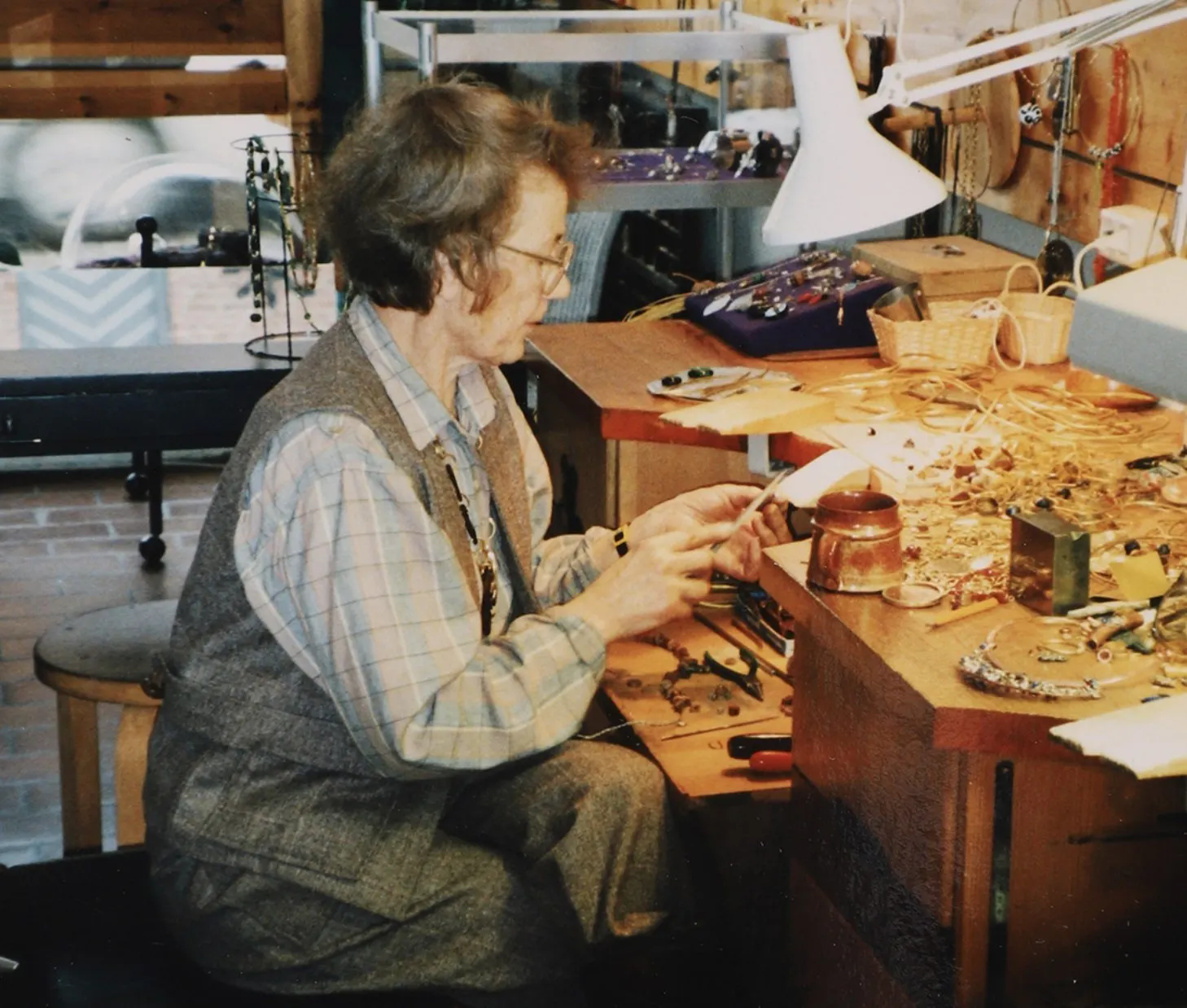
Celuk Village in Bali is renowned for its exquisite silver jewelry, showcasing the meticulous craftsmanship of its artisans. This page explores the contrasts between handmade and cast silver jewelry, highlighting the unique techniques used by Celuk artisans and essential export details for Bali Silver Export.
Understanding the Craftsmanship of Celuk Artisans
Celuk Village, located in the Sukawati District of Gianyar Regency, is the heart of Bali’s silver jewelry artistry. The village’s artisans are adept in crafting intricate 925 sterling silver pieces that exhibit a blend of traditional and contemporary styles. This craftsmanship is a cultural inheritance, passed down through generations, and has made Celuk a significant hub for both retail and mass export of silver jewelry. Celuk’s silver artisans are known for their dedication to quality, ensuring each piece meets a high standard of artistry.
One of Celuk’s distinctive techniques is ‘jawan,’ or granulation, where tiny silver granules are arranged in geometric or floral patterns. This process requires precision and a steady hand, traits honed over years of practice. Filigree work, another signature technique, involves twisting fine silver wires into lace-like patterns, which are then soldered onto a base to create intricate designs. These methods reflect a deep commitment to preserving traditional Balinese artistry while also catering to modern design sensibilities.
Handmade Silver Jewelry: A Labor of Love
Handmade silver jewelry from Celuk is the artisans’ skill and patience. Each piece begins as a concept, often inspired by nature or traditional Balinese motifs. The process involves sketching the design, selecting the appropriate silver, and then meticulously crafting the jewelry piece by piece. Techniques such as chiseling and engraving add texture and depth, further enhancing the jewelry’s aesthetic appeal.
The handmade process is labor-intensive, often taking several days to complete a single intricate piece. This labor of love ensures that each piece of jewelry is unique, with slight variations that are the hallmark of authentic handmade products. Despite the time and effort involved, the artisans of Celuk continue to embrace these traditional methods, valuing the satisfaction derived from creating something both beautiful and meaningful.
Cast Silver Jewelry: Blending Tradition with Modernity
While handmade pieces hold their charm, cast silver jewelry offers a different set of advantages. The lost-wax casting technique, also practiced by Celuk artisans, allows for the mass production of silver jewelry without compromising on quality. In this method, a wax model of the design is created, encased in a mold, and then melted away to make room for the molten silver. This process enables artisans to produce detailed designs in larger quantities, meeting the demand for both local markets and international export.
Though casting may seem more industrial, the Celuk artisans maintain a high standard, hand-finishing each piece to ensure it meets the same quality criteria as handmade jewelry. This blend of tradition and modern techniques allows for versatility, catering to customers who appreciate both the intricacies of handmade arts and the efficiencies of cast production. As a result, cast silver jewelry from Celuk can be produced at a lower cost, making it accessible to a broader audience while preserving the essence of Balinese design.
The Export Process for Celuk Silver Jewelry
Exporting silver jewelry from Celuk involves several regulatory steps to ensure compliance with Indonesian and international trade laws. The classifications for these exports fall under HS code 7113.11, which pertains to articles of jewelry made from silver. Before any shipment, exporters need to secure essential documents including the NPWP (tax identification number), NIB (business registration number from OSS), and PEB (export declaration to be filed with Indonesian Customs).
Involved authorities include the Direktorat Jenderal Bea dan Cukai (Customs), Kementerian Perdagangan (Trade Ministry), and BKPM/OSS (Indonesia’s Investment Coordinating Board/Online Single Submission system). Additionally, a commercial invoice, packing list, air waybill, and Certificate of Origin (utilizing Form D/AK/AJ for FTA destinations) are required. Notably, no special permit is needed to export finished silver jewelry, streamlining the process for businesses like Bali Silver Export.
Pricing and Market Considerations
For wholesale export, pricing is a critical factor. Based on industry estimates for 2026-2027, the cost of plain 925 sterling silver ranges from USD 1.20 to 3.00 per gram for simple designs, and USD 3 to 6 per gram for those featuring intricate granulation or filigree work. Individual pieces are priced accordingly, with simple rings and studs costing between USD 5 to 12, while more elaborate pendants or bracelets can range from USD 12 to 30. Pieces featuring complex granulation or filigree can fetch from USD 30 to 80 or more.
The market for gemstone-set silver jewelry is also robust, with an additional cost of USD 3 to 20 per piece depending on the type and quality of the gemstones used. The silver spot price, estimated to be around USD 0.70 to 1.00 per gram in 2026, influences these pricing structures. Exporters typically adhere to a minimum order quantity of 50 to 100 pieces per design for simpler items, and 25 to 50 for more complex or new creations, considering mold costs are often covered by the buyer.
Preserving Tradition in a Modern Market
Despite the growing global demand for efficiency and lower costs, Celuk artisans remain dedicated to preserving their traditional techniques. The art of silversmithing in Celuk is more than just a means of livelihood; it is a cultural heritage that binds the community. While modern techniques such as casting enable mass production, many artisans continue to prioritize quality and uniqueness, ensuring that each handmade piece carries the legacy of Balinese craftsmanship.
Efforts to promote these traditional methods are evident in local workshops and exhibitions, which aim to educate both locals and tourists about the village’s rich silversmithing history. By balancing traditional methods with modern practices, Bali Silver Export and the artisans of Celuk are able to offer a diverse range of products that appeal to both domestic and international markets, all while preserving the soul of Balinese silver artistry.
FAQs
Q? What is the difference between handmade and cast silver jewelry? A: Handmade silver jewelry is crafted piece by piece, often featuring unique design elements and slight variations, while cast silver jewelry is produced using molds for mass production, allowing for consistent and intricate designs.
Q? What are the main techniques used by Celuk artisans? A: Celuk artisans use techniques such as granulation, filigree, chiselling, engraving, and lost-wax casting, all of which require a high level of skill and craftsmanship to produce quality silver jewelry.
Q? What documents are required for exporting silver jewelry from Indonesia? A: Exporting requires a NPWP, NIB, PEB, commercial invoice, packing list, air waybill, and Certificate of Origin. These ensure compliance with trade regulations and smooth facilitation of the export process.
For wider arrangements, our partner baliluxurytransport can coordinate end to end.
See also: Balinese Granulation & Filigree: The ‘Jawan’ Technique Behind Bali Silver · Home.
Frequently Asked Questions
Is Bali silver handmade or machine made?
Bali silver from Celuk Village is predominantly handmade — granulation, filigree, chiseling, and engraving are all done by hand — and even lost-wax cast pieces are hand-finished and polished by artisans before they leave the workshop.
Is lost wax casting silver jewelry from Bali lower quality than fully handmade work?
No. Lost-wax casting in Bali uses the same 925 sterling silver and ends with hand-finishing; its real advantage is consistency — identical sizing and detail across a 50–100 piece wholesale run.
Why is handmade silver jewelry from Bali unique?
Each piece carries slight variations from techniques like jawan granulation and filigree that have been passed down through generations of Celuk silversmith families — differences machine production cannot replicate, which is why hand-worked pieces command USD 3–6 per gram versus USD 1.20–3.00 for simple designs.
Should wholesale buyers order handmade or cast silver jewelry?
Most successful buyers mix both: cast pieces for repeatable core lines with tight sizing tolerances, and handmade granulation or filigree pieces as premium hero items. A wholesale Bali silver jewelry supplier can supply both from one workshop, with sample sets of 10–20 pieces to compare finishes first.
Source Bali Silver Directly from Celuk Village
Bali Silver Export connects wholesale buyers with Celuk Village artisans — 925 sterling silver, factory-direct pricing, worldwide shipping. Chat with our export team on WhatsApp or email [email protected].