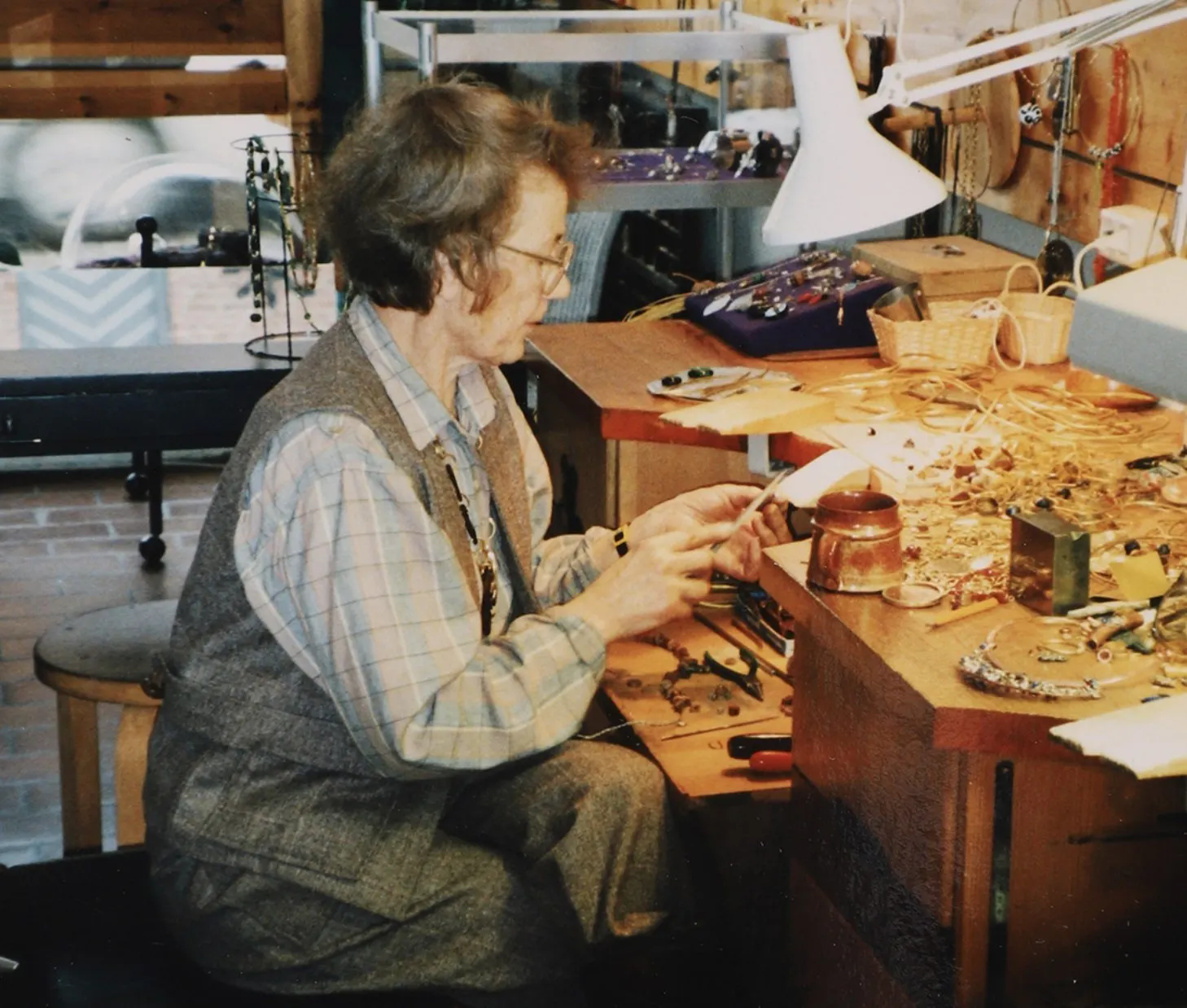
Celuk Village, located in the Sukawati District of Gianyar Regency, Bali, is renowned as the heart of Bali’s silver jewelry craft. It is especially famous for its handcrafted 925 sterling silver jewelry, which is produced for both local retail and international export. The village’s artisans are masters of traditional Balinese techniques such as granulation, filigree, engraving, and lost-wax casting.
The Craftsmanship of Celuk Village
Celuk Village stands as the rich heritage of Balinese silversmithing. The artisans here have honed their skills over generations, creating exquisite pieces that capture the essence of Balinese artistry. The jewelry produced in Celuk is primarily made of 925 sterling silver, a standard known for its durability and shine. This silver is crafted into various forms of jewelry, including necklaces, rings, earrings, and bracelets.
Key techniques used in the production of Celuk’s silver jewelry include granulation, known locally as ‘jawan’, which involves the meticulous placement of tiny silver granules into intricate geometric or floral patterns. The striking granulated designs can be seen adorning a variety of pieces, from simple studs to elaborate necklaces, each reflecting the cultural vibrancy of Bali. Filigree work, another signature technique, involves the delicate soldering of fine silver wire into lace-like patterns on a base. This method requires a steady hand and a keen eye, resulting in jewelry that is both lightweight and visually striking. These techniques, alongside chiseling, engraving, and lost-wax casting, contribute to the unique allure of Celuk’s silver creations, making them highly sought after by collectors worldwide.
Economic Significance and Export Market
The silver industry is a significant economic driver for Celuk Village, employing a large portion of the local population. The crafted silver jewelry is not only sold within Bali but is also a key export product under the HS code 7113.11, which covers articles of jewelry made of silver. Celuk’s jewelry finds markets across the globe, with buyers attracted to the quality and craftsmanship that define these pieces.
The export process of Celuk’s silver jewelry involves several regulatory steps. Key documents required include the NPWP (tax identification), NIB (business registration), and the PEB (export declaration). Additionally, a commercial invoice, packing list, air waybill, and a Certificate of Origin (Form D/AK/AJ for FTA destinations) are necessary, especially for countries with free trade agreements. These documents ensure the smooth international trade of Celuk’s silver products, contributing to the village’s economic sustainability. The international demand for Celuk’s silver jewelry highlights its economic importance, as the industry not only supports local livelihoods but also contributes significantly to Indonesia’s export revenues.
Proximity to Art Markets
Celuk Village’s strategic location near prominent art markets in Bali, such as the Ubud and Sukawati art markets, enhances its accessibility to tourists and buyers. These markets are known for their diverse range of Balinese art and craft, including the sought-after silver jewelry from Celuk.
The proximity of these markets provides an excellent platform for Celuk artisans to showcase their work to a broader audience. Visitors to the Ubud and Sukawati art markets can explore an array of Celuk-made jewelry, experiencing firsthand the craftsmanship that goes into each piece. This accessibility plays a vital role in promoting Celuk’s silver both domestically and internationally. The foot traffic generated by these markets significantly boosts sales, allowing artisans to interact with customers directly and receive immediate feedback on their creations.
Pricing and Market Dynamics
The pricing of Celuk’s silver jewelry varies based on design complexity and additional elements like gemstones. For 2026-2027, industry estimates suggest that plain 925 sterling silver jewelry is priced between USD 1.20-3.00 per gram for simpler designs, and USD 3-6 per gram for more intricate pieces featuring granulation or filigree. Individual items like simple rings or studs range from USD 5-12, medium pendants or bracelets cost between USD 12-30, while complex pieces can exceed USD 30-80 each.
The addition of gemstones further elevates the cost, adding an extra USD 3-20 per piece. The silver market is influenced by the global spot price, expected to be around USD 0.70-1.00 per gram in 2026. These economic variables guide the market dynamics, influencing pricing strategies and export negotiations. Wholesale export pricing is competitive, with typical export minimum order quantities (MOQ) being 50-100 pieces per design for simple rings or earrings, and 25-50 pieces for more complex or new designs. Buyers are often responsible for the costs associated with mold creation for new designs, a factor that can impact overall pricing strategies and negotiations.
Traditional Techniques and Innovations
Celuk’s artisans seamlessly blend traditional techniques with modern innovations, ensuring the continuity of their craft in contemporary markets. Granulation and filigree remain at the heart of their work, while chiseling, engraving, and lost-wax casting add depth and detail to each piece. These methods are not only traditional but are also a hallmark of the quality associated with Balinese silver.
Innovation in Celuk involves adapting these traditional techniques to suit modern tastes and fashion trends. Artisans experiment with new designs, incorporating modern motifs and materials, which keeps their offerings fresh and appealing to a global audience. This blend of tradition and modernity ensures that Celuk remains at the forefront of the silver jewelry industry. For instance, contemporary designs might incorporate mixed metals or unique gemstone settings, appealing to fashion-forward consumers while maintaining the cultural integrity of the traditional craftsmanship.
Regulatory Bodies and Export Requirements
The export of silver jewelry from Celuk involves coordination with several Indonesian regulatory bodies. The Direktorat Jenderal Bea dan Cukai (Customs) oversees the export documentation, ensuring compliance with international trade laws. The Kementerian Perdagangan (Ministry of Trade) and BKPM/OSS handle licensing and business registration, facilitating the legal framework for exports.
Exporters do not require special bullion permits for finished silver jewelry, simplifying the process. The required documents, such as the NPWP, NIB, PEB, and Certificate of Origin, ensure that exports are legally compliant and eligible for trade benefits under various free trade agreements. These regulations are crucial for maintaining the high standards associated with Celuk’s silver exports. Compliance with these requirements not only safeguards the reputation of Celuk’s jewelry in international markets but also ensures that exporters can take advantage of reduced tariffs and other trade benefits available through Indonesia’s free trade agreements.
Seasonal Variations and Production Cycles
The production and sale of silver jewelry in Celuk Village are influenced by seasonal variations and cultural festivals. Peak production times often align with major Balinese festivals and holidays, such as Galungan and Kuningan, when demand for traditional jewelry increases both locally and among international Balinese diaspora communities.
During the tourist high seasons, typically from April through October and around the December holidays, there is also a noticeable uptick in production and sales activity. Artisans prepare by creating increased stock levels to meet the anticipated demand from tourists seeking unique Balinese jewelry. This seasonal cycle highlights the importance of strategic planning and stock management for Celuk’s artisans, ensuring that they can capitalize on these periods of heightened demand.
FAQs
Q? What types of jewelry is Celuk Village known for? Celuk Village is famous for its handcrafted 925 sterling silver jewelry, including rings, earrings, necklaces, and bracelets. The artisans are skilled in traditional techniques like granulation and filigree, producing intricate and high-quality pieces.
Q? What documents are required to export silver jewelry from Indonesia? Exporting silver jewelry from Indonesia requires several documents, including the NPWP, NIB, PEB, a commercial invoice, packing list, air waybill, and a Certificate of Origin. These ensure smooth international trade and compliance with regulations.
Q? How does the pricing of silver jewelry from Celuk vary? Pricing varies based on design complexity and materials. Simple 925 sterling pieces range from USD 1.20-3.00 per gram, while intricate designs with granulation or filigree cost USD 3-6 per gram. Gemstone additions and elaborate designs increase the price further.
For wider arrangements, our partner baliluxurytransport can coordinate end to end.
See also: Shipping Silver Jewelry from Bali to the USA, EU & Australia: Times & Insurance, Jewelry Export MOQ Explained: Minimum Orders for Bali Silver in 2027 · Home.
Frequently Asked Questions
Can wholesale buyers visit Celuk Village silver factories?
Yes — workshops along Jalan Raya Celuk welcome trade visitors, and you can watch granulation, filigree, and casting up close before placing an order. Book a guided factory tour and silver workshop to meet the artisans directly.
Do I need to visit Bali to source from a Celuk silver factory wholesale?
No. Most international buyers work remotely: catalogs and quotes over WhatsApp, photo and video QC before dispatch, 10–20 piece sample sets, and insured DHL/FedEx air freight arriving in 5–10 days. A wholesale Bali silver jewelry supplier manages the whole process end to end.
What makes a Celuk Village silver artisan different from other Balinese jewelers?
Celuk artisans specialize in techniques passed down within silversmith families for generations — particularly jawan granulation and filigree — so a single village supplies both one-off masterpieces and export runs of 50–100 pieces per design at consistent 925 quality.
What should a first order from Celuk Village look like?
Start with a sample set of 10–20 pieces across your best-fit designs, then a first wholesale order from around $500, paying a 50% deposit with the balance before shipment via Wise, PayPal, or bank SWIFT.
Source Bali Silver Directly from Celuk Village
Bali Silver Export connects wholesale buyers with Celuk Village artisans — 925 sterling silver, factory-direct pricing, worldwide shipping. Chat with our export team on WhatsApp or email [email protected].