Importing jewelry from Indonesia, specifically from Celuk Village in Bali, involves understanding HS Code 7113.11, navigating duties, and complying with export procedures like the PEB. This guide will walk you through the essential steps and requirements.
The Craftsmanship of Celuk Village
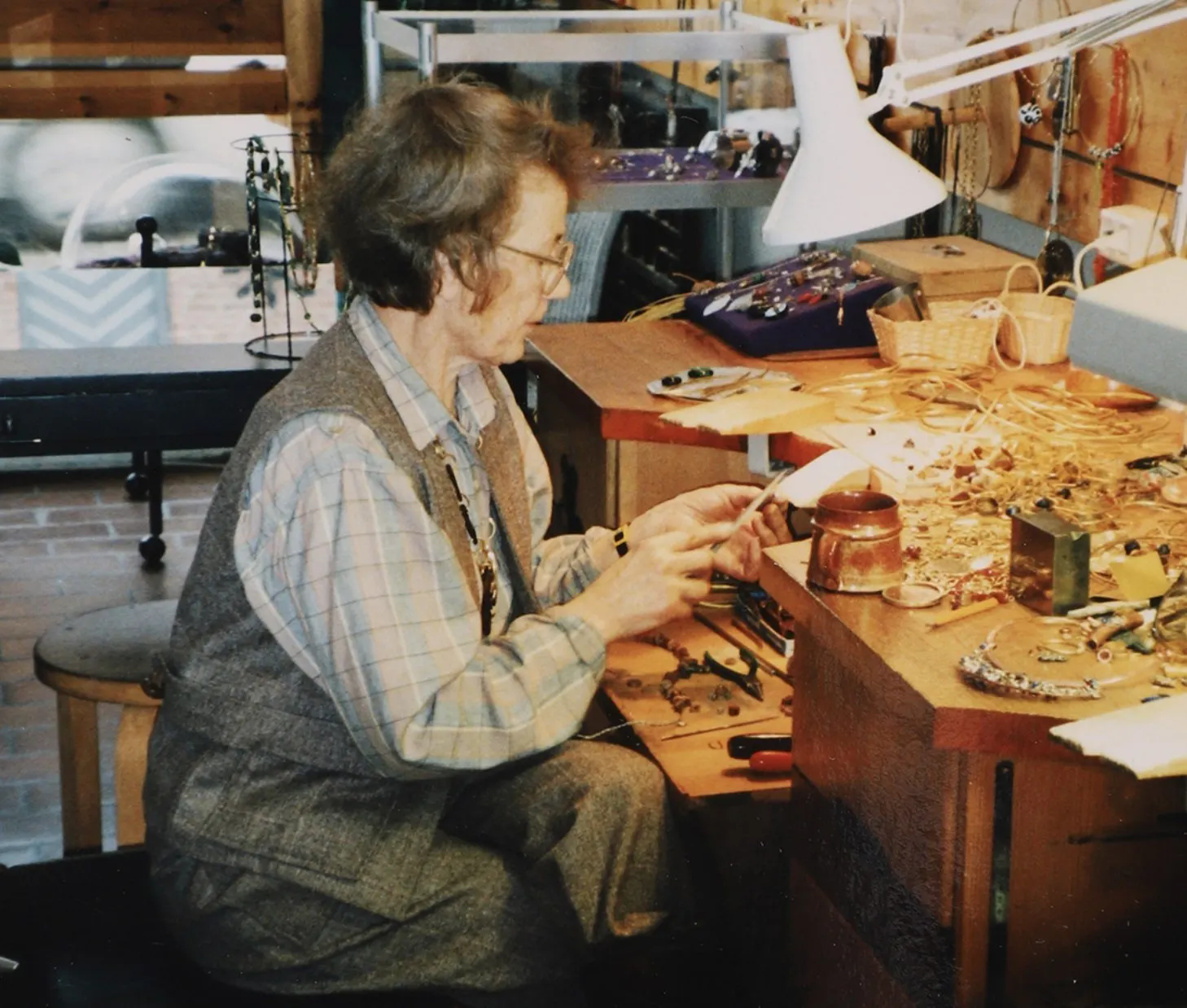
Celuk Village, located in the Sukawati District of Gianyar Regency, Bali, is renowned for its long-standing tradition of silversmithing. At Jalan Raya Celuk, Bali 80582, artisans have honed their skills over generations, producing exquisite handcrafted 925 sterling silver jewelry. This area is considered the heart of Bali’s silver production, where both intricate and simple designs are made for every level of the market. This rich tradition dates back many decades and continues to thrive as a significant aspect of local culture and economy.
Celuk craftsmen utilize various techniques such as granulation, locally known as ‘jawan’, filigree, and chiselling. Granulation involves the placement of tiny silver granules into precise patterns, often geometric or floral. Filigree work demands the skilled manipulation of fine silver wires into lace-like designs that are soldered onto the base. These techniques, along with others like lost-wax casting, make Celuk jewelry highly sought after both locally and internationally. The jewelry pieces are often sold in nearby art markets in Ubud and Sukawati, providing both locals and tourists access to these unique creations, often at prices reflecting the intricate labor involved.
Understanding HS Code 7113.11
The Harmonized System (HS) code 7113.11 is crucial for importing jewelry from Indonesia. This particular code classifies “articles of jewelry of silver”, which includes the striking creations from Celuk Village. Understanding this classification helps in navigating both domestic and international trade regulations and assists in determining applicable duties and taxes. It is important for importers to be aware that using the correct HS code ensures compliance with international trade laws and can prevent delays or penalties during customs clearance.
Jewelry items under this HS code are subjected to specific import duties depending on the destination country. In some cases, free trade agreements (FTAs) could lower or eliminate these duties, making it beneficial to procure a Certificate of Origin (Form D, AK, or AJ) to take full advantage of these agreements. For example, under the ASEAN Free Trade Area (AFTA), reduced tariffs can be applied if the products meet specific criteria, thus encouraging trade within the region and reducing costs for importers.
Indonesian Export Procedures and Documentation
To export jewelry from Indonesia, several key documents are required. A valid NPWP, which is the tax identification number, and an NIB, issued via the OSS system, are essential prerequisites. Additionally, the PEB, or Pemberitahuan Ekspor Barang, must be submitted to the Direktorat Jenderal Bea dan Cukai, which serves as the export declaration to customs. This process ensures that all goods leaving Indonesia are accurately documented, aiding in the monitoring and regulation of international trade.
Alongside these, exporters need to prepare a commercial invoice, a packing list, an air waybill, and a Certificate of Origin if applicable. Unlike raw bullion, exporting finished silver jewelry does not require special bullion permits, simplifying the process for businesses looking to bring Balinese craftsmanship to foreign markets. The involvement of bodies like the Kementerian Perdagangan (Trade Ministry) and BKPM/OSS (Investment Coordinating Board/Online Single Submission) helps streamline the export process, ensuring compliance and reducing bureaucratic red tape.
Pricing and Market Dynamics
Celuk jewelry is available at various price points depending on the complexity and material used. Industry estimates for 2026-2027 suggest that plain 925 sterling silver jewelry will range from approximately USD 1.20 to 3.00 per gram for simple designs, whereas intricate pieces with granulation or filigree could go from USD 3 to 6 per gram. Per piece pricing may vary from USD 5 to 12 for simple rings and studs, medium pendants and bracelets from USD 12 to 30, and complex designs may reach USD 30 to 80 or more, especially when set with gemstones which can add an additional USD 3 to 20 per piece. Bargaining is common in local markets like those in Ubud and Sukawati, where tourists can negotiate prices.
The global spot price for silver is projected to be between USD 0.70 and 1.00 per gram in 2026, which will influence the raw material cost. Exporters typically expect minimum order quantities (MOQ) of 50 to 100 pieces per design for simpler items, and 25 to 50 pieces for more complex designs, with buyers often covering the cost of molds for new designs. This MOQ helps balance the cost of production and ensures efficiency in crafting designs that are intended for mass export, allowing artisans to maintain a steady workflow and consistent quality.
Import Duties and Taxes
When importing jewelry from Indonesia under HS code 7113.11, it’s essential to account for any import duties and taxes that may apply in your country. These can vary significantly and may be influenced by existing trade agreements. For instance, ASEAN members may enjoy reduced duties if they meet rules of origin requirements, often facilitated by the Certificate of Origin. Countries outside this region may have different tariff rates, so checking with local customs authorities can provide clarity on the exact costs involved.
Engaging with customs brokers or consultants who specialize in international trade can ease the navigation of these duties and ensure compliance with regulatory obligations, potentially saving time and reducing costs associated with importation. These professionals can provide insights into optimizing the import process, helping to avoid common pitfalls such as incorrect documentation or missing deadlines that could lead to fines or shipment delays.
Logistical Considerations
Shipping from Bali typically involves air freight due to the lightweight nature of jewelry, which offers both speed and security. The air waybill serves as a contract between the shipping courier and the exporter, ensuring that the terms of shipment are clear and agreed upon. It is crucial to verify that all paperwork, including the commercial invoice and packing list, accurately reflects the shipment to prevent delays at customs. Inaccurate documentation can lead to increased scrutiny and potential hold-ups, impacting supply chain timelines.
Choosing reliable logistics partners with experience in handling jewelry shipments can provide peace of mind. Additionally, understanding seasonal trade patterns can help in planning purchases and shipments, ensuring that the goods reach the market at optimal times, particularly for high-demand periods like festive seasons. Peak seasons such as Christmas or local festivals in the buyer’s market can drive increased sales, making timing crucial for maximizing profit.
Quality Assurance and Ethical Practices
Ensuring the quality of jewelry imported from Celuk is paramount, as it maintains the reputation of both the exporter and the importer. Regular quality checks during production and before shipment can help maintain high standards. Many Celuk artisans pride themselves on their meticulous attention to detail and traditional methods, which are key selling points in international markets. Buyers often seek out suppliers with certifications that attest to ethical production practices and high-quality craftsmanship.
Ethical sourcing is becoming increasingly important in the jewelry industry, with consumers demanding transparency about the materials and labor practices involved in creating their products. Collaborating with suppliers who adhere to fair trade principles can enhance brand reputation and appeal to conscientious consumers. This includes ensuring that workers are paid fair wages and work in safe conditions, aligning with broader global movements towards sustainability and ethical business practices.
FAQs
Q? What documents are required to import jewelry from Indonesia? A: To import jewelry, you will need a commercial invoice, packing list, air waybill, and potentially a Certificate of Origin for duty reductions. The exporter must also file a PEB with Indonesian customs.
Q? How can I ensure compliance with import regulations? A: Compliance can be ensured by working with customs brokers or trade consultants familiar with Indonesian export and your local import regulations, ensuring all documentation and duties are properly managed.
Q? Are there minimum order quantities for importing jewelry from Bali? A: Yes, exporters typically require minimum order quantities of 50 to 100 pieces for simple designs and 25 to 50 pieces for complex pieces. Buyers may also need to cover mold costs for new designs.
For wider arrangements, our partner baliluxurytransport can coordinate end to end.
See also: Bali Silver Wholesale Pricing 2027: Per-Gram & Per-Piece Cost Breakdown · Home.
Frequently Asked Questions
Which HS code is used for importing sterling silver jewelry from Indonesia?
The HS code for silver jewelry imports from Indonesia is 7113.11 — “articles of jewellery of silver, whether or not plated or clad with other precious metal.” Every commercial invoice and PEB export declaration from Bali should carry this six-digit code; your national tariff then extends it to 8–10 digits, such as 7113.11.50 in the US schedule, which determines your exact duty rate.
How does customs clearance work for silver jewelry shipped from Bali?
Silver jewelry customs clearance is normally handled by the courier’s in-house broker: DHL or FedEx files your commercial invoice, packing list, and air waybill, and wholesale parcels typically clear within 1–3 business days. You review the entry, pay any duty plus import VAT or GST, and keep the paperwork — roughly 9 in 10 wholesale jewelry shipments clear without physical inspection.
Does a Certificate of Origin from Indonesia reduce import duty on silver jewelry?
Yes — a preferential Certificate of Origin for jewelry from Indonesia, such as e-Form AANZ for Australia and New Zealand or the IJEPA certificate for Japan, can cut import duty on HS 7113.11 shipments to 0% in many partner markets. Ask your Bali exporter to arrange it before shipment: issuance normally takes 1–2 working days and costs only a small administrative fee.
Source Bali Silver Directly from Celuk Village
Bali Silver Export connects wholesale buyers with Celuk Village artisans — 925 sterling silver, factory-direct pricing, worldwide shipping. Chat with our export team on WhatsApp or email [email protected].