Filigree, granulation, lost-wax casting, hammering, oxidation, and wire-wrapping — the hand techniques passed down through generations of Celuk Village artisans.
Every piece in our catalog uses one or more traditional Balinese silversmithing techniques — methods refined over six centuries in Celuk Village. Understanding these techniques helps wholesale buyers source the right designs for their retail position.
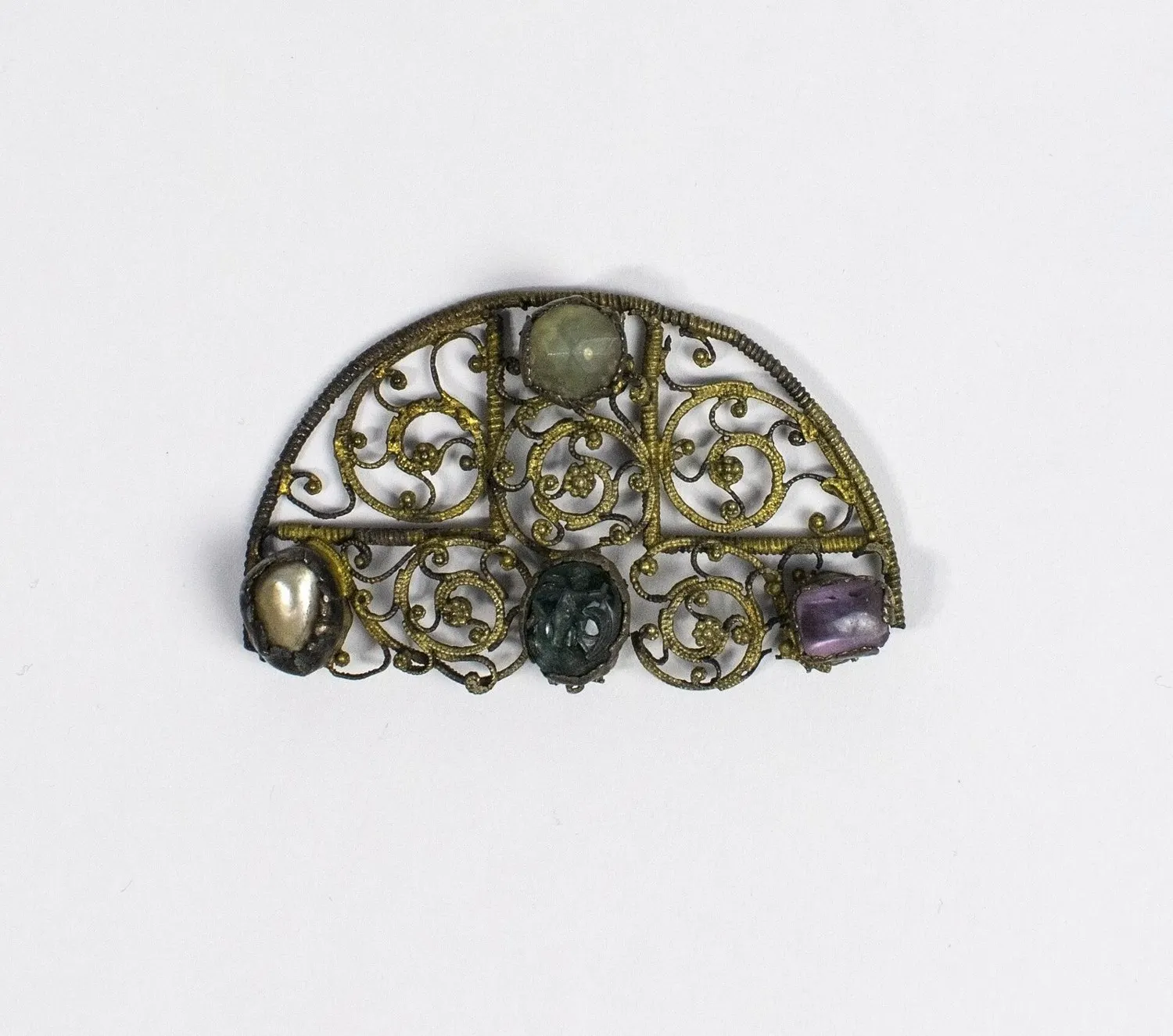
Most mass-produced silver jewelry is made by stamping or machine-casting — fast and cheap, but visibly uniform. Hand-techniques like filigree and granulation produce pieces with subtle variation, three-dimensional texture, and the kind of presence that retail customers can feel.
For wholesale buyers, this means: filigree pieces command higher retail prices, lost-wax casting enables intricate custom OEM designs, and oxidation gives modern pieces an antique presence loved in boho and men’s markets.
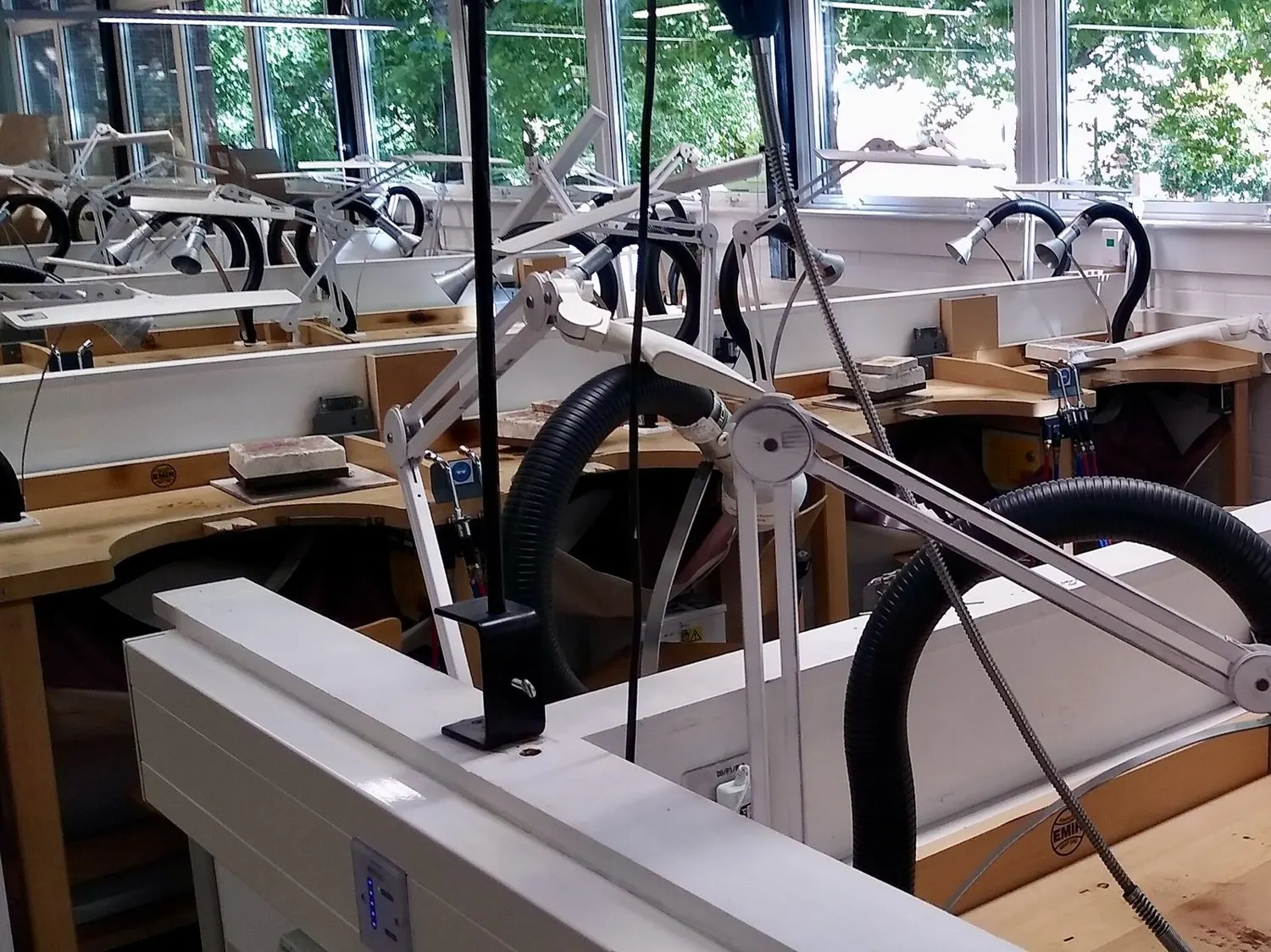
Many of our most popular SKUs combine multiple techniques in a single piece — a lost-wax-cast base with filigree details, granulation accents, and a final oxidized finish, for example. This layering is what gives Bali silver its distinctive look.
Each technique adds a distinct visual quality — and a distinct price-tier potential — to wholesale orders.
Delicate twisted silver wires forming intricate lace-like patterns — Bali’s signature jewelry technique.
Tiny silver spheres arranged in geometric patterns, a Balinese specialty dating back centuries.
Precision casting from hand-carved wax models, enabling complex 3D jewelry designs.
Texture and dimension created by hand-hammering on a steel anvil — a signature of artisan-feel modern jewelry.
Antique-blackened patina applied selectively to bring out detail and depth — popular for men’s and boho lines.
Tell us which technique fits your brand — filigree, granulation, lost-wax, hammered, or oxidized. Personalized quote within 1–2 hours.
Handled by BD Juara Holding Group
