For wholesale buyers, understanding the differences between 925 sterling silver, silver-plated, and fine silver is crucial. Each has unique characteristics that affect quality, cost, and market appeal. This guide clarifies these differences, focusing on Bali’s silver jewelry, highlighting Celuk Village’s craftsmanship, and offering export insights.
Understanding 925 Sterling Silver
925 sterling silver, commonly referred to simply as sterling silver, consists of 92.5% pure silver and 7.5% other metals, usually copper. This blend enhances durability while retaining the luster of pure silver. Known for its resilience and bright finish, 925 sterling silver is a popular choice for jewelry.
In Bali, particularly in Celuk Village located on Jalan Raya Celuk, Gianyar Regency, skilled artisans specialize in crafting exquisite 925 sterling silver pieces. The jewelry often features intricate designs using traditional techniques like granulation and filigree, showcasing the high craftsmanship standards of Balinese silversmiths.
Celuk-made silver is also prominently displayed in the nearby Ubud and Sukawati art markets, where these finely crafted pieces attract both tourists and international buyers. These markets are busy year-round, with peak seasons typically aligning with Bali’s dry season from April to October, when tourist foot traffic is highest.
The Art of Silver-Plating
Silver-plated jewelry involves a base metal, such as copper or nickel, coated with a thin layer of silver. While this gives the look of silver, the underlying metal lacks the intrinsic value and durability of solid silver. Over time, the silver layer may wear off, especially if not properly cared for.
Despite these drawbacks, silver-plated items are more affordable than solid silver, making them an attractive option for cost-sensitive markets. However, wholesale buyers should consider the longevity and market perception when opting for silver-plated products.
For those targeting budget-conscious consumers, silver-plated jewelry can provide stylish alternatives at a lower price point, often retailing for a fraction of the cost of solid silver pieces. Wholesale prices for silver-plated jewelry can range from USD 0.50 to 1.00 per piece, depending on the complexity of the design.
Exploring Fine Silver
Fine silver is 99.9% pure, offering a higher purity than sterling silver but with increased softness, making it less suitable for items that require durability. It is primarily used in pieces where its purity and natural beauty are the main attractions.
While fine silver is less common in everyday jewelry due to its malleability, its notable finish is ideal for special pieces. Balinese artisans, renowned for their ability to work with high-purity silver, often incorporate it in decorative elements where its softness is not a disadvantage.
In Celuk Village, fine silver is sometimes used in custom orders or special collections that highlight the metal’s unique qualities. These pieces are often sought after by collectors and those seeking distinctive, one-of-a-kind jewelry, with prices reflecting the premium nature of the material.
Celuk Village: The Heart of Balinese Silver Craft
Located in the Sukawati District, Celuk Village is Bali’s premier center for gold and silversmiths, attracting both local and international buyers. The village is renowned for its handcrafted 925 sterling silver jewelry, the skills passed down through generations.
Techniques such as jawan (granulation), filigree, engraving, and lost-wax casting are signature practices here. Each piece is hand-finished, ensuring unique quality and artistry. As a major export hub, Celuk’s output is classified under HS code 7113.11, indicating its significance in the global silver jewelry market.
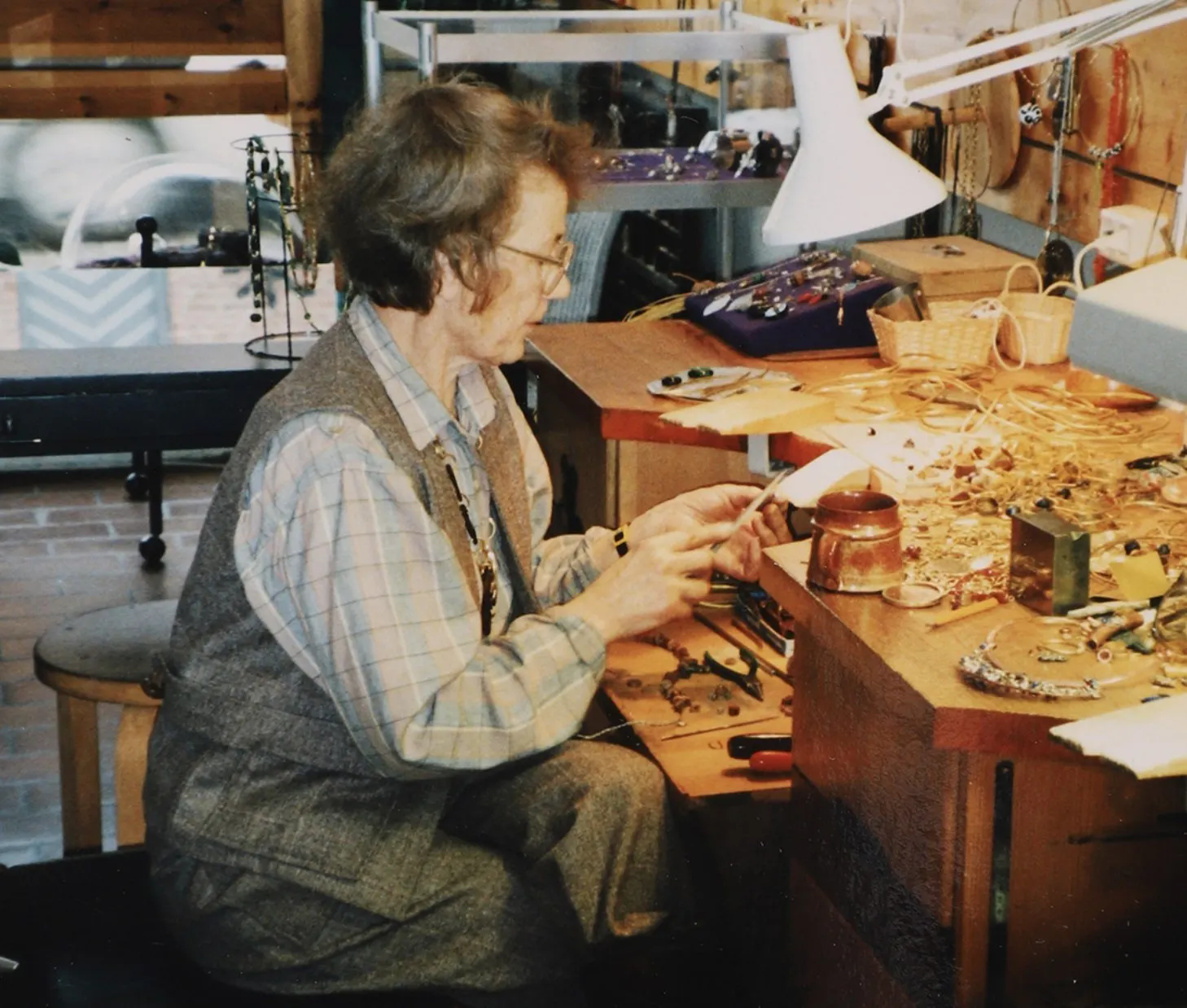
Visitors to Celuk can often tour workshops where they see artisans at work, providing insight into the painstaking processes that result in these beautiful pieces. The village’s reputation ensures a constant flow of visitors, eager to purchase directly from the source and learn about the cultural heritage of Balinese silversmithing.
Wholesale Export Process from Bali
Exporting silver jewelry from Bali involves several essential documents and procedures. Indonesian exporters must hold an NPWP (tax ID) and an NIB (Nomor Induk Berusaha) obtained through the Online Single Submission (OSS). A PEB (Pemberitahuan Ekspor Barang) is required for customs declaration, along with a commercial invoice, packing list, and air waybill.
For preferential trade agreements, a Certificate of Origin (Form D/AK/AJ) is necessary for FTA destinations. Notably, exporting finished silver jewelry does not require a special bullion permit. The Direktorat Jenderal Bea dan Cukai handles customs, while the Kementerian Perdagangan and BKPM/OSS are involved in trade and licensing processes.
Potential exporters should be aware that the process involves coordination with multiple bodies, ensuring compliance with regulations and smooth logistics. Understanding these requirements is essential for successful international transactions, especially in markets such as the US and EU where regulatory standards are stringent.
Pricing and Market Dynamics
Wholesale pricing for Balinese 925 sterling silver jewelry varies with design complexity. Industry estimates for 2026-2027 suggest USD 1.20-3.00 per gram for simple designs and USD 3-6 for intricate ones like granulation and filigree. Simple rings and studs range from USD 5-12 each, while medium pendants and bracelets are priced between USD 12-30. Complex pieces can exceed USD 30-80, with gemstone settings adding USD 3-20 per piece.
The silver spot price is expected to be around USD 0.70-1.00 per gram in 2026. Wholesale buyers should be aware of typical minimum order quantities: 50-100 pieces per design for simpler items and 25-50 for more complex designs, with buyers covering mold costs.
The fluctuating silver price impacts overall cost, making it crucial for buyers and sellers to monitor market trends closely. Engaging with experienced local agents can provide valuable insights into current pricing dynamics and help navigate the Balinese silver market effectively.
Innovations in Balinese Silver Jewelry
Balinese silver jewelry is continually evolving, with artisans in Celuk Village often experimenting with new designs and techniques. This creative dynamism has kept Balinese silver relevant and in demand on the international stage. Innovations have included the integration of modern elements with traditional methods, attracting a broad demographic.
Artisans are now exploring the use of mixed metals and contemporary geometric patterns, broadening the appeal beyond traditional motifs. The introduction of eco-friendly practices, such as using recycled silver and sustainable production methods, has also gained attention, aligning with global trends towards sustainability.
These innovations not only enhance the aesthetic appeal but also contribute to the jewelry’s marketability, allowing Balinese silver to remain competitive and desirable. As more consumers seek unique and responsibly made products, the creative efforts in Celuk Village are well-positioned to meet these emerging preferences.
FAQs
Q? What are the main differences between 925 sterling silver and silver-plated jewelry? A: 925 sterling silver contains 92.5% pure silver and is more durable, while silver-plated jewelry has a thin silver layer over a base metal, making it less durable and more affordable.
Q? Why is Celuk Village significant in the silver jewelry industry? A: Celuk Village is Bali’s main center for silver craftsmanship, known for its skilled artisans and traditional techniques, producing high-quality 925 sterling silver jewelry for both local and international markets.
Q? What documents are required for exporting silver jewelry from Bali? A: Required documents include an NPWP, NIB, PEB, commercial invoice, packing list, air waybill, and Certificate of Origin for FTA destinations. No special bullion permit is needed for finished jewelry.
See also: What Is 925 Sterling Silver? The 2027 Buyer’s Guide for Importers · Home.
Frequently Asked Questions
Is Bali silver always sterling, or can it be silver-plated or a lower-purity alloy?
“Bali silver” describes a style, not a purity — so no, it is not always sterling. Tourist-market pieces can be silver-plated or 80–90% alloys, which is why wholesale buyers should insist on a .925 hallmark and source from established Celuk exporters. Genuine 925 sterling contains 92.5% pure silver and holds resale value; plated pieces carry only microns of silver over brass.
How do I distinguish solid sterling silver from silver-plated jewelry when buying in bulk?
Compare weight against size first — solid sterling is noticeably denser than plated brass or copper. Then check the hallmark, inspect edges and clasp points for base-metal show-through, and acid-test or XRF-test a sample from the batch. For the full protocol, see our step-by-step guide on how to spot real 925 silver.
What is the difference between 925 and 999 fine silver for wholesale buyers?
999 fine silver is 99.9% pure but too soft for daily-wear jewelry — rings and clasps bend and scratch within weeks. 925 sterling trades 7.5% purity for roughly three times the hardness, which is why over 90% of exported Bali jewelry is sterling; 999 is mostly reserved for bullion, plating stock, and some traditional ceremonial pieces.
Source Bali Silver Directly from Celuk Village
Bali Silver Export connects wholesale buyers with Celuk Village artisans — 925 sterling silver, factory-direct pricing, worldwide shipping. Chat with our export team on WhatsApp or email [email protected].