Key Takeaways
- Recycled 925 sterling silver from Celuk Village supports ethical, traceable sourcing with significant export under HS code 7113.11.
- Artisans in Celuk employ traditional Balinese techniques like jawan, filigree, and lost-wax casting for unique jewelry.
- Ubud and Sukawati art markets offer a variety of Celuk-made silver items, boosting local artisanal trade.
- Celuk’s handcrafted silver jewelry, known for quality and sustainability, attracts global retail and mass export interest.
Recycled 925 sterling silver sourced ethically and traceably from Bali offers a sustainable choice for jewelry enthusiasts and traders. Bali Silver Export leverages traditional craftsmanship in Celuk Village to produce exquisite jewelry pieces, blending ecological responsibility with artistic heritage, coveted by international markets.
The Heart of Silver Craftsmanship: Celuk Village
Celuk Village, located in the Sukawati District of Gianyar Regency and accessible via Jalan Raya Celuk, has long been synonymous with Bali’s rich silversmithing heritage. This village has nurtured the art of crafting 925 sterling silver into intricate jewelry, maintaining techniques passed down through generations. Celuk is recognized internationally for producing high-quality silver items, primarily catering to both retail and mass export demands.
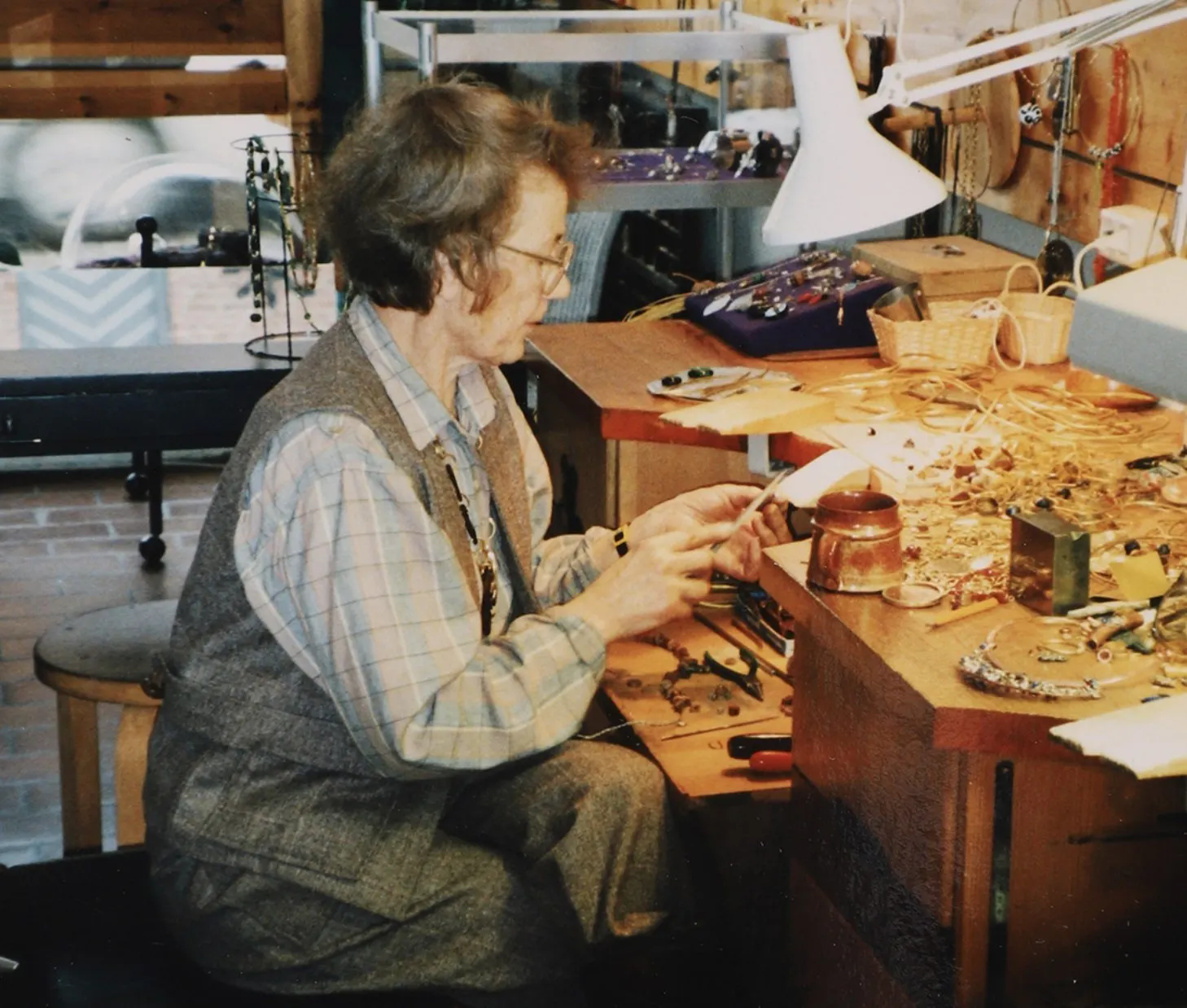
The artisans of Celuk Village are celebrated for their meticulous handcrafting techniques, such as granulation and filigree. These methods, which involve the precise placement of tiny silver granules and delicate silver wire patterns, are labor-intensive and require a high degree of skill, reflecting the dedication and craftsmanship of the local silversmiths. Visitors can explore workshops along Jalan Raya Celuk to witness these artisans in action, offering a unique insight into the creation process.
The village itself is a hub for jewelry enthusiasts and traders from around the world, drawn by the promise of exceptional artistry. Its strategic location near Ubud and the Sukawati art markets further enhances its appeal, making it a must-visit destination in Bali. The village thrives throughout the year, with peak tourist seasons such as July and August seeing a surge in activity as visitors flock to purchase the finest silver jewelry.
Signature Balinese Silver Techniques
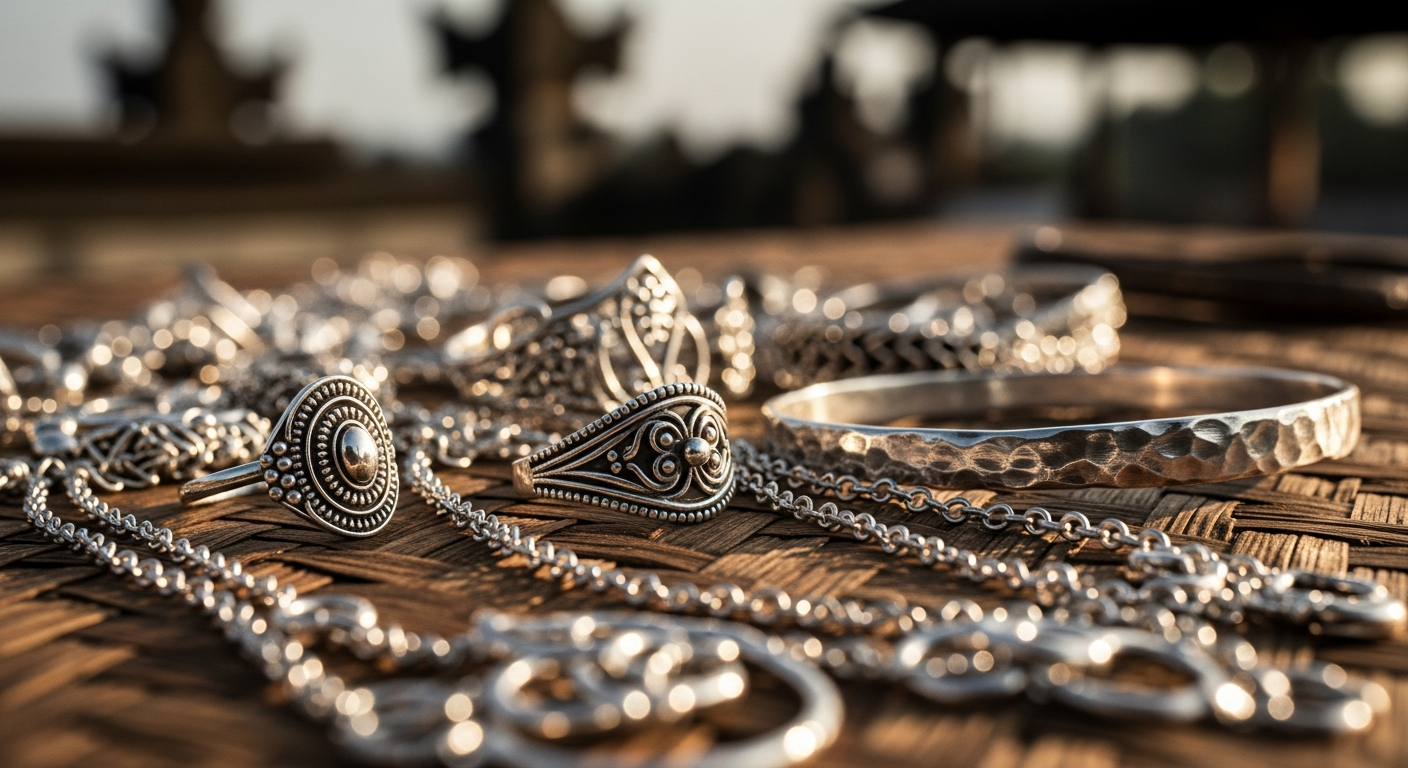
The beauty of Balinese silver jewelry lies in the traditional techniques employed by the artisans. Granulation, or ‘jawan’, involves creating intricate geometric or floral motifs from minute silver balls. Each piece is painstakingly assembled to form elaborate designs that are both captivating and unique. Filigree work, another hallmark of Balinese silver artistry, features lace-like patterns of fine silver wire meticulously soldered to a base, offering a delicate and sophisticated finish.
Chiselling and engraving add further depth to these creations, allowing for the incorporation of detailed patterns and textures on the silver surface. Lost-wax casting, a more modern adaptation, is used to form complex shapes and designs, serving as how traditional methods are harmoniously blended with contemporary techniques to produce exquisite jewelry pieces. Artisans often spend several weeks refining a single piece, particularly during the off-peak seasons when there is more time for detailed work.
The local workshops in Celuk often feature demonstrations of these techniques, where visitors can watch as artisans transform raw silver into striking pieces of art. These sessions provide a deeper appreciation for the skill involved and often inspire tourists to purchase custom-made jewelry, adding a personal touch to their experience.
Ethical and Traceable Sourcing
The silver used in Bali Silver Export’s jewelry is sourced with an emphasis on ethical and traceable practices. The commitment to sustainability begins with the acquisition of recycled silver, which minimizes environmental impact and supports responsible mining initiatives. By sourcing silver that is recycled, the brand ensures that each piece of jewelry contributes to sustainable production practices.
Traceability is another crucial aspect, ensuring that each step of the supply chain is transparent and accountable. This approach not only guarantees ethical sourcing but also instills confidence in buyers, knowing that their purchases support sustainable and fair-trade principles. The entire process is carefully monitored, from obtaining raw materials to the final handcrafted product, ensuring that each piece adheres to stringent ethical standards.
The company’s dedication to ethical practices also involves partnerships with local communities, providing fair wages and contributing to social programs. Such initiatives reinforce the brand’s commitment to sustainability and ethical production, making it a favorite among conscious consumers seeking high-quality, responsibly sourced jewelry.
Regulations and Export Processes
The export of silver jewelry from Bali requires adherence to several regulatory measures. Classified under HS code 7113.11, these articles must comply with Indonesian export regulations, including obtaining necessary documents such as NPWP, NIB, PEB, commercial invoices, packing lists, air waybills, and Certificates of Origin. These documents are processed through various Indonesian governmental bodies, including Direktorat Jenderal Bea dan Cukai, Kementerian Perdagangan, and BKPM/OSS.
While exporting finished silver jewelry does not require a special bullion permit, ensuring compliance with all export regulations is essential to facilitate smooth international trade. The meticulous documentation process serves to uphold the integrity and legality of the export activities, protecting both the producers and the buyers in the international market.
For businesses looking to venture into export, understanding these processes is crucial. The cost of compliance, including the preparation of documents and consultation fees, can range from USD 300 to 500 per shipment. However, the benefits of accessing global markets far outweigh these initial investments, with many exporters establishing long-term relationships with international buyers.
Wholesale Pricing and Market Trends
The wholesale export market for 925 sterling silver jewelry is highly competitive, with pricing reflecting both the complexity of design and current market conditions. Industry estimates for 2026-2027 suggest that plain 925 sterling silver pieces will range from USD 1.20 to 3.00 per gram for simple designs, while more intricate designs involving granulation or filigree may command prices between USD 3 to 6 per gram.
On a per-piece basis, simple rings or studs are projected to cost between USD 5 to 12, medium-sized pendants or bracelets between USD 12 to 30, and complex granulated or filigree pieces from USD 30 to 80 or more, depending on the intricacy and labor involved. Pieces set with gemstones could see additional costs ranging from USD 3 to 20 per piece. The silver spot price is expected to hover around USD 0.70 to 1.00 per gram during this period, influencing overall pricing strategies.
The anticipated increase in demand for handmade jewelry globally plays a significant role in shaping these market trends. As consumers increasingly prioritize unique, artisan-crafted items, the market for Balinese silver jewelry continues to expand, with new collections being introduced seasonally to keep up with evolving tastes.
Art Markets and Cultural Significance
Beyond export, Bali’s silver jewelry finds a lively market locally, prominently featured in the Ubud and Sukawati art markets. These markets not only serve as significant tourist attractions but also as platforms for local artisans to showcase their craftsmanship. Jewelry from Celuk often reflects Bali’s rich cultural notable, incorporating traditional motifs and symbols that resonate with both locals and tourists.
The art markets play a crucial role in preserving and propagating Balinese culture, allowing artisans to maintain their heritage while innovating within their craft. The fusion of traditional artistry and contemporary design trends ensures that Balinese silver jewelry remains relevant and desirable across diverse markets.
These markets are busy during the dry season, particularly from May to September, when tourism in Bali peaks. Visitors often engage directly with the artisans, learning about the cultural stories and inspiration behind each piece. This interaction not only enhances the shopping experience but also helps perpetuate the rich artistic traditions of Bali.
FAQs
Q? What makes recycled 925 sterling silver ethical? A: Recycled 925 sterling silver is considered ethical because it reduces the environmental impact associated with traditional mining, supports sustainable practices, and promotes the responsible use of resources by reusing materials.
Q? How are intricate designs like granulation and filigree achieved? A: Intricate designs such as granulation and filigree require skillful handcrafting techniques where artisans meticulously form and attach tiny silver granules or fine silver wires to create complex patterns, often enhanced with chiselling and engraving.
Q? What are the benefits of buying from Bali Silver Export? A: Buying from Bali Silver Export ensures that you receive high-quality, ethically sourced, and beautifully crafted silver jewelry, supported by transparent sourcing practices and compliance with international trade regulations, thus supporting both the environment and local artisans.
For wider arrangements, our partner baliluxurytransport can coordinate end to end.
Planning something bigger across Indonesia? For end-to-end service see komodoboatcharter.
Explore all balisilverexport.com options and plan your trip.
Source Bali Silver Directly from Celuk Village
Bali Silver Export connects wholesale buyers with Celuk Village artisans — 925 sterling silver, factory-direct pricing, worldwide shipping. Chat with our export team on WhatsApp or email [email protected].