925 Sterling Silver is a premium quality alloy used extensively in jewelry making, comprised of 92.5% pure silver and 7.5% other metals, typically copper. Renowned for its durability and luster, it is a top choice for importers looking for reliable, high-quality products. This guide explores the essentials importers need to know for 2027.
Understanding 925 Sterling Silver
925 Sterling Silver, often referred to simply as ‘sterling silver’, is an alloy containing 92.5% pure silver. The remaining 7.5% is usually copper, although other metals like zinc can also be used. This composition is crucial because pure silver, while beautiful, is too soft for crafting durable items. By alloying with copper, the resulting sterling silver retains silver’s desirable properties, such as its sheen, while gaining the necessary strength to be fashioned into durable, long-lasting jewelry.
For importers, understanding this composition is critical as it influences the quality and durability of the jewelry. 925 Sterling Silver is also recognized by its hallmark, usually stamped ‘925’, which signifies its authenticity and purity. The hallmark is an important factor to verify, ensuring that products meet the expected standards of quality and composition. Importers should be aware that variations in alloying metals can slightly alter the color and tarnish resistance of the silver, making it important to source from trusted producers.
The Craftsmanship of Celuk Village
Celuk Village in the Sukawati District of Gianyar Regency, Bali, stands as the epicenter for silver craftsmanship in Indonesia, located on Jalan Raya Celuk, Bali 80582. Known internationally for its skilled artisans, Celuk has a rich history of silver and goldsmithing. The village is renowned for producing exquisite handcrafted 925 sterling silver jewelry, catering to both retail markets and mass export demands.
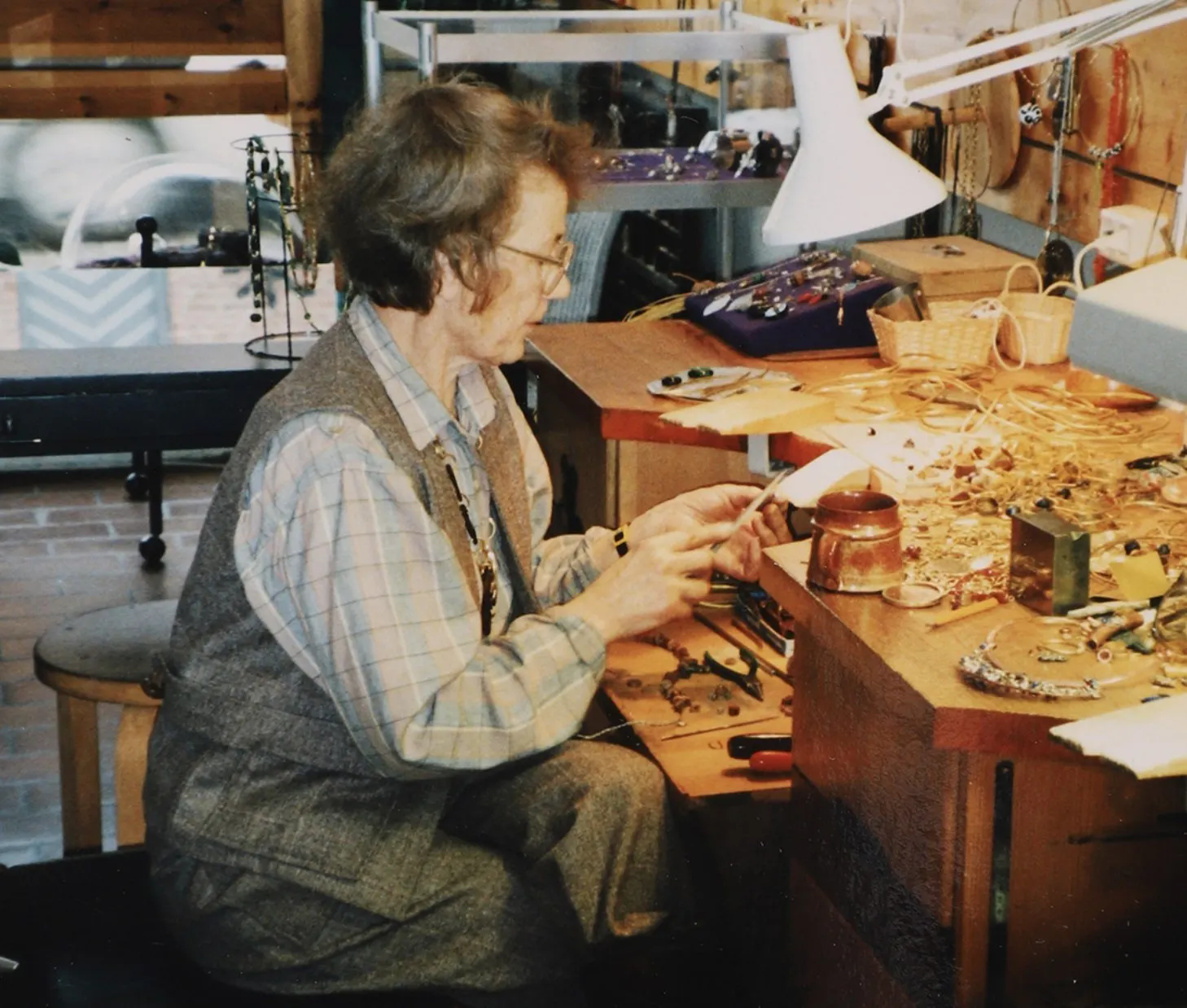
Artisans in Celuk employ traditional Balinese techniques, including granulation, filigree, chiselling, and lost-wax casting. These techniques, especially granulation and filigree, demand a high level of skill and patience, as they involve creating intricate designs with tiny components. The artisans’ ability to produce such detailed work is their remarkable expertise, with each piece meticulously hand-finished to ensure the highest quality. Visitors to Celuk can often witness these artisans at work, observing the meticulous process that transforms raw silver into striking pieces of art. For those interested in purchasing, the nearby Ubud and Sukawati art markets offer a plethora of Celuk-made jewelry, each piece telling a story of Balinese tradition and creativity.
Exporting Silver from Indonesia
Exporting 925 sterling silver jewelry from Indonesia involves navigating several requirements and engaging with various authorities. The jewelry falls under the Harmonized System (HS) code 7113.11, which classifies articles of silver jewelry. Importers must prepare several documents, including a Tax Identification Number (NPWP), a Business Identification Number (NIB) obtained via the Online Single Submission (OSS) system, an Export Declaration (PEB) filed with the Customs (Bea Cukai), a commercial invoice, a packing list, an air waybill, and a Certificate of Origin. For free trade agreement destinations, forms such as Form D, AK, or AJ are necessary.
While the process might seem daunting, understanding and complying with these requirements is essential for smooth and successful export operations. Fortunately, there is no need for a special bullion permit for finished silver jewelry, simplifying the process for those dealing with crafted pieces rather than raw materials. It’s important for importers to establish strong communication with local partners and agencies like Kementerian Perdagangan for up-to-date information and guidance on export procedures. Additionally, engaging a local export consultant can significantly ease the process, ensuring all documentation and compliance requirements are met efficiently.
Pricing Trends and Market Dynamics
The pricing of 925 sterling silver jewelry is influenced by several factors, including design complexity and current silver market prices. For the 2026-2027 period, wholesale export prices for plain 925 sterling silver are estimated to range from USD 1.20 to 3.00 per gram for simple designs. More intricate pieces that feature granulation or filigree techniques are expected to fetch between USD 3.00 to 6.00 per gram.
Per piece, simple rings or stud earrings are projected to cost between USD 5 to 12, while medium-sized pendants and bracelets may range from USD 12 to 30. Highly detailed pieces incorporating advanced techniques are likely to be priced from USD 30 to 80 or more. Adding gemstones can increase the price by an additional USD 3 to 20 per piece. As for the silver spot price, it is anticipated to range between USD 0.70 to 1.00 per gram in 2026, impacting overall cost considerations for importers. Monitoring these trends is crucial for importers to optimize their purchasing strategies and remain competitive in the global market. Seasonal demand shifts, particularly around major festivals and holidays, can also influence pricing and availability, making strategic planning indispensable.
Minimum Order Quantities and Production Considerations
When engaging in wholesale transactions, importers must adhere to minimum order quantities (MOQs) set by suppliers. Typically, these MOQs are around 50 to 100 pieces per design for simpler items like rings and earrings. For more intricate or newly developed designs, the MOQ may be reduced to 25 to 50 pieces per design, allowing importers to evaluate market response before committing to larger orders.
The MOQs are designed to balance production costs and market demand, ensuring that both producers and importers maintain profitable operations. Additionally, when dealing with new or complex designs, importers might be responsible for covering mold costs, a consideration that should be factored into initial budgeting. It’s beneficial for importers to develop a close relationship with manufacturers to potentially negotiate MOQs and discuss possible customizations or exclusive design rights, which can foster innovation and exclusivity in their product offerings.
Regulatory Environment
Importers must be familiar with Indonesia’s regulatory environment, which includes bodies such as the Direktorat Jenderal Bea dan Cukai (Customs) and the Kementerian Perdagangan (Ministry of Trade). The BKPM, through the OSS system, plays a crucial role in licensing and regulatory compliance for businesses operating in the export sector.
Understanding these regulatory frameworks is vital for importers to ensure compliance and avoid any legal or logistical issues. The Indonesian government continues to refine its processes to facilitate easier export operations, but staying informed about regulatory changes is a prudent strategy for importers looking to maintain a competitive edge in the market. Engaging with local trade associations and participating in industry seminars can provide valuable insights and updates on regulatory developments, enhancing importers’ ability to adjust strategies proactively.
Exploring Sustainable Practices in Silver Jewelry Production
As the global market increasingly shifts towards sustainability, the silver jewelry industry in Celuk is adapting to these changes by implementing more eco-friendly practices. Artisans and manufacturers are exploring sustainable sourcing of raw materials, ensuring that the silver used is ethically mined and free from conflict. This commitment not only enhances the appeal of Celuk silver abroad but also contributes positively to the local environment and community.
In addition to sourcing practices, many workshops in Celuk employ techniques that reduce waste and energy consumption during the production process. By using traditional methods that require minimal machinery, artisans maintain a lower carbon footprint. Importers who prioritize sustainability can market these pieces as eco-friendly, aligning with consumer trends and increasing their product’s appeal in environmentally conscious markets. Collaborating with local producers to develop a sustainability certification or label could further enhance product differentiation and value.
FAQs
Q? What is the significance of the ‘925’ mark on sterling silver?
A: The ‘925’ mark indicates that the piece is composed of 92.5% pure silver, which is the standard for sterling silver. This mark assures buyers of the quality and authenticity of the silver used in their jewelry.
Q? What documents are required for exporting silver jewelry from Indonesia?
A: Key documents include the NPWP, NIB via OSS, PEB for Customs, commercial invoice, packing list, air waybill, and Certificate of Origin. These documents ensure legal compliance and smooth export processes.
Q? How does the cost of silver affect the pricing of 925 sterling silver jewelry?
A: The spot price of silver directly impacts the cost of producing sterling silver jewelry. Fluctuations in this price can influence both wholesale and retail prices, making it essential for importers to stay informed about current market trends.
Frequently Asked Questions
Is Bali silver real silver?
Yes — genuine Bali silver from Celuk Village workshops is real 925 sterling silver, meaning 92.5% pure silver alloyed with 7.5% copper for strength. That is exactly what the 925 stamp on silver jewelry means: verified sterling purity, not plating. Every piece from Bali Silver Export carries the .925 hallmark, and buyers can confirm purity with an acid test or XRF scan on arrival.
What is the difference between 925 and 999 silver?
999 fine silver is 99.9% pure but too soft for everyday jewelry — rings and clasps bend and scratch easily. 925 sterling silver trades a small amount of purity (92.5% silver, 7.5% copper) for the hardness that wearable, export-grade jewelry needs. That is why virtually all wholesale jewelry from Bali, and around 90% of silver jewelry sold worldwide, is 925 sterling rather than fine silver.
What is the minimum order for 925 sterling silver jewelry from Bali?
First wholesale orders typically start from around $500, which usually covers 50–100 pieces depending on design weight. Sample orders of 10–20 pieces are available before committing, so importers can verify the 925 hallmark, finishing, and stone setting quality in hand before scaling to full production quantities.
How long does shipping 925 silver jewelry from Bali take?
Insured air freight via DHL or FedEx delivers FOB Bali shipments to most destinations in 5–10 days. Silver jewelry ships under HS Code 7113.11 with a commercial invoice, packing list, and Certificate of Origin — documentation an established exporter prepares for you as part of the order.
Source Bali Silver Directly from Celuk Village
Bali Silver Export connects wholesale buyers with Celuk Village artisans — 925 sterling silver, factory-direct pricing, worldwide shipping. Chat with our export team on WhatsApp or email [email protected].