Buyers searching for an eco-friendly Bali silver jewellery supplier in 2027 are usually looking for two things: verifiable use of recycled silver and evidence of fair, ethical working conditions in the workshops behind the product. This article explains what “eco-friendly” realistically means in the context of Bali’s silver industry, what buyers can reasonably ask a supplier to confirm, and where sustainability claims need independent verification rather than blanket assurance.
What Does “Eco-Friendly” Mean for Silver Jewellery Production?
In the silver jewellery trade, eco-friendly practices generally reference two overlapping areas: material sourcing (using recycled or responsibly mined silver rather than newly extracted metal without traceability) and production ethics (fair wages, safe working conditions, and reasonable working hours for artisans). Buyers should be aware that these are two distinct claims, and a supplier may be strong in one area without automatic proof of the other. Read more about our general approach on the sustainability page.
Recycled Silver: What It Is and Why It Matters
Recycled 925 sterling silver is silver reclaimed from existing sources — such as scrap metal, industrial byproducts, or previously used jewellery — rather than freshly mined ore. Using recycled silver can reduce the environmental footprint associated with new mining, and many brands now specifically request this as part of their sourcing criteria. Because recycled silver still needs to meet the same 92.5% purity standard described on our 925 sterling silver page, the material properties for jewellery-making remain equivalent — the difference is entirely in the sourcing origin, not the finished product quality.
How Should Buyers Ask About Traceability?
Rather than accepting a general “eco-friendly” label at face value, buyers evaluating a supplier’s sustainability claims should ask specific, written questions: What percentage of the silver used is recycled versus newly sourced? Can this be documented for a specific order? Are there third-party certifications involved, and if so, which certifying body issued them? A supplier who can answer these questions clearly and consistently in writing is generally a stronger indicator of genuine practice than marketing language alone. We encourage buyers to raise these exact questions directly with our team so we can address them honestly for the specific product line being discussed, rather than making blanket claims on this page that may not apply uniformly across every design or material batch.
What About Working Conditions in Celuk Workshops?
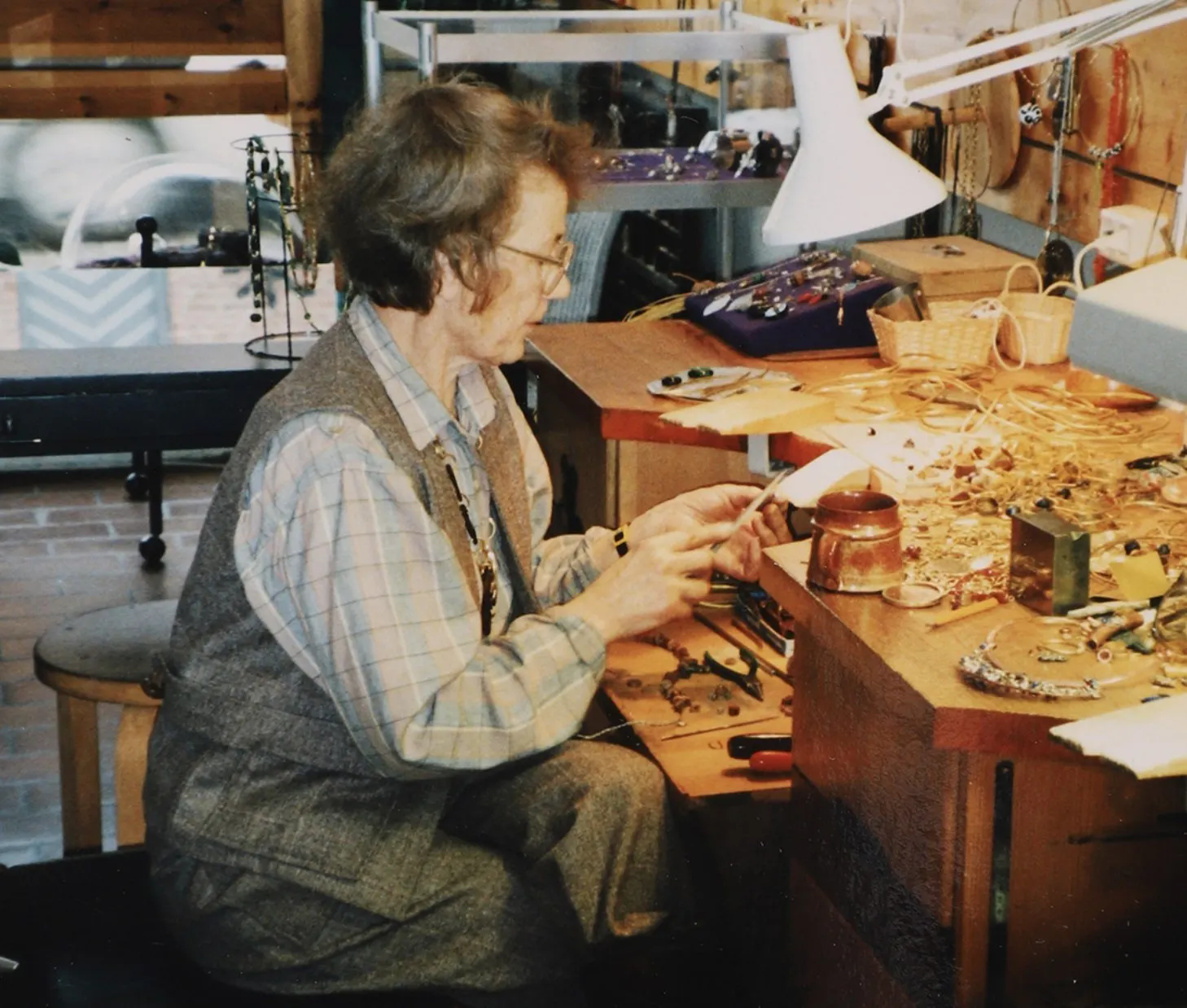
Celuk, Gianyar has a long tradition of family-based and small-workshop silversmithing passed down across generations. This structure differs meaningfully from large industrial factories, and buyers who want to understand working conditions specific to their order should ask directly rather than relying on assumptions about “traditional craft” automatically meaning fair labor practices — while often true in family workshop settings, buyers evaluating this as a sourcing criterion should still confirm specifics relevant to their brand’s ethical sourcing policy in writing.
Comparing Eco-Friendly Claims Across Suppliers
| Question to Ask | Why It Matters |
|---|---|
| What percentage of silver is recycled? | Distinguishes genuine practice from general marketing language |
| Is there third-party certification? | Independent verification carries more weight than self-reported claims |
| Can documentation be provided per order? | Confirms traceability applies to your specific batch, not just company-wide averages |
| What are the workshop labor practices? | Separates material sourcing ethics from production labor ethics |
Eco-Friendly Design Options
Beyond material sourcing, some buyers also consider design choices that reduce waste, such as ordering close to actual demand rather than over-producing speculative stock, or choosing finishes like oxidized silver that require fewer chemical plating steps compared to heavier gold-plated finishes. These are practical considerations a buyer can factor into product line planning alongside material sourcing questions.
How Does This Affect Pricing and Lead Time?
Recycled silver sourcing and enhanced traceability documentation can, in some cases, involve additional coordination compared to standard sourcing. As with all our pricing, MOQ, production lead time, and cost implications of specific sustainability requirements are confirmed in writing by the team once a buyer’s exact specification and traceability needs are known — we do not publish blanket eco-friendly pricing premiums on this page, since the actual cost impact depends heavily on the specific request.
Related Reading
For a deeper look at how ethical sourcing intersects with supplier trust more broadly, see our article on ethical and sustainable silver sourcing in Bali, and our detailed notes on recycled 925 sterling silver traceable sourcing.
Frequently Asked Questions
Is all silver jewellery from Bali automatically eco-friendly?
No. Sourcing practices vary by workshop and supplier. Buyers should ask specific traceability questions rather than assuming eco-friendly status based on region alone.
Can I request a specific percentage of recycled silver?
This can be discussed with our team, though feasibility and any related cost or lead time impact will be confirmed in writing based on the specific design and volume requested.
Does eco-friendly sourcing cost more?
It can, depending on the specific requirement, but this varies by order and is not assumed as a blanket surcharge. We confirm any cost implications in writing per request.
Can I request a written sustainability statement for my brand marketing?
We can provide a written summary of what we can verify for your specific order upon request. Buyers should ensure any marketing claims they make to their own customers only reflect what has been confirmed in writing for their exact product, rather than general industry assumptions about Bali silver production.
Why Eco-Friendly Positioning Matters for Boutique and Niche Brands
Many boutique and independent jewellery brands build their entire market positioning around sustainability, ethical sourcing, or slow-fashion values, which makes accurate supplier claims particularly important for these buyers. A brand that markets recycled silver to its end customers needs to be confident the claim can withstand scrutiny — whether from a customer question, a retail partner audit, or a press inquiry. This is why we encourage buyers in this category to document sustainability conversations in writing from the outset, rather than relying on verbal assurances that are harder to reference later if questions arise from their own customers or partners.
Balancing Eco-Friendly Sourcing With Order Volume
Buyers should also be aware that sourcing recycled silver at scale can sometimes involve different supply dynamics than standard silver sourcing, simply because recycled material availability can fluctuate depending on market conditions. For brands planning large repeat orders built specifically around a recycled-silver positioning, it is worth discussing supply consistency with the team early in the relationship, rather than assuming recycled sourcing will scale identically to standard production at every volume tier.
Interested in discussing recycled silver sourcing or traceability documentation for your order? Contact our team on WhatsApp at +62 811-3941-4563 or email [email protected] to ask specific questions about your product line.