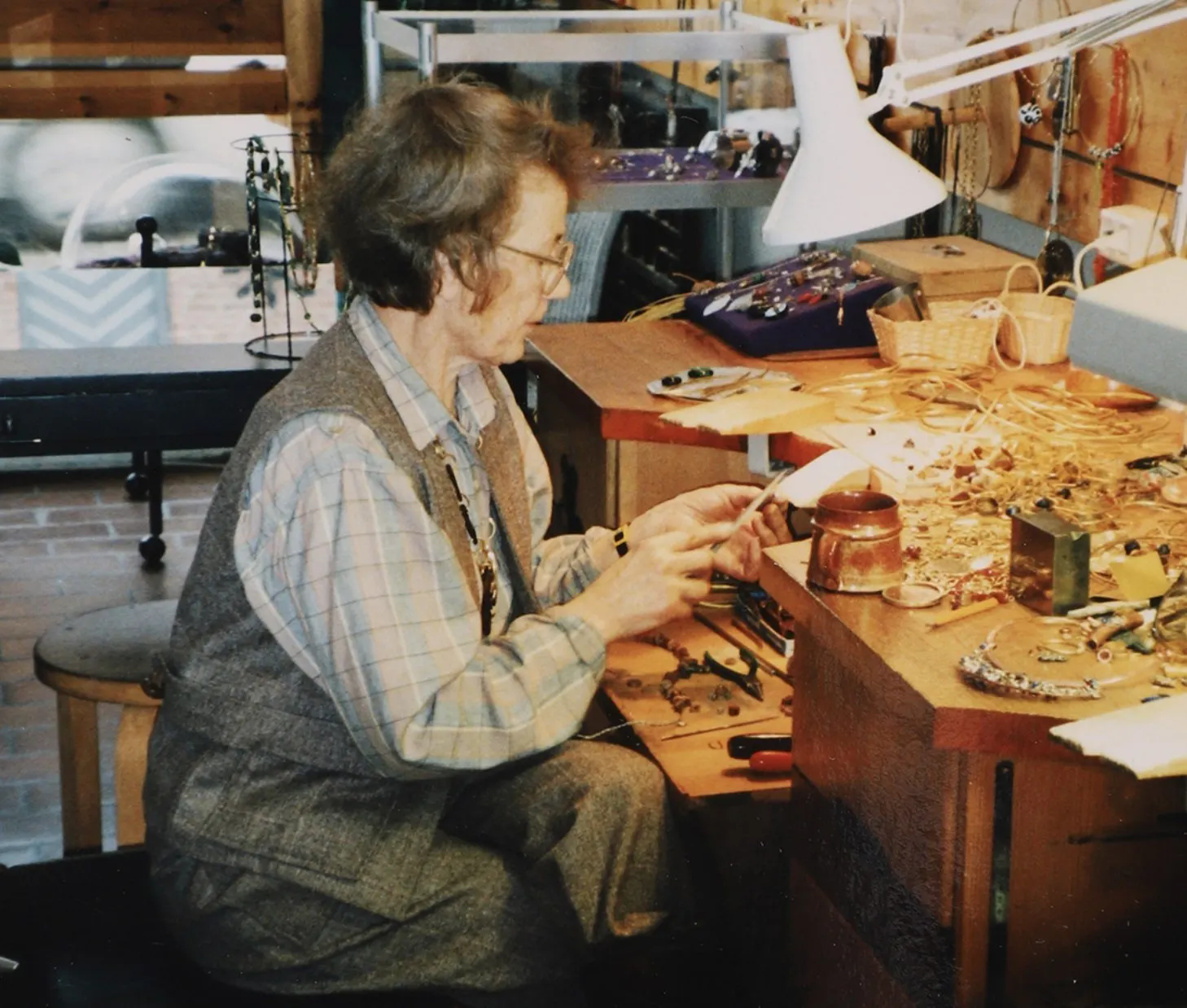
Choosing between Bali sterling silver and stainless steel as a primary material affects cost structure, product lifespan, customer perception, and long-term brand positioning in ways that go well beyond the upfront unit price. This comparison is written for brand owners deciding which material to build their core collection around, laying out the practical trade-offs of each without assuming one is universally correct for every brand.
What is the fundamental difference between these two materials?
Sterling silver, at the 925 standard commonly used in Bali production, is a precious metal alloy — 92.5% pure silver combined with other metals for durability — with intrinsic material value and a long history in fine jewellery. Stainless steel is a durable, affordable base metal widely used in fashion jewellery, valued primarily for its low cost, resistance to tarnish, and consistent appearance rather than any precious metal content. The two materials serve genuinely different market positions, and understanding that distinction is the starting point for choosing between them.
How does unit cost typically compare between the two?
Stainless steel is generally significantly less expensive per piece than sterling silver, since it does not carry precious metal value and is well suited to fully automated, high-volume manufacturing. Sterling silver’s cost is tied partly to the silver market price itself, which fluctuates, plus the labour involved in techniques like casting or hand fabrication. Brands with a lower price point strategy, or those selling extremely high volumes at thin margins, often lean toward stainless steel for this reason, while brands positioned at a higher price point can better absorb sterling silver’s higher input cost.
How does each material affect perceived product value?
Consumer perception genuinely differs between the two materials. Sterling silver carries an association with craftsmanship, heritage, and precious metal value that many customers recognise even without technical knowledge of alloy composition, while stainless steel is generally understood by consumers as a durable, practical, budget-conscious choice rather than a premium one. Brands building a story around artisan technique, gemstone settings, or a premium gifting positioning tend to align more naturally with sterling silver, referenced through techniques like filigree or granulation that are difficult to replicate meaningfully in stainless steel production.
What about durability and everyday wear?
Stainless steel resists tarnish and scratching very well under everyday wear, which is part of its appeal for customers who want low-maintenance jewellery. Sterling silver can tarnish over time with air exposure and requires occasional cleaning to maintain its finish, though this is a well-understood characteristic of genuine silver jewellery rather than a defect, and finishes like oxidized silver deliberately use tarnish-like darkening as part of the design itself. Brands should set accurate care expectations with customers regardless of which material they choose, since overstating either material’s maintenance-free qualities can lead to disappointed customers later.
Does allergy sensitivity factor into the material decision?
Both materials are generally considered reasonable options for sensitive skin compared to lower-quality base metal alloys, though individual sensitivity varies and neither material should be marketed as guaranteed hypoallergenic without appropriate qualification, since reactions depend on individual skin sensitivity and exact alloy composition. Brands making claims about skin sensitivity should be precise and avoid overstating guarantees that cannot be verified for every customer’s individual skin type.
How does each material affect long-term brand positioning?
A brand’s material choice sends a signal about where it sits in the market. Sterling silver supports a positioning built around craftsmanship, gift-worthiness, and a product that feels like it holds value over time, which can support higher price points and a slower, more considered purchase decision from customers. Stainless steel supports a positioning built around accessibility, trend-driven fast fashion jewellery, and volume sales, where price sensitivity and rapid product turnover matter more than perceived heirloom value. Neither positioning is inherently better — they serve different business models and different customer expectations.
Can a brand use both materials within the same product line?
Yes — some brands use sterling silver for a premium tier of their collection and stainless steel for a more accessible entry tier, giving customers a range of price points within the same brand identity. This approach requires clear labelling and consistent quality standards across both material tiers so customers understand exactly what they are buying at each price point, rather than assuming uniform material quality across a mixed-material catalogue.
What should a new brand consider before committing to one material?
Brands should think through their target customer’s price sensitivity, how central “premium” or “artisan” positioning is to their brand story, and their expected order volume, since minimum order quantities and production approach differ meaningfully between fine jewellery techniques used for silver and the automated processes typical of stainless steel manufacturing. A brand still testing its market may benefit from a small trial order in sterling silver to gauge customer response to a premium positioning, before committing to a larger production run in either material.
How does gold-plated jewellery fit into this comparison?
Beyond plain sterling silver and stainless steel, many brands also consider gold-plated silver as a third option, which applies a layer of gold over a sterling silver base to achieve a gold appearance at a lower cost than solid gold. Gold-plated silver sits closer to sterling silver in terms of production process and craftsmanship story, since the base metal is still precious, while offering a different visual finish than plain silver. Brands drawn to a warmer, gold-toned aesthetic but still wanting the underlying value and craftsmanship story of silver production often find gold-plated silver a middle path between plain sterling silver and stainless steel.
What minimum order and lead time differences should brands expect between materials?
Because sterling silver production in Bali typically involves more hands-on craftsmanship — casting, hand fabrication, stone setting, and finishing — minimum order quantities and lead times are generally tied to the complexity of the specific design rather than a fixed volume threshold, and are confirmed in writing per design. Brands considering stainless steel production through other manufacturing channels should expect a different cost and volume structure entirely, typically oriented around larger automated production runs. Brands weighing both materials should request comparable quotes for the same design concept where possible, to see how the numbers actually compare for their specific product rather than relying on general assumptions about either material.
Does marketing language need to differ between the two materials?
Yes, meaningfully. Marketing sterling silver can reasonably lean on craftsmanship, heritage, and material value, since these attributes are genuinely tied to the product. Marketing stainless steel jewellery as artisan-crafted or precious would misrepresent the product to customers, since stainless steel jewellery is typically produced through automated processes rather than hand craftsmanship. Brands should ensure their marketing claims match the actual production reality of whichever material they choose, both to maintain customer trust and to avoid misleading claims that could damage brand credibility over time.
To discuss sterling silver production options and get a written quote for your product line, contact the Bali Premium Trip team on WhatsApp at +62 811-3941-4563 or email [email protected].