Comparing Bali silver jewelry exporters against Chinese manufacturers in 2027 comes down to a few factors that matter differently depending on your brand: craftsmanship style and technique, minimum order quantities, production lead time, and how each sourcing region fits your specific product positioning. Neither region is universally “better” — Bali and China serve different segments of the silver jewelry market, and the right choice depends on what your brand is actually trying to build.
How does craftsmanship differ between Bali and Chinese silver jewelry production?
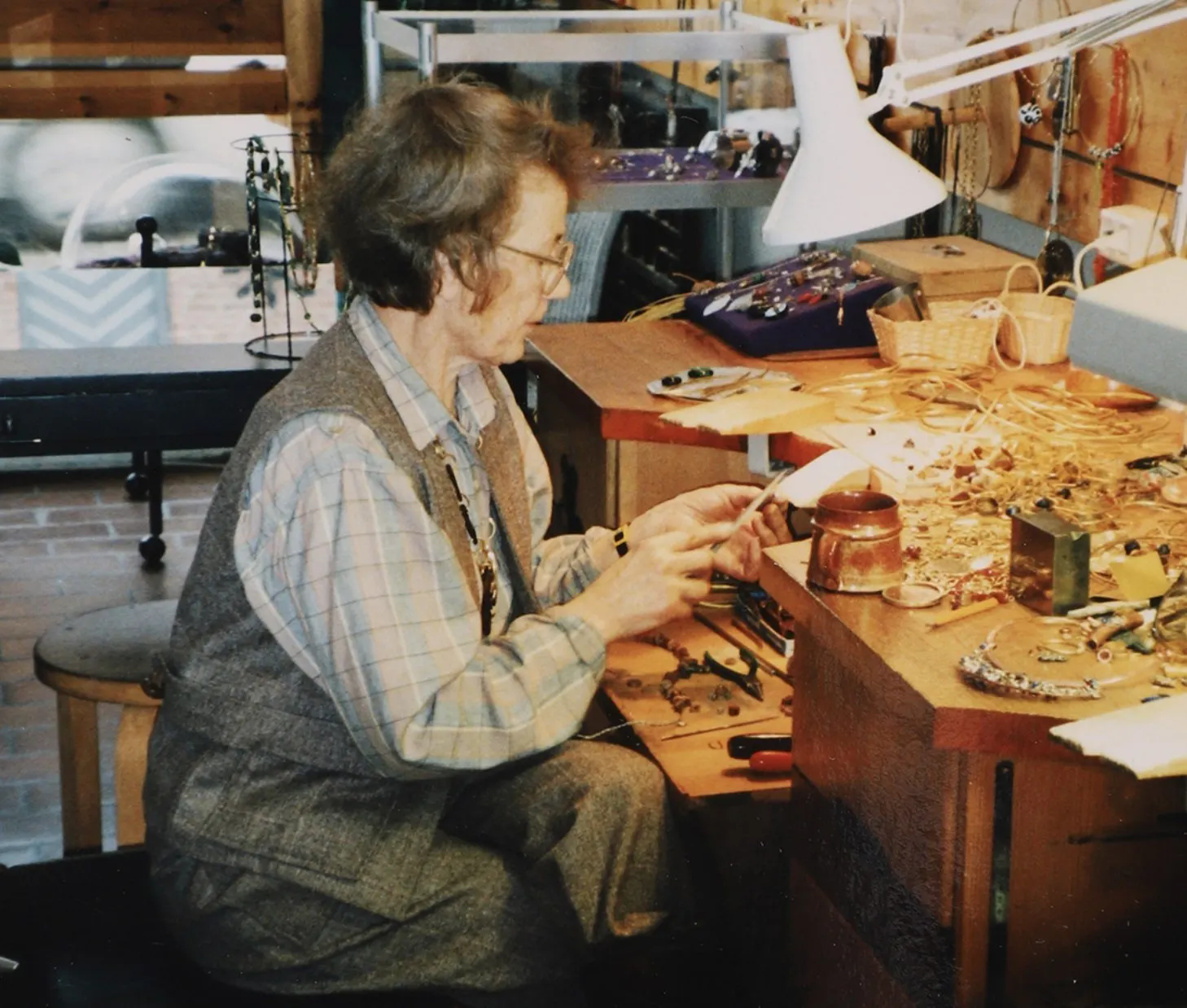
Bali’s silver industry, concentrated in Celuk, is known for handmade and hand-finished techniques — filigree, granulation, and detailed hammered or oxidized finishes — that carry a distinct artisanal character difficult to replicate at fully mechanized scale. Chinese manufacturing, particularly in established jewelry manufacturing clusters, tends to be stronger on highly consistent, machine-assisted production at large scale, which suits brands prioritizing uniformity across very large batches over handmade character. Brands positioning around craft authenticity and artisanal story often lean toward Bali; brands prioritizing maximum consistency at high volume often lean toward China — though this is a generalization, and quality varies significantly by individual workshop or factory in both regions.
How do MOQs typically compare?
Minimum order quantities in both regions depend heavily on the specific workshop or factory, the product design, and the production method involved, so broad claims about one region having universally lower MOQs than the other should be treated with caution. What tends to differ more consistently is production structure: Bali’s Celuk-based workshops often accommodate smaller, more design-varied orders suited to boutique and private-label brands, while very large-scale Chinese manufacturing facilities are frequently structured around higher-volume production runs. Buyers should confirm actual MOQ figures in writing for their specific design in either region rather than relying on general assumptions about which region is more accessible for smaller brands.
What about lead time differences?
Lead time in both regions depends on order complexity, current production queue, and whether a design requires new sampling or is a straightforward reorder of an existing piece. For more detail on how production timing works specifically for Bali-sourced orders, see Bali silver jewelry production lead time. Neither region can promise a universally faster timeline — a simple design reorder from an established relationship in either country can move relatively quickly, while a complex new custom design with multiple sample rounds takes longer regardless of which region is producing it.
How does cost structure compare between the two regions?
Direct cost comparisons between Bali and Chinese silver jewelry are difficult to generalize accurately, since pricing depends on metal weight, technique complexity, order volume, and current material costs, all of which vary by specific order rather than by country alone. Buyers evaluating both regions for the same product should request comparable quotations — same design specification, same quantity — from both sourcing options rather than comparing published price ranges that may not reflect equivalent products or production methods.
What about material standards — 925 silver in Bali vs. China?
Sterling silver at 925 purity is an internationally recognized standard used by reputable producers in both Bali and China, so the alloy standard itself is not inherently a differentiator between the two regions — what matters is verifying the specific supplier’s actual compliance with that standard, regardless of country. Buyers comparing options in either region should ask for the same alloy verification approach discussed for 925 vs 999 fine silver sourcing, since assuming a stated alloy grade without verification carries the same risk no matter where the product is made.
Is Bali silver a good alternative to generic Alibaba sourcing?
For brands that have relied on broad Alibaba-style sourcing and want more differentiated design or a stronger craft narrative for their brand, Bali offers a meaningfully different value proposition rather than being simply a cheaper or more expensive alternative on the same axis. Buyers weighing this specific comparison can review Bali silver wholesale vs Alibaba suppliers for a more detailed look at how sourcing through a dedicated desk differs from browsing an open marketplace of unverified sellers.
Which brands tend to choose Bali over Chinese manufacturing?
Brands building a craft-forward, artisanal, or boutique identity, and buyers who value design flexibility and smaller-batch OEM development over maximum production scale, tend to gravitate toward Bali sourcing. Brands optimizing purely for lowest unit cost at very high volume, with less emphasis on handmade character, more often evaluate large-scale Chinese manufacturing. Many established jewelry brands actually use both regions for different product lines within the same catalog, matching each sourcing region to the products it serves best rather than treating the choice as exclusive.
Does AI-supported cost analysis change how brands compare sourcing regions?
More brands are now using AI tools to model landed cost scenarios across sourcing regions — combining unit price, shipping, duty, and inventory carrying cost into a single comparison rather than looking at unit price alone. This is a useful discipline regardless of which region you are evaluating, since a lower quoted unit price from one region can be offset by longer lead times that increase inventory holding cost, or by higher shipping and duty costs that a simple price-per-piece comparison misses. Brands running this kind of analysis should still base the inputs on real, written quotations from each sourcing option rather than estimated figures, since AI modeling is only as accurate as the data fed into it.
What about stainless steel or alternative metal alternatives to silver?
Some brands comparing sourcing regions are also evaluating whether to use base metals like stainless steel instead of sterling silver, particularly for lower price-point product lines. This is a separate decision from the Bali-versus-China sourcing question, since both regions can produce either metal type, but it is worth clarifying early which metal category you are actually comparing, since mixing up a silver-versus-steel cost comparison with a Bali-versus-China sourcing comparison can lead to misleading conclusions. For brands specifically weighing this, Bali silver vs stainless steel covers that separate decision in more depth.
Can a brand test both sourcing regions before committing?
Yes, and this is a common approach for brands genuinely undecided — ordering a small sample batch from a Bali workshop and a comparable batch from a Chinese manufacturer for the same or similar design, then evaluating actual received quality, communication experience, and total landed cost before committing volume to either region. This costs more upfront than picking one region on assumption, but it replaces general comparisons like this article with direct, product-specific evidence relevant to your own brand’s needs.
Comparing sourcing options for your brand? Discuss your specific design and volume needs with BD Juara Holding Group via WhatsApp at +62 811-3941-4563 or email [email protected].