Ten gemstones account for the overwhelming majority of stone-set silver jewelry leaving Bali: amethyst, labradorite, moonstone, black onyx, turquoise, garnet, mother of pearl, blue topaz, citrine, and peridot. In our own export ledger, typically 60–70% of wholesale orders shipped from Celuk Village include at least one gemstone piece, and these ten stones cover roughly 90% of those requests.
This Bali silver gemstones guide profiles all ten stones the way a buyer needs them profiled: what each stone looks like, its Mohs hardness, how Celuk silversmiths typically set it, what it does to your wholesale price per piece, how your retail customers should care for it, and which pairing sells best. Whether you run a boutique in Austin, an online store in Amsterdam, or a resort shop in Dubai, this is the reference we wish every first-time buyer read before requesting a quote from a wholesale Bali silver jewelry supplier.
What Gemstones Are Used in Bali Silver Jewelry?
The gemstones most commonly used in Bali silver jewelry are amethyst, labradorite, rainbow moonstone, black onyx, turquoise, garnet, mother of pearl, blue topaz, citrine, and peridot — all set into handmade 925 sterling silver bases. Opal, blue chalcedony, and lava stone appear as secondary options; we maintain a dedicated Bali opal silver jewelry line for buyers who want fire-play stones.
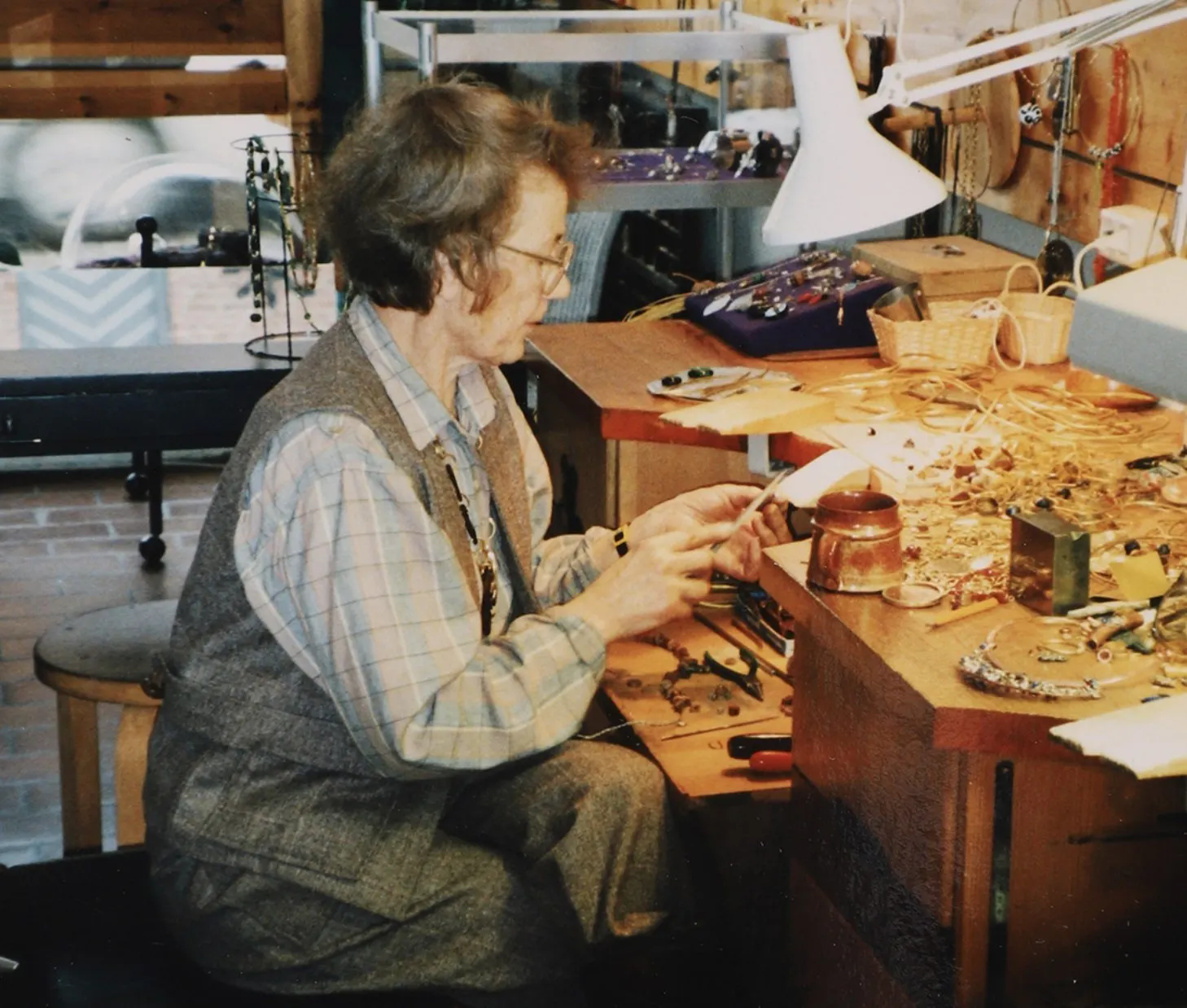
One honest point most suppliers skip: Bali itself is not a major gemstone-mining region. The gemstones in Bali silver jewelry are largely imported rough or pre-cut — amethyst and citrine typically from Brazil and Zambia, labradorite from Madagascar, moonstone from India and Sri Lanka, garnet from India and Mozambique, and peridot from China, Pakistan, or the USA. What Indonesia does supply directly is mother of pearl, harvested from pearl-farming waters around Lombok, Sulawesi, and Papua, plus volcanic lava stone from Java and Bali. So when a supplier claims “Balinese gemstones,” what they really mean — and what makes the jewelry special — is Balinese stonework: hand-cut bezels, granulation halos, and filigree frames applied to imported stones by artisans whose families have set stones for three or four generations. Our stone-setting and QC lead, Ni Luh Putu Ayu Kartini, personally checks every stone seat before an order is packed.
How Gemstones Change Wholesale Pricing
A gemstone typically adds 5–40% to the wholesale price of a comparable plain silver piece, driven by three factors: the stone’s material cost, the setting labor, and the rejection rate during quality control. In gemstone silver jewelry wholesale pricing, the silver base is calculated per gram against the silver spot price (see our 2027 per-gram cost breakdown), while the stone is added as a per-unit cost — anywhere from around $0.30 for a small calibrated onyx cabochon to $8–15 for a fine blue-flash moonstone, as of 2027 market conditions.
Setting labor matters more than most buyers expect. A simple bezel adds roughly 10–15 minutes of bench time; a granulation-framed bezel in the traditional jawan style can add 45–90 minutes — watch Ni Wayan Seniasih place forty individual silver granules around a single moonstone with a wax-tipped pick and you understand where the money goes. That is why two rings holding the same $2 amethyst can differ by $4–6 at wholesale. As a rule of thumb across our catalog, expect stone-set pieces to land 15–25% above their plain-silver equivalents, with turquoise and fine moonstone at the top of the range and onyx and mother of pearl at the bottom.
The 10 Gemstones of Bali Silver: Full Profiles
1. Amethyst
Amethyst is the purple variety of quartz, ranging from pale lilac to deep royal purple, and it is the single most requested faceted stone in our Bali amethyst silver jewelry wholesale line. February’s birthstone gives retailers a built-in gifting angle, and its color holds up beautifully against both bright and oxidized silver.
- Mohs hardness: 7 — durable enough for daily-wear rings.
- Typical setting: faceted ovals and rounds in prong or bezel settings; cabochons in bezels for boho lines.
- Wholesale price impact: typically +10–20% over plain silver; calibrated stones run around $0.50–$2 each as of 2027.
- Care: warm soapy water and a soft brush; avoid prolonged direct sunlight, which can fade the purple over time.
- Bestseller pairing: amethyst with turquoise in mixed-stone earrings, or amethyst solitaires framed in filigree.
2. Labradorite
Labradorite is a gray-green feldspar that flashes electric blue, gold, and green when the light hits — an effect called labradorescence. No two cabochons are alike, which is exactly why our labradorite silver jewelry wholesale collection is a repeat-order favorite for boutiques selling “one of a kind” stories at accessible prices.
- Mohs hardness: 6–6.5 — fine for pendants and earrings; recommend bezels for rings.
- Typical setting: freeform and oval cabochons in full bezels, often with rope-twist or granulated borders.
- Wholesale price impact: typically +15–25%; strong blue-flash grades command 30–50% more than standard gray material.
- Care: soft cloth only; no ultrasonic cleaners, which can exploit the stone’s internal cleavage planes.
- Bestseller pairing: labradorite with black onyx in two-stone pendants — the flash against matte black is a proven seller.
3. Moonstone (Rainbow, Blue & White)
Moonstone is the signature stone of Balinese silverwork — the milky glow (adularescence) suits the island’s granulated, celestial-leaning designs better than any other gem. Our moonstone silver jewelry wholesale range covers three grades: rainbow moonstone (white body with blue-violet sheen, technically a white labradorite), blue-flash moonstone (the premium grade), and opaque white or peach moonstone (the budget grade).
- Mohs hardness: 6–6.5, with cleavage — always bezel-set, never tension-set.
- Typical setting: round and pear cabochons in bezels ringed with jawan granulation halos.
- Wholesale price impact: rainbow typically +20–35%; strong blue-flash stones can add $8–15 per piece; white moonstone +10–20%.
- Care: no ultrasonic or steam; wipe with a damp cloth; protect from hard knocks.
- Bestseller pairing: turquoise moonstone ring wholesale orders are our #1 mixed-stone request; moonstone labradorite bracelet wholesale designs rank a close second.
4. Black Onyx
Black onyx is a uniformly black chalcedony — commonly color-enhanced, which is standard and accepted industry practice — and it is the backbone of men’s silver jewelry worldwide. Our black onyx silver jewelry production runs year-round because it feeds both the men’s collection and minimalist women’s lines.
- Mohs hardness: 6.5–7 — one of the most durable stones on this list.
- Typical setting: flat or low-dome cabochons in signet rings, flush inlay panels, and clean modern bezels.
- Wholesale price impact: the lowest of the ten — typically +5–15%; small calibrated cabochons cost well under $1 as of 2027.
- Care: very forgiving; warm soapy water is fine, but avoid acetone and harsh solvents that could affect the color treatment.
- Bestseller pairing: men’s onyx signet rings paired with hammered bands; onyx with labradorite in unisex pendants.
5. Turquoise
Turquoise’s opaque sky-blue to green-blue color is the strongest visual seller in the entire boho category, and our turquoise silver jewelry wholesale Bali line pairs it with oxidized, tribal-textured silver for maximum contrast. Most commercial turquoise is stabilized (resin-hardened) — a legitimate treatment that makes the naturally porous stone viable for daily wear; we disclose treatment status on every quote.
- Mohs hardness: 5–6 — the softest crystalline stone here; bezels are mandatory.
- Typical setting: bezel-set cabochons on oxidized silver; carved and inlay work for statement cuffs.
- Wholesale price impact: stabilized material typically +15–30%; natural untreated turquoise can add 50–100% and is quote-only.
- Care: keep away from perfume, oils, and hot water; the stone is porous and absorbs liquids; wipe dry after wear.
- Bestseller pairing: turquoise with moonstone in rings, and amethyst turquoise earrings wholesale sets for festival-season retail.
6. Garnet
Garnet — in Bali work, almost always the deep wine-red almandine variety — reads as luxurious against bright silver and photographs exceptionally well for e-commerce. The Bali garnet silver jewelry wholesale collection peaks every Q4: January’s birthstone plus the red-and-silver holiday palette makes it a reliable seasonal buy.
- Mohs hardness: 6.5–7.5 depending on variety — solidly ring-safe.
- Typical setting: small faceted rounds (2–4mm) in prong clusters, bezel-set ovals, and granulation-accented studs.
- Wholesale price impact: typically +10–20%; calibrated almandine is one of the best value faceted reds in the market.
- Care: warm soapy water; avoid steam cleaning and sudden temperature swings.
- Bestseller pairing: garnet stud earrings with jawan granulation borders; garnet and citrine mixed pendants for autumn collections.
7. Mother of Pearl
Mother of pearl (MOP) is the iridescent nacre lining of oyster shells, and it is the one material on this list genuinely sourced from Indonesian waters — principally Lombok, Sulawesi, and Papua pearl farms. Our mother of pearl silver jewelry Bali pieces sell strongly to coastal and resort boutiques, and Indonesia sterling silver and pearl jewelry wholesale requests have grown noticeably since 2025 as buyers look for traceable, ocean-origin materials.
- Mohs hardness: 2.5–4.5 — the softest entry here; treat it like shell, not stone.
- Typical setting: flat-panel bezels, flush inlay, and carved discs in pendants and earrings; rarely rings.
- Wholesale price impact: typically +5–15% — excellent margin material for lightweight statement pieces.
- Care: no chemicals, perfume, or ultrasonic; wipe with a barely damp soft cloth and store separately to prevent scratching.
- Bestseller pairing: MOP moons and stars in celestial collection pendants; MOP inlay cufflinks for men.
8. Blue Topaz
Blue topaz delivers the brightest, most saturated sparkle of any stone in Bali silverwork — sky blue, Swiss blue, and the deep teal London blue. Nearly all commercial blue topaz is irradiated and heat-treated colorless topaz, a stable, universally accepted treatment. It is the “affordable aquamarine” that lets a $30 retail ring look like a $300 one.
- Mohs hardness: 8 — the hardest stone on this list, though its cleavage means it should still be protected from sharp knocks.
- Typical setting: faceted ovals, rounds, and emerald cuts in prong or clean bezel settings; statement cocktail rings.
- Wholesale price impact: typically +20–40% — the highest routine uplift here; London blue grades sit at the top.
- Care: warm soapy water; avoid steam cleaners and prolonged intense sunlight.
- Bestseller pairing: a single London blue oval framed with silver rava beadwork — our most reordered statement ring since 2026.
9. Citrine
Citrine is the golden-yellow to honey-orange quartz that warms up a silver line — and an important disclosure: much commercial citrine is heat-treated amethyst, which is standard trade practice and does not affect durability. November’s birthstone pulls steady year-round demand with a Q4 spike of roughly 30–40% in our order data.
- Mohs hardness: 7 — identical to amethyst; safe for everyday rings.
- Typical setting: faceted rounds and cushions in bezels; checkerboard-cut statement stones for cocktail rings.
- Wholesale price impact: typically +10–20%, in line with amethyst; deep “Madeira” orange grades cost more.
- Care: warm soapy water; like amethyst, keep out of prolonged direct sun to preserve color.
- Bestseller pairing: citrine and white moonstone drop earrings — the warm-cool contrast consistently outsells single-stone versions.
10. Peridot
Peridot is the vivid olive-to-lime green gem of the olivine family, formed in volcanic rock — a nice storytelling match for volcanic Bali, even though commercial material is typically mined in China, Pakistan, Myanmar, or Arizona. August’s birthstone gives green-loving customers an option far below emerald pricing.
- Mohs hardness: 6.5–7 — ring-viable, but bezels extend life significantly.
- Typical setting: small faceted rounds (2–5mm) as accents, bezel-set solitaires, and multi-stone bar pendants.
- Wholesale price impact: typically +15–30%; clean stones above 5mm jump in price quickly, so most Bali designs stay small.
- Care: sensitive to acids and thermal shock — no ultrasonic, no steam, no household cleaners; soapy lukewarm water only.
- Bestseller pairing: peridot studs alongside minimalist stacking rings — a clean, giftable duo for under $25 landed cost.
Gemstone Comparison Table: Hardness, Setting, Price & Care
Use this table as a one-glance sourcing sheet: Mohs hardness tells you where the stone can live (rings need 6.5+, ideally bezel-set below 7), and the price-impact column tells you what the stone does to your landed cost versus a plain silver equivalent.
| Gemstone | Mohs | Signature Look | Typical Setting | Price Impact* | Ultrasonic Safe? |
|---|---|---|---|---|---|
| Amethyst | 7 | Lilac to deep purple, faceted | Prong / bezel | +10–20% | Usually |
| Labradorite | 6–6.5 | Gray with blue-gold flash | Bezel cabochon | +15–25% | No |
| Moonstone | 6–6.5 | Milky glow, blue sheen | Bezel + granulation | +10–35% | No |
| Black Onyx | 6.5–7 | Uniform matte-gloss black | Bezel / inlay / signet | +5–15% | Usually |
| Turquoise | 5–6 | Opaque sky blue | Bezel on oxidized silver | +15–30% | No |
| Garnet | 6.5–7.5 | Deep wine red, faceted | Prong cluster / bezel | +10–20% | Usually |
| Mother of Pearl | 2.5–4.5 | Iridescent white shell | Flat bezel / inlay | +5–15% | No |
| Blue Topaz | 8 | Brilliant sky to teal blue | Prong / bezel, faceted | +20–40% | With care |
| Citrine | 7 | Golden yellow, faceted | Bezel / prong | +10–20% | Usually |
| Peridot | 6.5–7 | Vivid olive green | Small facets / accents | +15–30% | No |
*Typical uplift versus a comparable plain 925 silver piece at wholesale, as of 2027; exact figures depend on stone grade, size, and setting complexity.
Bestselling Gemstone Pairings for Wholesale Buyers
Mixed-stone designs outsell single-stone designs in our export data — multi-gemstone pieces have made up roughly 55–60% of stone-set reorders since 2026, because one SKU serves several customer tastes at once. These are the four pairings buyers reorder most, and Bali silver wholesale mixed gemstone jewelry programs are usually built around them:
- Turquoise + moonstone: the classic boho combination — turquoise moonstone ring wholesale orders are our single most requested mixed-stone SKU, typically in a double-bezel band with granulation between the stones.
- Labradorite + black onyx: the labradorite onyx pendant wholesale bestseller pairs blue flash against matte black on an oxidized chain — strong with urban and minimalist boutiques.
- Amethyst + turquoise: amethyst turquoise earrings wholesale sets deliver purple-and-blue color pop that photographs superbly for Instagram-led stores.
- Moonstone + labradorite: the “sister feldspars” — a moonstone labradorite bracelet alternates glowing white and flashing gray stones along a chain or bangle; a reliable $18–30 retail price-point piece.
All four pairings can be produced in any of our traditional Balinese techniques — filigree frames by masters like I Made Sudarta, or granulated halos in the style Ni Wayan Seniasih has practiced for 25 years — so the same stones can read boho, celestial, or minimalist depending on your store’s identity.
How to Order Gemstone Silver Jewelry Wholesale from Bali
Ordering stone-set pieces works exactly like ordering plain silver — MOQ from around $200 for a first order, samples of 10–20 pieces available, 50% deposit, and insured DHL/FedEx air freight arriving in 5–10 days — with one addition: specify your stones, grades, and treatments on the quote request. In 2026 we handled 45+ wholesale inquiries from buyers in 15+ countries, and stone-set items appeared on the majority of those orders.
Most buyers structure a first gemstone order across categories: Bali silver wholesale gemstone rings (the volume category — typically 40–50% of units), Bali silver wholesale gemstone earrings (studs and drops, the best margin per gram), and Bali silver wholesale gemstone necklaces and pendants (the display anchors). Within earrings, wholesale Bali silver drop earrings gemstone styles — moonstone and labradorite especially — outperform studs in boho-positioned stores, while a wholesale Bali silver gemstone choker with bezel-set turquoise or MOP works as the lookbook hero piece. For men’s ranges, the men’s gemstone ring wholesale Bali buyers request most is a black onyx signet, followed by men’s silver gemstone earrings wholesale in small onyx or hematite-look studs.
Three practical tips from our export desk: first, browse the catalog and price list before requesting a quote so you can reference SKU codes. Second, if you need custom stone cuts, colors, or private-label branding, our OEM and private label service covers CAD design through calibrated stone sourcing — sampling typically takes 2–3 weeks. Third, review the import guide for your market: stone-set silver ships under the same HS Code 7113.11 as plain silver in most jurisdictions, so gemstones typically add no customs complexity.
Frequently Asked Questions
What gemstones are commonly used in Bali silver jewelry?
The ten most common are amethyst, labradorite, moonstone, black onyx, turquoise, garnet, mother of pearl, blue topaz, citrine, and peridot. Together they cover roughly 90% of stone-set wholesale orders from Celuk Village workshops, with moonstone, turquoise, and onyx the three highest-volume stones in our own export data.
What gemstones come from Bali, Indonesia?
Bali itself mines very few gemstones. Indonesia’s genuine local contributions are mother of pearl and pearls from Lombok, Sulawesi, and Papua waters, plus volcanic lava stone. Stones like amethyst, moonstone, and labradorite are imported from Brazil, India, Sri Lanka, and Madagascar, then cut, set, and finished by Balinese silversmiths — the craftsmanship, not the mining, is what makes the jewelry Balinese.
Are the gemstones in Bali silver jewelry natural or synthetic?
Reputable exporters use natural stones with standard, disclosed treatments: stabilization for turquoise, color enhancement for black onyx, irradiation for blue topaz, and heat treatment for much citrine. These treatments are accepted industry-wide (organizations like GIA document them as standard practice). Always ask your supplier to state treatments in writing on the quotation — we do this by default.
Which gemstone adds the least to wholesale cost?
Black onyx and mother of pearl, which typically add just 5–15% over a comparable plain silver piece. Small calibrated onyx cabochons cost well under $1 per stone as of 2027, making onyx the best entry point for testing stone-set jewelry in your store.
Can I mix different gemstones in one wholesale order?
Yes — mixed orders are the norm, not the exception. Most buyers combine 3–5 stones across rings, earrings, and pendants within a single MOQ from around $200. You can also order the same design in multiple stone options, which is the most efficient way to test which colors sell in your market.
How should retailers care for gemstone silver jewelry?
Sell every piece with a simple care card: soft stones (turquoise, mother of pearl, moonstone, labradorite) get a soft dry or barely damp cloth only — never ultrasonic cleaners, perfume contact, or hot water. Hard quartz stones (amethyst, citrine, onyx) tolerate warm soapy water. The silver itself polishes with a standard anti-tarnish cloth.
Can you cut custom gemstone shapes for private-label lines?
Yes. Through our OEM and private label program we source calibrated stones to custom sizes, shapes, and grades, matched to CAD designs. Custom-cut sampling typically takes 2–3 weeks depending on stone availability, and finished production follows the standard 50% deposit and insured air-freight terms.
This guide is maintained by the Bali Silver Export Editorial Desk, which does not publish individual bylines.
Source Bali Silver Directly from Celuk Village
Bali Silver Export connects wholesale buyers with Celuk Village artisans — 925 sterling silver, factory-direct pricing, worldwide shipping. Chat with our export team on WhatsApp or email [email protected].