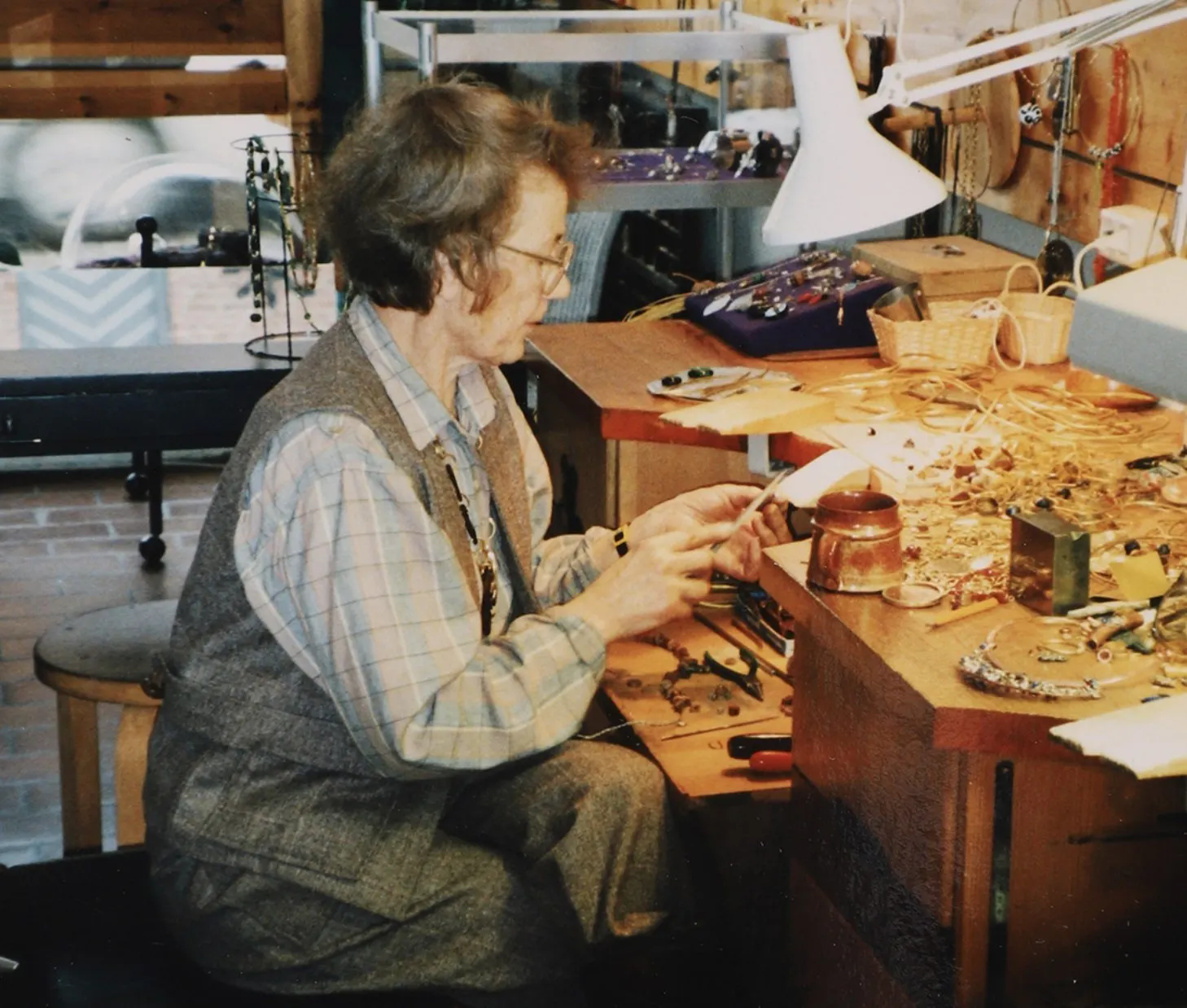
Bali Silver Export showcases the exquisite Balinese granulation and filigree techniques, particularly the ‘jawan’ method, to create striking 925 sterling silver jewelry. Originating from Celuk Village in Sukawati District, Gianyar Regency, Bali, these handcrafted pieces are renowned for their intricate detail and are available for both retail and mass export.
The Heart of Balinese Silver: Celuk Village
Celuk Village, located on Jalan Raya Celuk in the Sukawati District of Gianyar Regency, is the epicenter of gold and silver craftsmanship in Bali. Known for its traditional jewelry-making techniques, Celuk has attracted attention globally for its meticulous silverwork. The village is home to skilled artisans who specialize in creating 925 sterling silver jewelry, a hallmark of Balinese artistry.
The silver jewelry crafted in Celuk is not only appreciated for its beauty but also for its cultural significance. Visitors to the village can explore numerous workshops where artisans meticulously shape, solder, and polish each piece by hand, ensuring a unique and high-quality product. These workshops often welcome tourists, providing them with the opportunity to observe the craftsmanship that defines Balinese silverwork. Moreover, Celuk is strategically located near Ubud and Sukawati art markets, expanding its reach and influence in the Bali region.
Signature Techniques: Granulation and Filigree
The ‘jawan’ technique, known locally for its granulation process, involves creating tiny silver granules that are carefully arranged in geometric and floral patterns. This technique requires precision and patience, as each granule is placed individually to form intricate designs, making every piece of jewelry the artisan’s skill. The use of granulation dates back centuries, and Celuk artisans have mastered this craft, ensuring that each piece is both a work of art and a representation of their cultural heritage.
Filigree work, another signature Balinese technique, involves shaping fine silver wire into lace-like patterns that are soldered onto a base. This creates a delicate appearance that is both visually striking and elegant. The combination of granulation and filigree techniques results in jewelry pieces that are not only beautiful but also rich in Balinese heritage. The intricate designs often draw inspiration from nature, with patterns resembling floral motifs and natural landscapes found throughout Bali.
The Art of Exporting Balinese Silver
Balinese silver jewelry, particularly from Celuk, is categorized under the HS code 7113.11, which pertains to articles of silver jewelry. The process of exporting these exquisite pieces involves several steps and requires specific documentation. Exporters must obtain an NPWP (tax ID) and NIB (Nomor Induk Berusaha) through the OSS (Online Single Submission) system as part of their licensing requirements. These documents ensure that businesses are registered and compliant with Indonesian regulations.
In addition to these, exporters must file a PEB (Pemberitahuan Ekspor Barang) with Bea Cukai, the Indonesian customs authority. A commercial invoice, packing list, air waybill, and a Certificate of Origin (Form D/AK/AJ for FTA destinations) are also essential to ensure the smooth transit of goods. Despite the complexity, no special bullion permit is needed for finished silver jewelry, streamlining the process somewhat for businesses looking to share Balinese artistry with the world. These streamlined processes help facilitate international trade and promote Balinese culture globally.
Economic Aspects and Pricing
For the years 2026-2027, industry estimates suggest that the wholesale export pricing for plain 925 sterling silver ranges from USD 1.20 to 3.00 per gram for simple designs. More intricate pieces featuring granulation and filigree techniques are priced between USD 3 to 6 per gram. On a per-piece basis, simple rings and studs are expected to range from USD 5 to 12, while medium pendants and bracelets may cost between USD 12 to 30. These price ranges reflect the quality and craftsmanship inherent in each piece, ensuring that both artisans and consumers receive fair value.
The most complex pieces, which showcase the full extent of Balinese craftsmanship in granulation and filigree, may fetch USD 30 to 80 or more. The addition of gemstones can increase the price by USD 3 to 20 per piece, depending on the type and quality of the stone. The spot price of silver during this period is projected to be around USD 0.70 to 1.00 per gram, influencing the overall market pricing for Balinese silver jewelry. Market dynamics, including demand for Balinese designs in global markets, also play a critical role in price determination.
Market Reach and Distribution
Celuk’s silver artisans have successfully penetrated both domestic and international markets, with their products available in prominent art markets such as Ubud and Sukawati. The jewelry’s unique designs and cultural significance have made it a favorite among tourists and collectors alike, eager to own a piece of Balinese heritage. These markets serve as vital distribution hubs, where tourists can purchase authentic Balinese silver jewelry directly from the source.
The typical minimum order quantity (MOQ) for export orders stands at 50 to 100 pieces per design for simpler items like rings and earrings. For more complex or new designs, the MOQ is generally 25 to 50 pieces per design. Buyers are also expected to cover the cost of mold creation, which can vary depending on the complexity of the design. These MOQs ensure that production costs are covered, while also allowing for customization and flexibility in meeting specific buyer requirements.
Regulatory Framework and Authorities Involved
The Indonesian Directorate General of Customs and Excise, or Direktorat Jenderal Bea dan Cukai, plays a vital role in regulating the export of Balinese silver jewelry. Working alongside the Kementerian Perdagangan (Ministry of Trade) and BKPM/OSS (Investment Coordinating Board/Online Single Submission), these bodies ensure that all export activities adhere to national and international trade standards. Their oversight helps protect the integrity of Indonesian exports and supports sustainable trade practices.
Through stringent regulations and paperwork requirements, these authorities help maintain the authenticity and quality of Balinese silver jewelry on the global stage. By adhering to these established protocols, Bali Silver Export and similar businesses can efficiently reach their international clientele, promoting Balinese artistry worldwide. This framework not only facilitates business operations but also strengthens Bali’s reputation as a hub for high-quality craftsmanship.
Tourism and Cultural Significance
Celuk Village isn’t just renowned for its silver; it’s also a lively cultural destination that attracts visitors from around the globe. Tourists visiting the village often engage in guided tours that offer a glimpse into the traditional methods of silver crafting. These tours are not only educational but also provide an immersive experience into the Balinese way of life, allowing visitors to appreciate the art and dedication that goes into each piece of jewelry.
The village’s cultural significance extends beyond its craftsmanship. It plays a crucial role in Bali’s heritage, with practices passed down through generations, ensuring the continuity of skills and traditions. Festivals, local ceremonies, and daily life in Celuk reflect the deep connection between the community and their craft, further enriching the visitor experience. The synergy between tourism and local culture fosters a sustainable economy, benefiting both artisans and the community at large.
FAQs
Q? What is the ‘jawan’ technique in Balinese silver jewelry?
A The ‘jawan’ technique refers to the granulation process used by Balinese artisans, where tiny silver granules are meticulously arranged in intricate patterns. This method is a hallmark of Balinese craftsmanship, contributing to the unique aesthetic of their silver jewelry.
Q? How is Balinese silver jewelry typically priced for export?
A For 2026-2027, plain 925 sterling silver pieces are estimated to cost between USD 1.20 to 3.00 per gram for simple designs, and USD 3 to 6 per gram for more intricate pieces. On a per-piece basis, simple rings/studs range from USD 5 to 12, while complex granulated/filigree pieces may cost USD 30 to 80 or more.
Q? What documentation is needed to export Balinese silver jewelry?
A Exporting Balinese silver jewelry requires an NPWP (tax ID), NIB (business license), PEB (export declaration), commercial invoice, packing list, air waybill, and a Certificate of Origin. These documents ensure compliance with Indonesian customs and trade regulations.
For wider arrangements, our partner baliluxurytransport can coordinate end to end.
Frequently Asked Questions
What is the difference between granulation and filigree in Bali silver?
The granulation technique in Bali — jawan — builds patterns from tiny silver spheres fused onto the surface, while Balinese filigree shapes fine twisted silver wire into lace-like openwork. Many signature Celuk pieces combine both on a single design.
How can I tell authentic hand-applied jawan from a machine imitation?
Look closely at the granules: hand-applied jawan shows minute variations in granule size and spacing and softly fused joins, while machine-stamped imitations have perfectly uniform, flat-backed dots. A loupe and the .925 hallmark check settle most doubts.
Can I order custom Balinese filigree silver jewelry wholesale?
Yes — Celuk workshops take custom filigree and granulation commissions from sketches or CAD files, including OEM and private-label production. Through a wholesale Bali silver jewelry supplier, first orders start from around $500 with 10–20 piece sample sets.
How long does a granulated or filigree piece take to make?
Intricate jawan and filigree pieces typically take an artisan several days each, which is why hand-worked designs wholesale at USD 3–6 per gram — roughly double the USD 1.20–3.00 per gram of plain 925 designs.
Source Bali Silver Directly from Celuk Village
Bali Silver Export connects wholesale buyers with Celuk Village artisans — 925 sterling silver, factory-direct pricing, worldwide shipping. Chat with our export team on WhatsApp or email [email protected].