Determining the authenticity of 925 silver is crucial for collectors and retailers alike. This guide covers three essential methods to identify real 925 sterling silver: checking for stamps, performing an acid test, and using XRF verification. Understanding these techniques ensures that you are investing in genuine silver, especially when sourcing from renowned hubs like Celuk Village in Bali.
Understanding 925 Sterling Silver
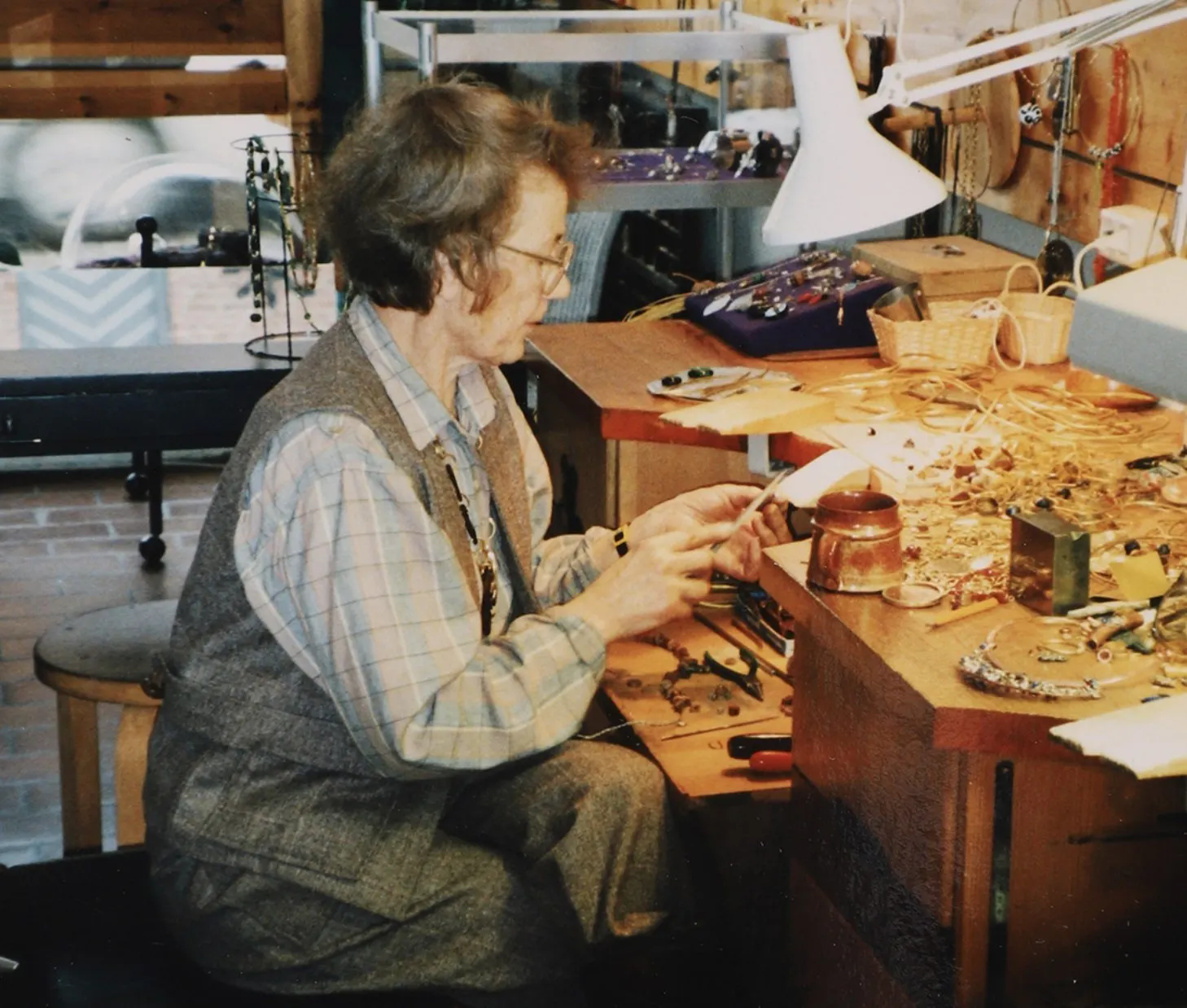
925 sterling silver is a popular alloy in the jewelry industry, composed of 92.5% silver and 7.5% other metals, typically copper. This composition enhances the metal’s durability while retaining its lustrous appearance. In Celuk Village, a renowned center in Bali for silver craftsmanship, artisans meticulously craft 925 sterling silver into intricate jewelry pieces, integrating traditional Balinese techniques like granulation and filigree.
Celuk Village, located in the Sukawati District of Gianyar Regency, Bali, has been a hub for gold and silversmiths for decades. Its artisans are celebrated for their skill in creating both retail and mass export jewelry. The village’s reputation ensures that jewelry labeled as 925 sterling silver adheres to the highest standards of authenticity and craftsmanship. The village’s strategic location on Jalan Raya Celuk provides easy access for tourists and buyers, further establishing its reputation worldwide.
The Importance of Stamps in Identifying Silver
Silver jewelry, particularly those made of 925 sterling silver, is typically stamped with a hallmark that indicates its authenticity. Look for marks such as “925”, “Sterling”, or “Ster” stamped on the piece. These marks serve as a guarantee from the manufacturer that the item is made from genuine sterling silver.
In Bali, particularly in the Celuk region, these stamps are part of the craftsmanship standard. When purchasing silver from this area, it’s essential to ensure the presence of these stamps. Additionally, the hallmarking process is regulated by international standards, providing an added layer of assurance to buyers and collectors. The stamps not only reveal the authenticity but also denote the unique artistry and cultural heritage symbolized in each piece.
Performing an Acid Test for Silver Verification
An acid test is a reliable method to verify the authenticity of 925 sterling silver. This test involves applying a small drop of nitric acid to the jewelry. Genuine 925 silver will exhibit a creamy white color upon contact with the acid, whereas non-silver metals might turn green or black. While this test is effective, it should be performed with caution and ideally by a professional to avoid damage to the item.
For businesses dealing with silver exports from Bali, conducting an acid test can be part of a quality control measure. This ensures that all exported items meet the international quality benchmarks, thereby maintaining the reputation of Bali as a premier source of authentic silver jewelry. Moreover, acid testing in conjunction with other verification methods provides a comprehensive assessment of the product’s authenticity.
XRF Verification: Advanced Technology for Assurance
X-Ray Fluorescence (XRF) is an advanced method used to verify the composition of metals, including silver. This non-destructive test provides an accurate analysis of the elemental composition of the jewelry piece without damaging it. XRF analyzers are portable and offer results in seconds, making them an excellent choice for businesses involved in high-volume silver transactions.
In Celuk Village, as the demand for authentic silver grows, more businesses are adopting XRF technology to certify their products. This technological adoption not only boosts customer confidence but also aligns with international trade practices, facilitating smoother export processes and enhancing Bali’s standing in the global market. The use of XRF technology exemplifies the blending of traditional craftsmanship with modern scientific advancements.
Exporting 925 Silver from Bali: Key Considerations
Exporting silver jewelry from Bali, especially from the artisan hub of Celuk, involves adhering to specific regulations. The export is classified under HS code 7113.11, which pertains to articles of jewelry of silver. Exporters need to secure several documents, including an NPWP (tax ID), NIB (Nomor Induk Berusaha), PEB (Pemberitahuan Ekspor Barang), a commercial invoice, a packing list, an air waybill, and a Certificate of Origin.
These documents ensure compliance with Indonesian regulations governed by bodies like Direktorat Jenderal Bea dan Cukai, Kementerian Perdagangan, and BKPM/OSS. Proper documentation not only facilitates a smooth export process but also enhances the credibility of Bali’s silver exports in the global market. The structured regulatory framework supports the integrity and growth potential of Bali’s silver industry.
Pricing and Market Dynamics of Bali Silver
The pricing of 925 sterling silver jewelry from Bali varies based on design complexity and craftsmanship. For wholesale exports, plain 925 sterling silver jewelry ranges from USD 1.20 to 3.00 per gram for simple designs. Intricate pieces featuring granulation or filigree may range from USD 3 to 6 per gram. The addition of gemstones further increases the price by USD 3 to 20 per piece, depending on the stone used.
Industry estimates for 2026-2027 suggest that simple rings or studs are priced between USD 5 to 12 per piece, while medium-sized pendants or bracelets range from USD 12 to 30. The most complex designs, featuring intricate granulation or filigree, can command prices of USD 30 to 80 or more per piece. These pricing dynamics reflect the skill and labor involved in creating these unique Balinese jewelry pieces. The spot price of silver, projected between USD 0.70-1.00 per gram, further influences these market dynamics.
Seasonal Trends in Bali’s Silver Jewelry Market
The silver jewelry market in Bali, particularly from Celuk Village, experiences seasonal fluctuations affecting both production and export volumes. Peak tourist seasons, especially from June to August and December to January, often see a surge in demand as travelers purchase silver jewelry as souvenirs. During these periods, local artisans in Celuk ramp up production to meet the increased demand, often resulting in extended workshop hours and increased employment opportunities.
Conversely, the off-peak seasons allow artisans to focus on crafting more intricate designs and experimenting with new techniques, ensuring a steady stream of innovative products. This seasonal variance not only impacts the local economy but also influences global supply chains, as exports during peak seasons cater to heightened global consumer demand. Understanding these patterns helps businesses and buyers alike to plan and strategize effectively for both purchasing and exporting Bali’s exquisite silver jewelry.
FAQs
Q? How can I ensure the silver jewelry from Celuk is genuine? A: To ensure authenticity, look for hallmark stamps such as “925” on the jewelry. Additionally, consider conducting an acid test or using XRF technology for verification. These methods are reliable in confirming the presence of real 925 sterling silver.
Q? What documents are needed to export silver jewelry from Bali? A: Essential documents include NPWP (tax ID), NIB, PEB, a commercial invoice, a packing list, an air waybill, and a Certificate of Origin. These ensure compliance with Indonesian export regulations and facilitate smooth transactions.
Q? What are the typical pricing ranges for silver jewelry from Bali? A: Pricing varies with design complexity. Simple 925 sterling silver pieces range from USD 1.20 to 3.00 per gram, while intricate designs can cost USD 3 to 6 per gram. Gemstone additions further increase the price by USD 3 to 20 per piece.
See also: What Is 925 Sterling Silver? The 2027 Buyer’s Guide for Importers, 925 vs Silver-Plated vs Fine Silver: What Wholesale Buyers Must Know · Home.
Frequently Asked Questions
What is the fastest way to test authentic Bali silver on the spot?
The 60-second check: find the .925 stamp, test with a magnet (real silver is not magnetic), and feel for warmth — silver conducts heat faster than plated brass. To test authentic Bali silver more rigorously, an acid spot test on a discreet point gives a result in about 30 seconds, and XRF delivers lab-grade purity readings in under a minute.
How do I spot fake Bali silver when buying wholesale?
Watch for four red flags: a price below the raw melt value of silver (impossible for genuine 925), a missing or blurry hallmark, flaking or color change at edges and clasps, and any magnetic attraction. The safest way to spot fake Bali silver before paying is to order a 10–20 piece sample batch and verify it independently before committing to your first bulk order.
Is XRF verification worth it for wholesale silver orders?
Yes — for orders above roughly $2,000, XRF verification is worth requesting. It is non-destructive, accurate to within about 0.5% purity, and takes seconds per piece. Reputable Bali exporters combine the .925 stamp with XRF spot-checks during wholesale quality control and can include a purity report with your shipment at little or no extra cost.
Source Bali Silver Directly from Celuk Village
Bali Silver Export connects wholesale buyers with Celuk Village artisans — 925 sterling silver, factory-direct pricing, worldwide shipping. Chat with our export team on WhatsApp or email [email protected].