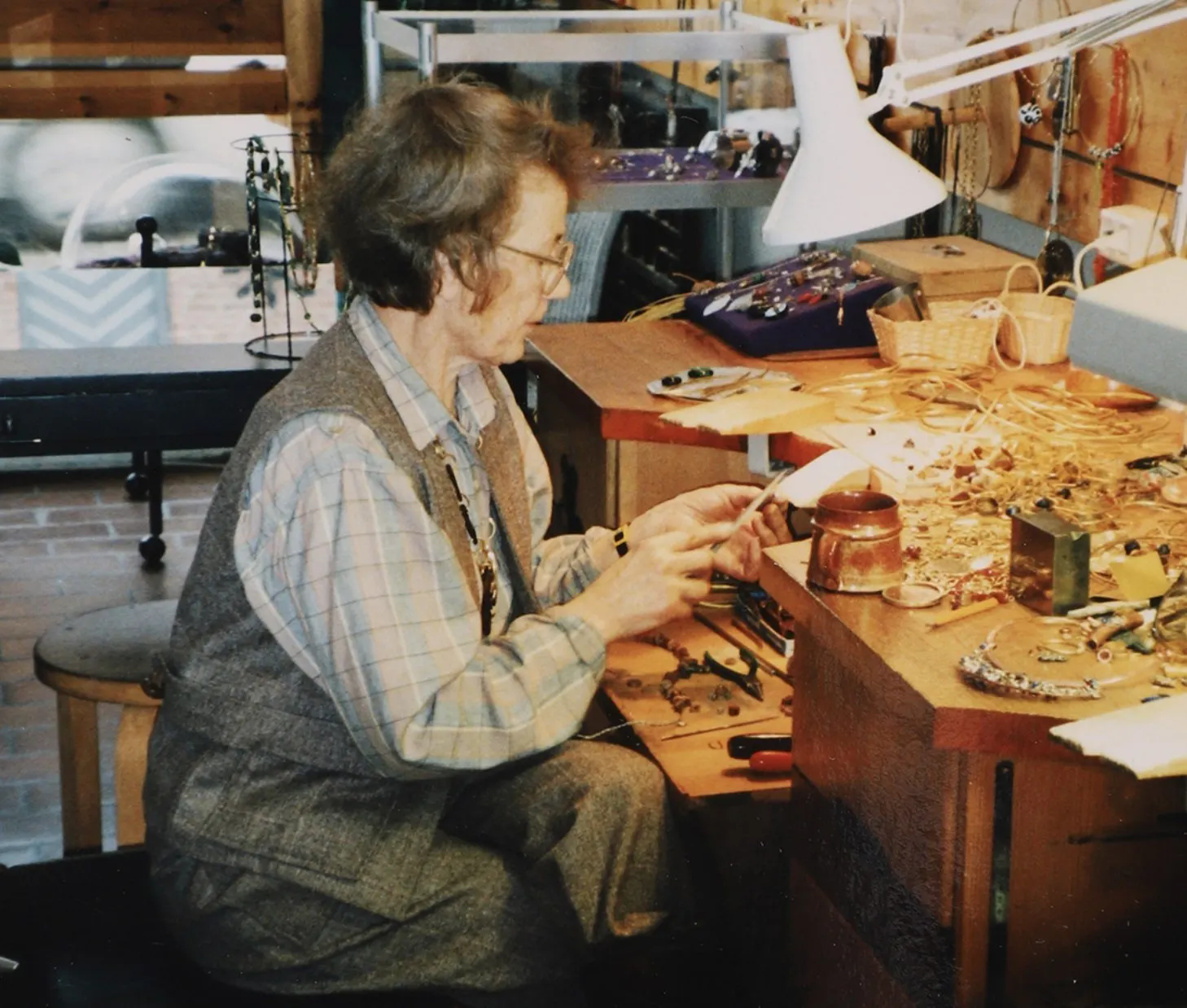
Celuk Village Bali: The Silver Capital of Indonesia
Gianyar Regency, Celuk Village Bali has earned its legendary reputation as the silver capital of Indonesia. For centuries, this remarkable village has been the epicenter of Bali’s silver jewelry industry, producing exquisite handcrafted sterling silver pieces that captivate collectors, retailers, and jewelry enthusiasts worldwide. Every narrow lane in Celuk resonates with the rhythmic tapping of silversmiths transforming raw 925 sterling silver into breathtaking works of art.
Whether you are a wholesale buyer seeking authentic Bali silver jewelry suppliers, a tourist looking for unique handmade souvenirs, or a jewelry designer searching for inspiration, Celuk Village offers an experience. This comprehensive guide explores everything you need to know about visiting, sourcing from, and understanding the rich silversmithing heritage of Celuk Village Bali.
The History and Heritage of Celuk Village Silversmithing
The tradition of silversmithing in Celuk Village dates back over 400 years, making it one of the oldest continuous metalworking communities in Southeast Asia. The craft was originally practiced by members of the Pande clan, a Balinese caste traditionally associated with metalwork and blacksmithing. These master artisans developed techniques that have been passed down through generations, creating a living tradition that continues to thrive in the modern era.
During the Dutch colonial period, Celuk’s silver artisans gained international recognition when their intricate filigree work caught the attention of European traders. The delicate granulation and wirework techniques perfected in Celuk became synonymous with Balinese craftsmanship. By the mid-20th century, Celuk Village had established itself as the premier destination for silver jewelry production in all of Indonesia, attracting buyers from Japan, Australia, Europe, and North America.
Today, approximately 80% of households in Celuk Village are involved in the silver and gold jewelry trade, either as master craftsmen, apprentices, polishers, or retailers. The village supports over 200 active workshops ranging from small family operations producing artisanal pieces to larger manufacturing facilities capable of fulfilling wholesale orders of thousands of units per month.
Traditional Silversmithing Techniques of Celuk
What sets Celuk Village silver apart from mass-produced jewelry is the remarkable range of traditional techniques still practiced by local artisans. These methods require years of apprenticeship to master and produce pieces with a distinctive character that machines simply cannot replicate.
What is Balinese silver filigree technique?
Balinese silver filigree is an ancient decorative metalwork technique where artisans draw sterling silver into extremely thin wires, sometimes as fine as 0.3mm in diameter, then twist, curl, and solder these delicate threads into intricate patterns. Celuk Village silversmiths are renowned for creating elaborate filigree designs featuring traditional Balinese motifs such as the Barong mask, lotus flowers, dragons, and geometric patterns inspired by Hindu temple carvings. Each filigree piece can take between 8 to 40 hours of painstaking handwork to complete, depending on complexity.
How does the granulation process work in Bali silver jewelry?
Granulation involves creating tiny spheres of silver, each perfectly uniform in size, and then arranging and fusing them onto a silver surface to create textured patterns and decorative elements. Celuk artisans heat small snippets of silver wire until surface tension forms them into perfect spheres, then use a traditional copper-salt and gum adhesive to position hundreds or even thousands of these granules before final firing. The result is a distinctive textured surface that catches light beautifully and adds dimensional depth to rings, pendants, earrings, and bracelets.
What is the Balinese silver repoussé method?
Repoussé is a technique where silversmiths shape flat sheets of sterling silver into three-dimensional relief designs by hammering from the reverse side using specialized tools called punches. Celuk craftsmen combine repoussé with chasing (working from the front) to create elaborate sculptural pieces featuring deities, mythological scenes, and natural motifs. This technique is commonly used for statement pendants, decorative boxes, ceremonial objects, and high-end collector pieces that command premium wholesale prices.
How is silver casting done in Celuk Village workshops?
Lost-wax casting, locally known as “cire perdue,” remains a cornerstone of Celuk Village production. Artisans carve original designs in beeswax, create plaster molds around them, then burn out the wax and pour molten 925 sterling silver into the resulting cavity. This allows for the reproduction of complex three-dimensional designs while maintaining the handcrafted quality that distinguishes Bali silver from factory-produced alternatives. Modern Celuk workshops combine traditional lost-wax casting with centrifugal casting equipment to achieve consistent quality at wholesale volumes.
Sourcing Silver Jewelry Wholesale from Celuk Village
For international buyers and retailers, Celuk Village represents one of the most competitive sourcing destinations for handcrafted sterling silver jewelry in the world. The combination of skilled labor, competitive pricing, and product variety makes it an essential stop for any serious jewelry buyer.
Wholesale pricing in Celuk typically operates on a weight-plus-labor model. The base silver price follows international spot rates for 925 sterling silver, while labor costs vary significantly based on technique complexity. Simple cast pieces may carry labor premiums of 30-50% over material cost, while elaborate filigree or granulation work can command 200-400% premiums reflecting the intensive handwork involved.
Minimum order quantities from Celuk workshops range from as few as 10 pieces for standard designs to 50-100 pieces for custom orders. Most established workshops can produce 500-2,000 pieces per month depending on design complexity, with lead times of 2-6 weeks for standard orders and 4-12 weeks for custom designs requiring new mold creation.
What quality certifications should buyers look for in Bali silver?
Reputable Celuk Village suppliers provide independent assay certificates confirming 925 sterling silver purity (92.5% pure silver, 7.5% copper alloy). Look for workshops that stamp their pieces with the “925” hallmark and can provide material test certificates from accredited Indonesian laboratories. Established exporters like Bali Silver Export also comply with international standards including nickel-free certification for European markets, lead-free compliance for US regulations, and cadmium-free assurance for global safety standards.
How do you verify authentic Celuk Village silver jewelry?
Authentic Celuk Village silver can be verified through several indicators: the 925 stamp on each piece, the weight consistency of sterling silver versus cheaper alternatives, the visible handwork characteristics such as slight variations in filigree wire placement or granulation spacing that distinguish handmade from machine-made pieces, and the supplier’s business registration with the Gianyar Regency trade office. Buyers should request workshop visits to see the production process firsthand and verify that pieces are genuinely handcrafted in Celuk rather than imported from elsewhere.
Visiting Celuk Village: A Tourist Guide
Celuk Village is located approximately 10 kilometers south of Ubud and 30 kilometers northeast of Kuta, making it easily accessible from all major tourist areas in Bali. The village sits along the main road connecting Denpasar to Ubud, marked by an iconic silver sculpture gateway that signals your arrival in Bali’s silver heartland.
The best time to visit Celuk workshops is during morning hours between 8 AM and noon, when artisans are actively working and you can observe the full range of silversmithing processes. Most workshops welcome visitors and offer free demonstrations of techniques including filigree, granulation, and lost-wax casting. Photography is generally permitted, and many workshops have English-speaking guides who can explain each production stage.
When shopping in Celuk, visitors can expect significantly better prices than resort-area jewelry shops. Retail prices in the village are typically 30-60% lower than identical pieces sold in Seminyak, Kuta, or Ubud boutiques. Bargaining is customary for retail purchases, though wholesale buyers negotiating larger quantities should expect more structured pricing discussions.
The Economic Impact of Silversmithing on Celuk Village
The silver jewelry industry generates an estimated $15-20 million annually for Celuk Village and surrounding communities, making it one of the most economically significant craft villages in Indonesia. The industry directly employs over 3,000 artisans within the village and supports an additional 5,000 jobs in related sectors including silver supply, gem sourcing, packaging, logistics, and tourism services.
In recent years, the Indonesian government has recognized Celuk Village as a national creative economy asset, providing infrastructure improvements, training programs, and export facilitation support. The village has also been designated as a cultural heritage site, ensuring that traditional silversmithing techniques are preserved and promoted for future generations.
Modern Innovation in Celuk Silver Jewelry
While honoring traditional techniques, Celuk Village workshops have embraced modern innovations to meet evolving global market demands. Many workshops now employ CAD/CAM design software to create precise prototypes before production, combine traditional handwork with modern setting techniques for gemstone jewelry, and utilize advanced quality control equipment including electronic hallmarking systems and ultrasonic cleaning technology.
The rise of e-commerce has also transformed how Celuk artisans reach international markets. Platforms like Bali Silver Export connect village workshops directly with global buyers, eliminating intermediaries and ensuring that artisans receive fair compensation for their work. This digital transformation has opened new markets in the Middle East, South America, and Africa that were previously inaccessible to small Celuk workshops.
What gemstones are commonly used in Celuk Village silver jewelry?
Celuk Village artisans work with a diverse range of gemstones to create stunning silver jewelry combinations. The most popular include Balinese blue topaz, amethyst, garnet, peridot, citrine, moonstone, turquoise, and various types of agate sourced from Java and Kalimantan. Premium collections feature sapphires, rubies, and emeralds, while fashion-forward designs incorporate Swarovski crystals and laboratory-grown gemstones. Each gemstone is hand-set using traditional bezel, prong, or channel settings that showcase both the stone and the surrounding silverwork.
Can you order custom designs from Celuk Village silversmiths?
Absolutely. Custom design capability is one of Celuk Village’s greatest competitive advantages. Most workshops accept custom orders starting from just 10-25 pieces, with the process typically involving an initial design consultation where buyers share sketches, photos, or CAD files. The workshop then creates a wax model or 3D-printed prototype for approval before beginning production. Turnaround time for custom orders ranges from 3-8 weeks depending on complexity, and workshops can typically produce matching pieces with consistent quality across runs of hundreds or thousands of units.
Sustainability and Ethical Sourcing in Celuk
The Celuk Village silver industry has made significant strides in sustainability and ethical sourcing practices. Many workshops now source recycled sterling silver, reducing environmental impact while maintaining material quality. The village’s craft-based production model inherently supports fair labor practices, as most artisans are independent craftspeople or family workshop members rather than factory workers.
Several Celuk workshops, including those partnered with Bali Silver Export, have implemented responsible sourcing certifications and can provide complete supply chain documentation for buyers requiring ethical sourcing verification. This transparency is increasingly important for international retailers serving conscious consumers who demand accountability in their jewelry supply chains.
Frequently Asked Questions About Celuk Village Bali
How do I get to Celuk Village from Ubud or Kuta?
Celuk Village is easily reached by car or motorcycle from both Ubud (approximately 20 minutes south via Jalan Raya Celuk) and Kuta (approximately 45-60 minutes northeast via the Denpasar bypass road). Most hotels can arrange private car transfers, or you can use ride-hailing apps like Grab and Gojek. The village is well-signposted along the main Denpasar-Gianyar highway, with the distinctive silver sculpture gateway marking the entrance to the main workshop and retail area.
What is the minimum order for wholesale silver from Celuk?
Minimum wholesale orders from Celuk Village workshops typically start at 10-25 pieces per design for standard catalog items and 50-100 pieces per design for custom orders. Total minimum order values vary by workshop but generally range from $200-500 for small buyers to $1,000-5,000 for established wholesale accounts. Larger workshops serving international brands may require minimum orders of $5,000-10,000 per shipment. Bali Silver Export offers flexible minimums starting from just 10 pieces to help new buyers test the market before committing to larger volumes.
Is Celuk Village silver jewelry real 925 sterling silver?
Reputable Celuk Village workshops produce genuine 925 sterling silver jewelry containing 92.5% pure silver and 7.5% copper alloy, the international standard for sterling silver. Each piece should bear the “925” hallmark stamp, and established suppliers provide assay certificates from accredited laboratories confirming purity. However, as with any sourcing destination, buyers should exercise due diligence by working with verified suppliers, requesting material certificates, and conducting spot-check testing on received orders to ensure consistent quality.
What are the export shipping options from Bali to international destinations?
Silver jewelry exports from Celuk Village can be shipped via multiple channels including DHL, FedEx, and UPS for express delivery (3-7 business days to most international destinations), sea freight for large wholesale orders (4-8 weeks), and postal service for smaller packages. All exports require proper customs documentation including commercial invoices, packing lists, and certificates of origin. Established exporters like Bali Silver Export handle all documentation, customs clearance, and insurance arrangements, providing door-to-door delivery service with full tracking and insurance coverage for shipments worldwide.
Explore More from Bali Silver Export
Sourcing Celuk Village silver wholesale? Bali Silver Export — wholesale Bali silver jewelry supplier works factory-direct with the artisan families of Celuk, Gianyar — the village where Bali silver is made. Message our export team on WhatsApp or email [email protected] for catalogs, samples of 10–20 pieces, and FOB Bali pricing.