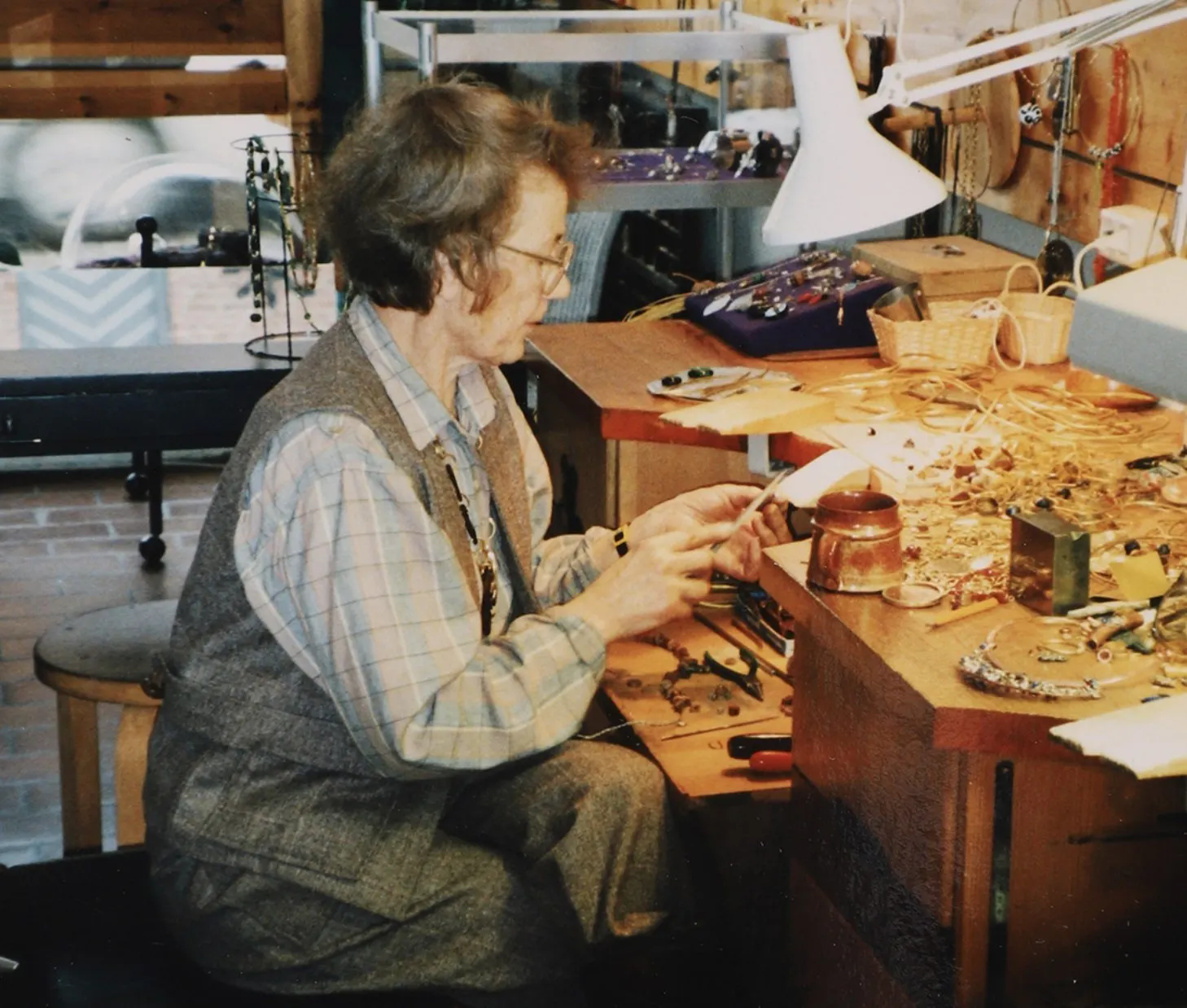
Starting a Silver Jewelry Business in 2026
The silver jewelry market presents exceptional entrepreneurial opportunities in 2026. With global market size approaching $40 billion and growing at 5.1% annually, demand for quality handcrafted sterling silver jewelry continues to expand across retail, e-commerce, and marketplace channels. This guide walks you through every step of starting a profitable silver jewelry business.
Step 1: Define Your Niche and Target Market
Successful silver jewelry businesses start with clear positioning. Rather than trying to serve everyone, define your specific niche. Are you targeting the bohemian lifestyle market, minimalist professionals, spiritual and wellness consumers, or luxury gift buyers? Your niche determines your product selection, pricing strategy, brand aesthetic, and marketing channels.
Research your target customer’s demographics, shopping habits, price sensitivity, and style preferences. Platforms like Instagram, Pinterest, and Etsy provide excellent market research opportunities — study what successful sellers in your niche offer and how they position their brands.
Step 2: Find Reliable Wholesale Suppliers
Your supplier relationship is the foundation of your business. For handcrafted sterling silver, Bali, Indonesia is the premier sourcing destination, offering exceptional quality at competitive wholesale prices. Key factors in choosing suppliers include consistent 925 silver quality with certification, minimum order quantities that match your budget, design variety and customization capabilities, reliable shipping and communication, and willingness to provide samples for evaluation.
Start with sample orders from 2-3 suppliers to compare quality, pricing, and service before committing to a primary wholesale relationship. Visit workshops in person if possible — the investment in a sourcing trip pays dividends in supplier confidence and product knowledge.
Step 3: Calculate Pricing and Margins
Pricing handcrafted silver jewelry requires balancing competitiveness with profitability. A common formula: retail price equals wholesale cost multiplied by 2.5 to 4, depending on your channel and positioning. Factor in all costs including product cost, shipping and customs duties, packaging materials, photography, platform fees, marketing costs, and returns and exchanges.
Handcrafted Bali silver typically supports healthy margins. A ring purchased wholesale at $5 can retail for $25-45 in boutique channels, while gemstone pieces purchased at $15 can retail for $60-120 depending on positioning and presentation.
Step 4: Build Your Brand Identity
Your brand is what differentiates you from competitors selling similar products. Develop a cohesive brand identity including brand name and visual identity, brand story connecting customers to the artisans and techniques behind your jewelry, photography style that matches your target aesthetic, packaging design that elevates the unboxing experience, and consistent voice across all customer touchpoints.
The artisan heritage of Bali silver provides powerful brand storytelling material — the centuries-old techniques, the village workshops, the family traditions. Consumers increasingly value transparency and provenance, making authentic artisan stories powerful marketing assets.
Step 5: Set Up Your Sales Channels
Modern silver jewelry businesses typically operate across multiple sales channels. Your own website using Shopify or WooCommerce gives you maximum control and margins. Etsy provides built-in marketplace traffic for handcrafted jewelry. Amazon reaches the largest consumer audience. Instagram and TikTok shops enable social commerce. Local markets and pop-up events provide face-to-face customer interaction.
Start with one or two channels, master them, then expand. Most successful jewelry entrepreneurs start on Etsy or their own Shopify store before adding marketplace presence.
Step 6: Photography and Product Listings
Jewelry photography is arguably the most important factor in online sales. Invest in professional-quality product images showing each piece from multiple angles, on models, and in lifestyle settings. Clean white-background shots for marketplace listings, and styled editorial images for social media and your website.
Product descriptions should include accurate materials information (925 sterling silver, specific gemstones), dimensions and sizing, care instructions, and the story behind the design or technique. SEO-optimized descriptions with relevant keywords improve search visibility across all platforms.
Step 7: Launch and Scale
Launch with a curated collection of 30-50 pieces rather than hundreds. A focused collection allows you to test market response, optimize listings, and manage inventory without overwhelming your budget. Reinvest profits into expanding your collection based on what sells best.
Frequently Asked Questions
How much capital do I need to start a silver jewelry business?
You can start with as little as $1,000-2,000 for initial inventory through sample orders and dropshipping. A more robust launch with branded packaging, professional photography, and website development typically requires $3,000-5,000. The low minimum order requirements from Bali suppliers make silver jewelry one of the most accessible product categories for new entrepreneurs.
Do I need jewelry industry experience?
No prior jewelry experience is required. Successful silver jewelry entrepreneurs come from diverse backgrounds — fashion, marketing, retail, and many other fields. What matters is understanding your target customer, building reliable supplier relationships, and executing strong marketing. Industry knowledge develops naturally through the process of sourcing, photographing, and selling jewelry.
Should I use dropshipping or hold inventory?
Dropshipping is ideal for testing the market with minimal risk — your supplier ships directly to customers. However, holding inventory gives you faster shipping times, ability to photograph products yourself, quality control before shipping, and higher margins. Many businesses start with dropshipping and transition to inventory-based models as they grow.
How long before a silver jewelry business becomes profitable?
Most silver jewelry businesses reach profitability within 3-6 months if focused on a clear niche with strong marketing execution. Initial investment recovery typically occurs within the first year. The keys to fast profitability are controlling startup costs, starting with proven best-selling designs, and investing in marketing from day one.
What legal requirements do I need to consider?
Legal requirements vary by country and region but generally include business registration, sales tax collection, accurate product labeling (silver content, gemstone treatments), FTC compliance for jewelry claims in the US, CE marking and REACH compliance in the EU, and consumer protection compliance in your market. Consult with a local business advisor for specific requirements in your jurisdiction.
Explore More from Bali Silver Export
Thinking about how to start a jewelry business with Bali silver? Bali Silver Export — wholesale 925 silver jewelry from Bali helps new silver jewelry import businesses launch lean: first orders from around $500, samples of 10–20 pieces, and insured DHL/FedEx air freight in 5–10 days. Message our export team on WhatsApp or email [email protected] to plan your opening collection.