More than 85 years of combined bench experience across four named master silversmiths — the accountable hands behind every 925 sterling silver piece we export from Celuk Village.
Every piece of 925 sterling silver we export is made by named, second- and third-generation Celuk silversmiths — never an anonymous factory line. Meet the four master artisans of our family workshop in Celuk Village, backed by a supporting network of roughly 30 silversmith families across Gianyar Regency.
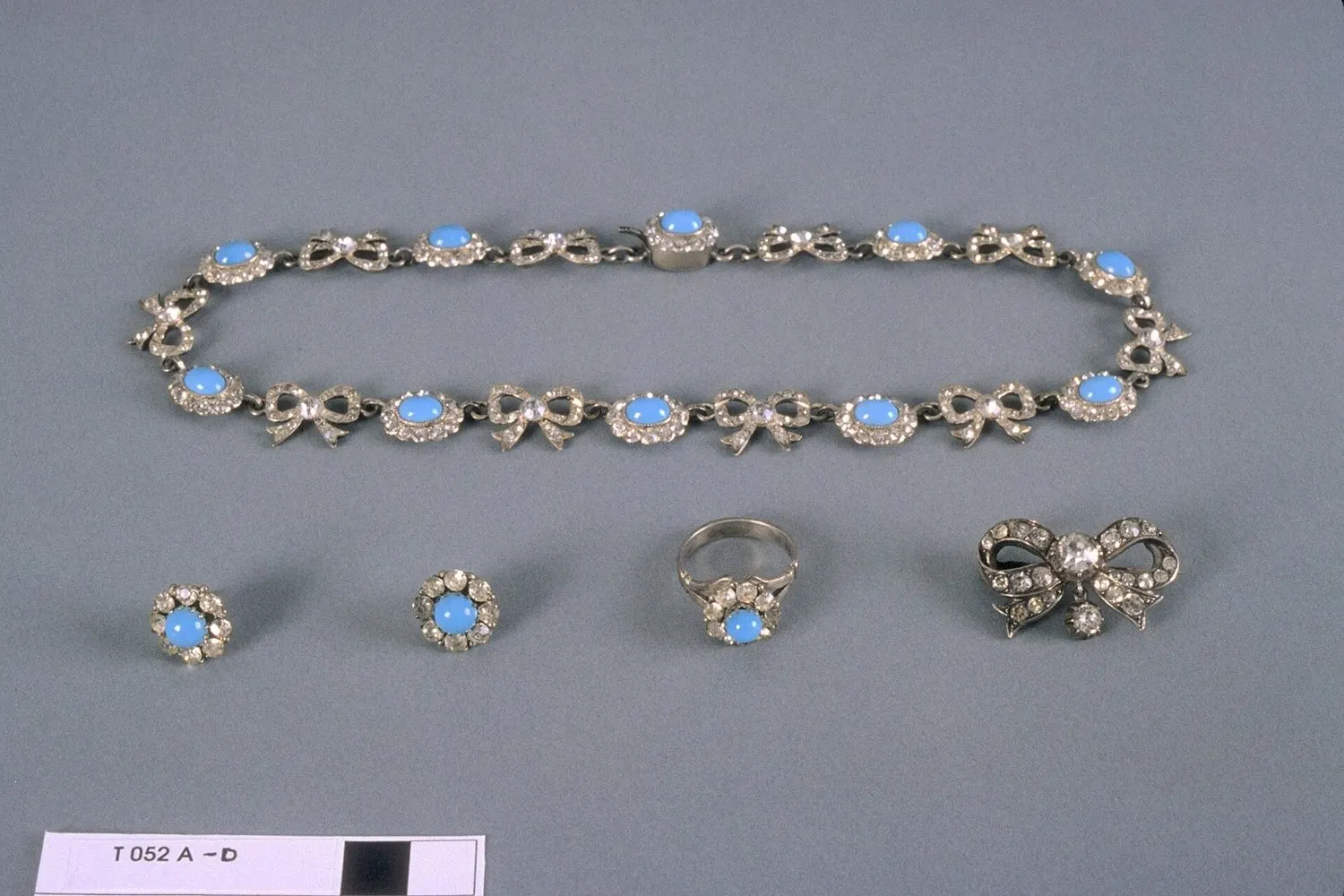
Our jewelry is made by four lead Balinese silversmiths — all born into silversmithing families in Celuk and greater Gianyar. Each master leads one stage of production:
Between them, our four lead silversmiths carry more than 85 years of combined bench experience, and every design that ships under our .925 hallmark passes through at least two of their hands. A named artisan is accountable for the pieces that carry their bench mark, which is why our wholesale return rate on craftsmanship defects has stayed under roughly 1% since we formalized per-artisan QC records.
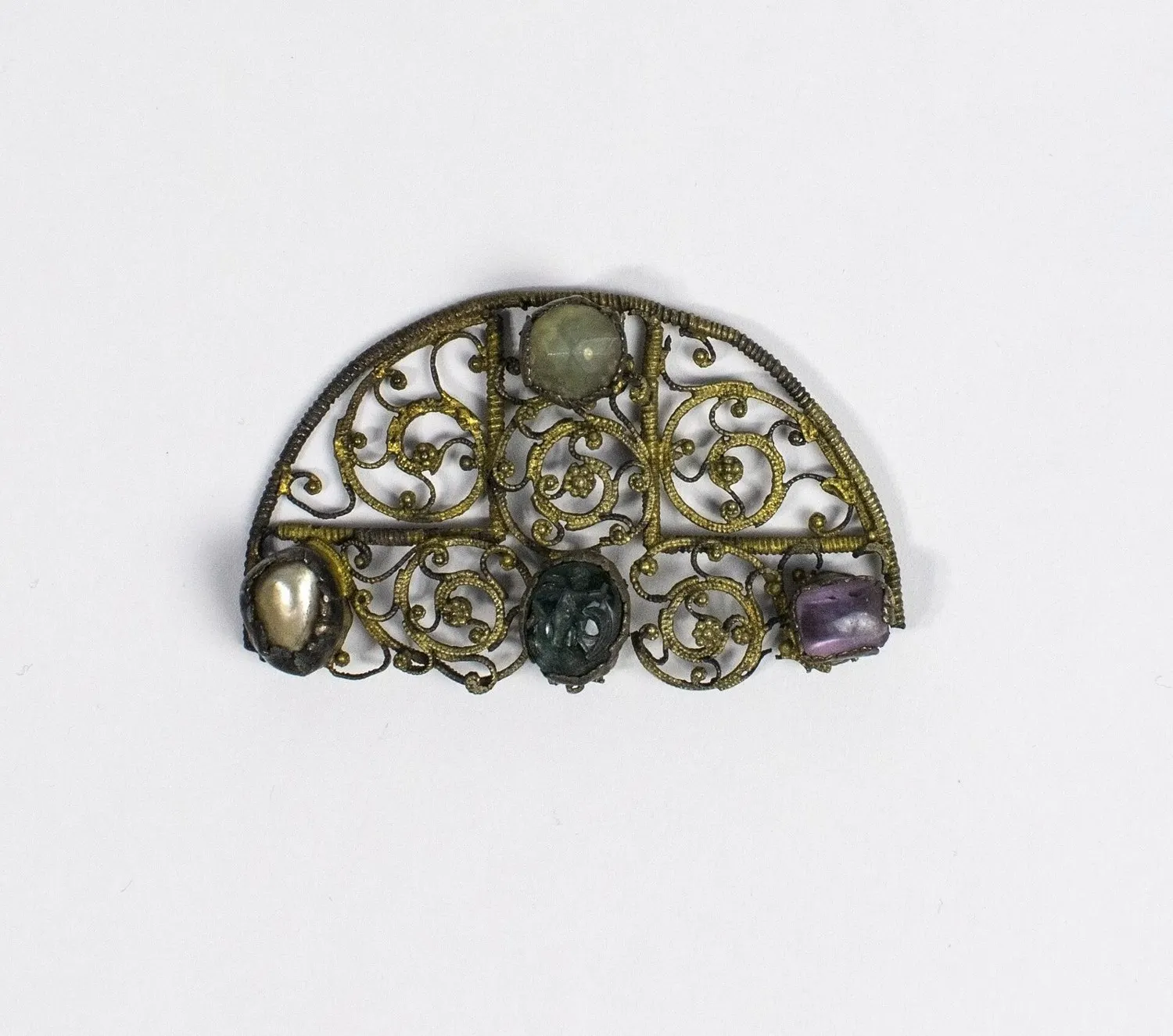
I Made Sudarta is our most senior artisan: a filigree master who has spent more than 30 years drawing sterling silver into threads as fine as 0.3 mm and coaxing them into lace-like scrollwork. He learned the craft from his father in a Celuk family compound and now leads our filigree production line.
“Filigree is patience made visible. If your hands hurry, the wire knows — it kinks, it snaps, and the piece tells on you forever,” Sudarta says. His typical week includes 15–25 ornate filigree pieces — openwork pendants, chandelier earrings, and the statement brooches that anchor many of our boutique buyers’ window displays. One of the pieces he is quietly proudest of never left Bali at all: a filigree offering bowl he spent nearly three weeks building for his family temple in Celuk, worked on only after export orders were done for the day. He also trains two apprentices, because in Celuk a master’s reputation is measured partly by who he teaches.
Ni Wayan Seniasih is our jawan specialist: for 25 years she has practiced Balinese granulation, the technique of fusing tiny silver spheres onto a silver surface to build the raised, rice-grain texture that makes Bali granulation jewelry instantly recognizable. A single traditional pendant in her portfolio can carry 60–90 individually placed granules, each fused without visible solder.
“Jawan is counting to a thousand without losing your breath,” she says. “Every granule must sit exactly where the design asks, or the whole pattern falls out of rhythm.” Seniasih produces granulated beads, bracelets, and heritage-motif pendants, and she is typically the artisan we assign when a buyer requests traditional Balinese texture on a modern minimalist silhouette — a pairing that, as of 2027, appears in roughly a third of our custom orders.
I Ketut Gede Arta leads our lost-wax casting department — the bridge between hand-carving tradition and modern CAD production. With around 18 years at the crucible, Arta oversees every step from wax model and investment mold to the 960°C pour, and he is the artisan who translates buyers’ CAD files and sketches into production-ready molds for OEM and private-label runs.
“A good mold remembers every detail the carver gave it,” Arta says. “My job is to make sure nothing is lost between the wax and the silver.” His team casts rings, cufflinks, and sculptural pendants — typically 300–600 pieces per week depending on complexity — and every batch is assayed to confirm the 92.5% silver content behind our .925 hallmark before it moves to finishing.
Ni Luh Putu Ayu Kartini is the last set of hands on almost every piece we export: our stone-setting specialist and quality-control lead. Over 15+ years she has set thousands of moonstones, labradorites, onyx, and pearls into sterling bezels, and she now runs the final QC inspection that every export order passes before packing — hallmark check, stone security, solder joints, plating, and finish.
“A stone that moves is a promise broken,” Kartini says. “Nothing leaves my table unless I would wear it myself.” Her 12-point inspection checklist is the reason we can offer wholesale buyers replacement guarantees on manufacturing defects: in a typical month she rejects and returns around 2–4% of finished pieces to the bench for rework before they ever reach the packing room.
Our workshop is a converted family compound just off Jalan Raya Celuk in Celuk Village, Gianyar — the community widely regarded as Bali’s silver capital, where local estimates commonly count several hundred active family workshops and several thousand working silversmiths. Work starts around 8 a.m. with the melting of certified silver granules, moves through wire-drawing, forming, jawan, casting, and soldering benches by midday, and ends at the polishing and QC tables — a flow that typically yields 1,500–3,000 finished pieces per month depending on design complexity.
The tools tell the story of the craft’s evolution: hand-pulled draw plates and generations-old chasing hammers sit beside modern butane torches, tumblers, and an XRF purity tester. Buyers who want to meet Balinese silversmiths in person are welcome — our factory tour and workshop visit runs on weekdays by appointment, and as of 2027 roughly one in five of our repeat wholesale clients has visited the benches where their orders are made.
Our artisans are paid directly by Bali Silver Export with no agent or middleman layer, combining a guaranteed monthly base with per-piece rates that scale with technical difficulty. Because factory-direct wholesale removes the two to three trading margins common in the souvenir supply chain, our master silversmiths typically earn well above common Bali wage benchmarks — in our experience roughly 30–60% above the provincial minimum for master-level benches, though exact figures vary with order volume and complexity.
What fair pay looks like in practice:
A Bali silversmith artisan is made over years, not months: in Celuk the traditional path from first polishing bench to master bench typically takes 4–7 years. Apprentices — often teenagers from silversmithing families — start with sanding and polishing, graduate to granule-sorting and simple soldering in year two or three, and only touch client export work once a master signs off on their consistency.
As of 2027 our workshop supports around six apprentices across the four master benches, each paid a stipend from day one rather than working unpaid, as was common a generation ago — Sudarta and Seniasih each mentor two, Arta and Kartini one each. When apprentices can see that a Celuk Village silver artisan earns a stable, export-backed income at home rather than leaving for hospitality work in Denpasar, the craft keeps its inheritance line intact.
Each master leads one stage of production, from raw silver to the final quality check — and every design passes through at least two of their hands.
Balinese filigree — 30+ years. Filigree pendants, chandelier earrings, statement brooches.
Granulation (jawan) — 25 years. Jawan beads, granulated bracelets, traditional motif pendants.
Lost-wax casting — 18+ years. Cast rings, cufflinks, sculptural pendants, CAD-to-mold work.
Stone-setting & QC — 15+ years. Gemstone setting, final inspection, hallmark verification.
Still unsure? Our Celuk Village team answers every question personally — usually within 1–2 hours on WhatsApp.
Ask a Question
Bali Silver Export connects wholesale buyers with our named Celuk Village artisans — 925 sterling silver, factory-direct pricing, worldwide shipping. Chat with our export team on WhatsApp for wholesale inquiries.
Handled by BD Juara Holding Group
