Gold Plating Service

Gold Plating & Vermeil Service on 925 Silver

In-house gold plating and true vermeil on solid 925 sterling silver — 0.5, 1.0, and 2.5+ micron options in 14k, 18k, rose gold, and rhodium white tones, nickel-free and XRF-tested before every batch ships.

In Short

Bali Silver Export offers in-house gold plating and true vermeil on 925 sterling silver for custom and OEM wholesale orders — 0.5, 1.0, and 2.5+ micron thickness options in 14k, 18k, and rose gold tones, plus rhodium white. Plating adds to the base silver price, and every batch is thickness-tested before it ships.
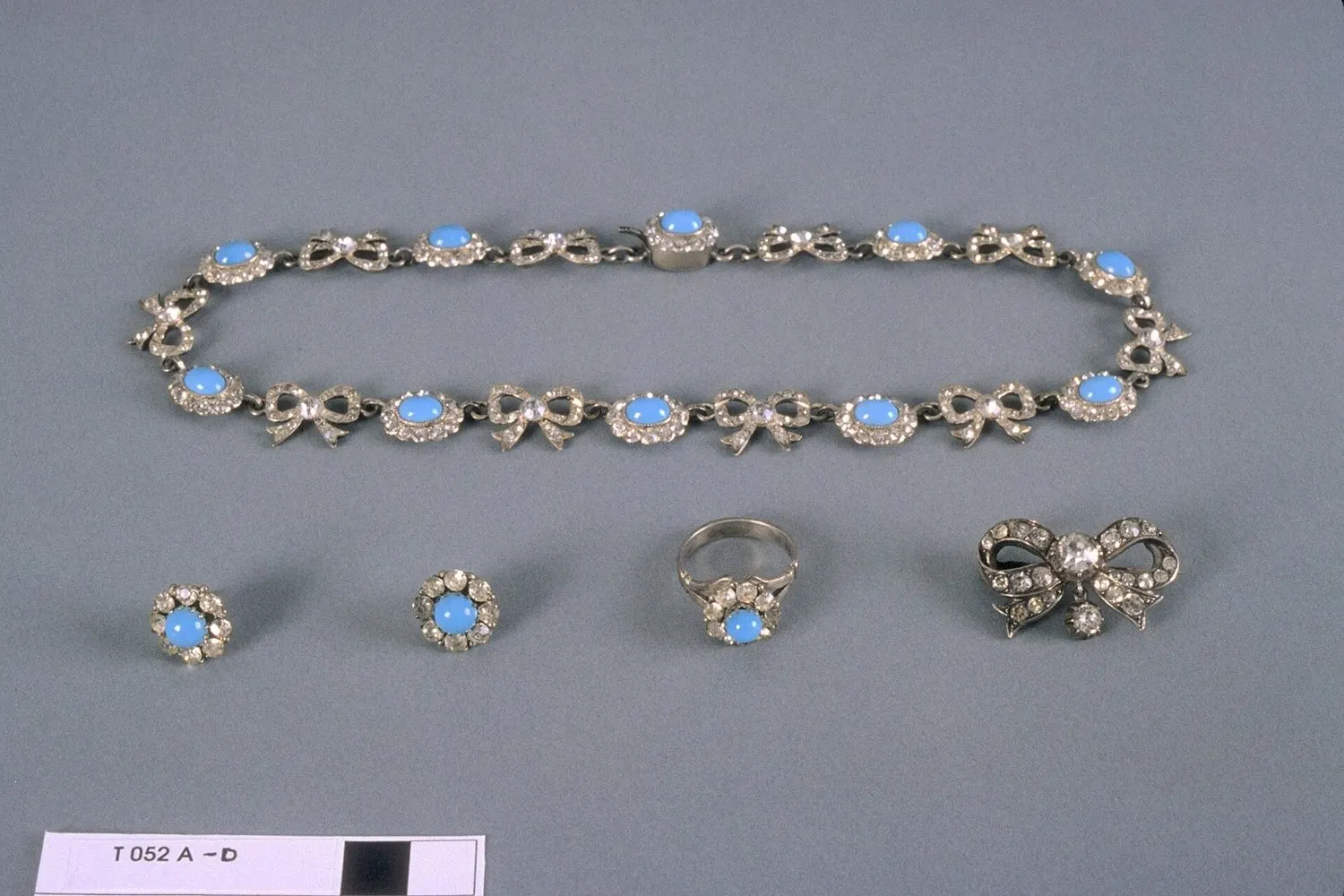
What Our Gold Plating Service Covers
01 Chapter

What Our Gold Plating Service Covers

Our gold plating service applies a real gold layer over solid 925 sterling silver — never over brass or zinc alloy — so the finished piece is always genuine precious-metal jewelry. It is a standard add-on for any design in our catalog or any custom piece developed through our OEM and private label program.

The service covers three scenarios wholesale buyers typically need:

  • Plating our existing designs — choose any item from the catalog and price list and specify tone plus micron thickness.
  • Plating custom designs — CAD-designed pieces produced from scratch, plated as part of the production run.
  • Mixed-finish programs — the same design offered in plain silver, yellow gold, and rose gold tones, which is how many boutique brands build a 3-SKU story from one mold and typically lift average order value by 20–40%.

Because the base is always hallmarked 925 sterling silver (92.5% pure), plated pieces can be described as “gold plated sterling silver” or — at 2.5 microns and above — as true vermeil in most markets.
Micron Thickness: Flash, Standard & True Vermeil
02 Chapter

Micron Thickness: Flash, Standard & True Vermeil

We offer three standard plating thicknesses — 0.5 micron flash, 1.0 micron standard, and 2.5+ micron vermeil — and the right choice depends on price point and how the piece is worn. The US FTC standard for jewelry marketed as “vermeil” requires a sterling silver base with gold of at least 10 karat plated to a minimum thickness of 2.5 microns.

  • 0.5 micron flash: typical wear life ~3–9 months — best for earrings, pendants, fashion price points, and sampling.
  • 1.0 micron standard: typical wear life ~6–18 months — best for necklaces, bracelets, and mid-market brands.
  • 2.5–3.0 micron true vermeil: typical wear life 2+ years with care — best for rings, bangles, and premium “demi-fine” positioning.
  • 3–5 micron heavy vermeil: typical wear life ~3–5 years with care — best for high-contact pieces and luxury private label.

Wear life is indicative and varies with skin chemistry, cosmetics contact, and how often a piece is worn — rings and bangles wear faster than earrings. We recommend 2.5 microns as the default for wholesale vermeil programs: it is the minimum that legally supports the “vermeil” label in the US, and roughly 6 out of 10 plated orders we quote end up at this tier once buyers compare the modest cost difference against returns and review risk.
Gold Tones: 14k, 18k, Rose Gold & Rhodium White
03 Chapter

Gold Tones: 14k, 18k, Rose Gold & Rhodium White

We plate in four standard tones — 14k yellow, 18k yellow, rose gold, and rhodium white — and can match a Pantone or physical sample for private-label runs. Tone is set by the karat alloy in the plating bath, not the thickness, so any tone can be combined with any micron option.

  • 14k yellow — ~58.3% gold alloy; a softer, paler yellow and the “everyday” demi-fine tone.
  • 18k yellow — ~75% gold alloy; a richer, warmer yellow closest to solid fine jewelry.
  • Rose gold — a gold-copper alloy giving a blush-pink finish.
  • Rhodium — a platinum-group metal giving a bright white, tarnish-resistant, hypoallergenic finish.

Rhodium plating runs at 0.1–0.3 microns over 925 silver and dramatically slows oxidation, which matters in coastal and tropical retail environments where untreated silver can visibly tarnish within 2–3 months on the shelf. All our plating baths are nickel-free — we use a palladium barrier layer instead of nickel, keeping pieces compliant with the EU REACH nickel-release rules that apply to jewelry sold in Europe.
Gold Plating vs Vermeil vs Gold-Filled
04 Chapter

Gold Plating vs Vermeil vs Gold-Filled

Vermeil is a regulated, thicker grade of gold plating over sterling silver, while gold-filled is a different construction entirely — a thick gold sheet mechanically bonded to a brass core. Confusing the three terms can lead to mislabeling, which in markets like the US can trigger FTC enforcement or marketplace delisting.

  • Gold plated: any base metal (ours is always 925 silver), typically 0.5–1 micron — a fashion tier where the base metal is the key quality signal.
  • Vermeil: sterling silver base only, minimum 2.5 microns of at least 10k gold — a regulated term (US FTC) and the demi-fine standard.
  • Gold-filled: usually a brass base with a gold sheet at roughly 5% of item weight — a machine-made wire/sheet construction not suited to handmade casting.

Gold-filled construction is essentially incompatible with handmade Balinese techniques — granulation, filigree, and lost-wax casting all start from solid metal, not laminated sheet. That is why vermeil occupies the sweet spot: handmade artistry, a solid precious-metal core, and a real gold surface at roughly 10–20% of the cost of solid gold.
Durability, Care & What to Tell Customers
05 Chapter

Durability, Care & What to Tell Customers

Gold plating on 925 silver lasts significantly longer than plating on brass, because even as the gold layer slowly thins, the metal underneath is still precious, hypoallergenic sterling silver rather than yellowing brass. This is the single most useful selling point to pass on to end customers — most successful buyers stock both plain and plated finishes from the same designs rather than choosing one over the other.

Care guidance we recommend printing on cards or product pages:

  • Remove jewelry before swimming, showering, and exercise — chlorine, salt water, and sweat are the top three plating killers.
  • Apply perfume and cosmetics first, jewelry last; wait about 5 minutes before dressing the piece.
  • Store in an airtight pouch — a simple zip bag can extend plating life by an estimated 30–50% versus open-air storage.
  • Clean with a soft dry cloth only; never use silver dip or abrasive polish on plated pieces.

Every plated order can optionally receive an anti-tarnish e-coating (a clear nano-lacquer) at a small additional cost — Ask for Price per piece — though we do not recommend it on rings, where friction wears the lacquer quickly.
Our 8-Stage Plating Process & Quality Control
06 Chapter

Our 8-Stage Plating Process & Quality Control

Every piece passes an 8-stage process: polishing, ultrasonic cleaning, electro-degreasing, acid activation, palladium barrier plating, gold electroplating to the specified micron target, rinsing and drying, and final inspection. The palladium barrier layer is the step most low-cost platers skip — it prevents silver atoms migrating into the gold layer, the main cause of early discoloration in cheap plated jewelry.

Thickness is verified by X-ray fluorescence (XRF) on sample pieces from each batch — the same non-destructive method used to verify silver purity — within roughly 10% of the ordered micron target. Our stone-setting and QC lead signs off every plated batch personally; the most common rejection reason is uneven coverage inside filigree openwork, exactly where cut-rate platers cut corners. Batch results are recorded and photos shared before shipment as part of our standard quality control service.

As a vermeil manufacturer, we apply the 2.5-micron FTC threshold as a hard internal minimum on anything sold as vermeil — if a batch tests below target, it goes back in the bath, not in the box.
MOQ, Lead Times & Ordering Options
07 Chapter

MOQ, Lead Times & Ordering Options

The minimum order for a plated production run is per design per tone, and plating adds around 5–7 working days to the standard production schedule. Plating baths run most efficiently in batches, which is why per-design minimums exist — but they are kept low for a factory service.

  • Samples: plated sample pieces are available before a production commitment, typically shipped within 7–14 days.
  • First orders: our standard MOQ applies; plated items simply carry the per-gram adder.
  • Mixed runs: one design can be split across tones to test what sells.
  • Re-plating: we can re-plate previously purchased stock returned to Bali, though for most buyers a fresh run is more economical once freight is counted.

Standard commercial terms apply: 50% deposit, balance before shipment, payment via Wise, PayPal, or bank/SWIFT transfer, and insured DHL/FedEx air freight of 5–10 days door-to-door under HS Code 7113.11.

Transparent Pricing

Gold Plating Pricing: Per-Gram Adders

Pricing is quoted per gram of finished silver weight and confirmed per design at quotation because pricing tracks the daily gold price. A plated piece costs more than plain silver but retails higher in the demi-fine segment — one reason around a third of the 45+ wholesale inquiries we received from 15+ countries in 2026 asked about gold-tone options.

01

0.5 Micron Flash

Best for earrings, pendants, and fashion price points; typical wear life ~3–9 months.

Ask for Price
02

1.0 Micron Standard Popular

Best for necklaces, bracelets, and mid-market lines; typical wear life ~6–18 months.

Ask for Price
03

2.5 Micron True Vermeil

Our recommended default — the FTC minimum for the “vermeil” label; wear life 2+ years with care.

Ask for Price
04

3–5 Micron Heavy Vermeil

For high-contact pieces and luxury private label; typical wear life ~3–5 years with care.

Ask for Price
05

Rhodium White

Bright, tarnish-resistant white finish at 0.1–0.3 microns; popular in humid coastal markets.

Ask for Price
No Hidden Fees

What’s Included With Every Plated Order

Included

  • 925 sterling silver hallmarked base under every plated finish — never brass or zinc alloy.
  • Nickel-free plating using a palladium barrier layer, compliant with EU REACH nickel-release rules.
  • XRF thickness verification on sample pieces from every batch, within roughly 10% of the ordered micron target.
  • Personal QC sign-off on every plated batch before it ships.
  • Batch results recorded and photos shared before shipment.

Optional Add-ons

  • Anti-tarnish nano-lacquer e-coating (not recommended on rings, where friction wears the lacquer quickly).
  • Custom Pantone or physical-sample tone matching for private-label programs.
  • Re-plating of previously purchased stock returned to Bali, though a fresh run is usually more economical once freight is counted.
Good to Know

Frequently Asked Questions

Still unsure? Our Celuk Village team answers every question personally — usually within 1–2 hours on WhatsApp.

Ask a Question
01

What is the difference between gold plated and vermeil?

Both use electroplated gold, but vermeil is a regulated grade: it must be sterling silver plated with gold of at least 10 karat at a minimum thickness of 2.5 microns (US FTC definition). Ordinary “gold plated” jewelry can be any base metal at any thickness — often 0.5 micron or less over brass. All vermeil is gold plated; very little gold-plated jewelry qualifies as vermeil.
02

Can Bali silver be rhodium plated?

Yes. Rhodium plating over 925 Bali silver is a standard service in our workshop, typically at 0.1–0.3 microns. It gives a bright white, tarnish-resistant, hypoallergenic finish that is especially popular with buyers in humid coastal markets where plain silver tarnishes faster on the shelf.
03

How long does gold plating on 925 silver last?

As a rule of thumb: 0.5 micron flash plating lasts around 3–9 months of regular wear, 1.0 micron around 6–18 months, and 2.5-micron vermeil typically 2 years or more with reasonable care. Rings and bangles wear fastest due to friction; earrings and pendants last longest.
04

Should I stock gold-plated 925 silver or plain 925 silver?

Most successful buyers stock both from the same designs. Plain 925 gives the lower entry price and the “solid silver” story; gold and rose tones typically retail 50–100% higher and capture the demi-fine customer. Splitting one design across two or three finishes lets sell-through data decide your reorder mix.
05

What is the MOQ for a gold-plated production run?

Typically per design per tone within our standard first-order minimum. Plated samples are available before committing to a full run, and one design can be split across multiple tones.
06

Is your plating nickel-free and safe for sensitive skin?

Yes. We use a palladium barrier layer rather than nickel, so finished pieces are compliant with EU REACH nickel-release limits and suitable for sensitive-skin customers. The base metal is hypoallergenic 925 sterling silver, not brass or zinc alloy.
07

Do you plate designs supplied by my brand?

Yes. Custom pieces developed through our CAD design and OEM private-label program can be plated in any tone and thickness as part of the production run, with your hallmark or logo stamped alongside the .925 mark.
Ready When You Are

Request a Gold Plating Quote

Tell us the designs, gold tone, and micron thickness you need — flash, standard, or true vermeil. We confirm plating pricing and lead time within 24 hours.

Handled by BD Juara Holding Group

Part of Juara Holding Group — operating from Bali across Indonesia since 2015