Finding a reliable sterling silver jewelry supplier in 2027 involves understanding key factors such as production techniques, supplier reputation, and export requirements. In Bali, Celuk Village stands out for its skilled artisans and high-quality handcrafted silver jewelry, with processes that integrate traditional methods like granulation and filigree.
Understanding Bali’s Silver Jewelry Craftsmanship
Celuk Village, located in the Sukawati District of Gianyar Regency, is the heart of Bali’s silver jewelry craftsmanship. The village, positioned on Jalan Raya Celuk, Bali 80582, has long been renowned for its skilled artisans who excel in making 925 sterling silver jewelry. The jewelry produced here is known for its intricate designs and high quality, catering to both retail markets and mass export demands.
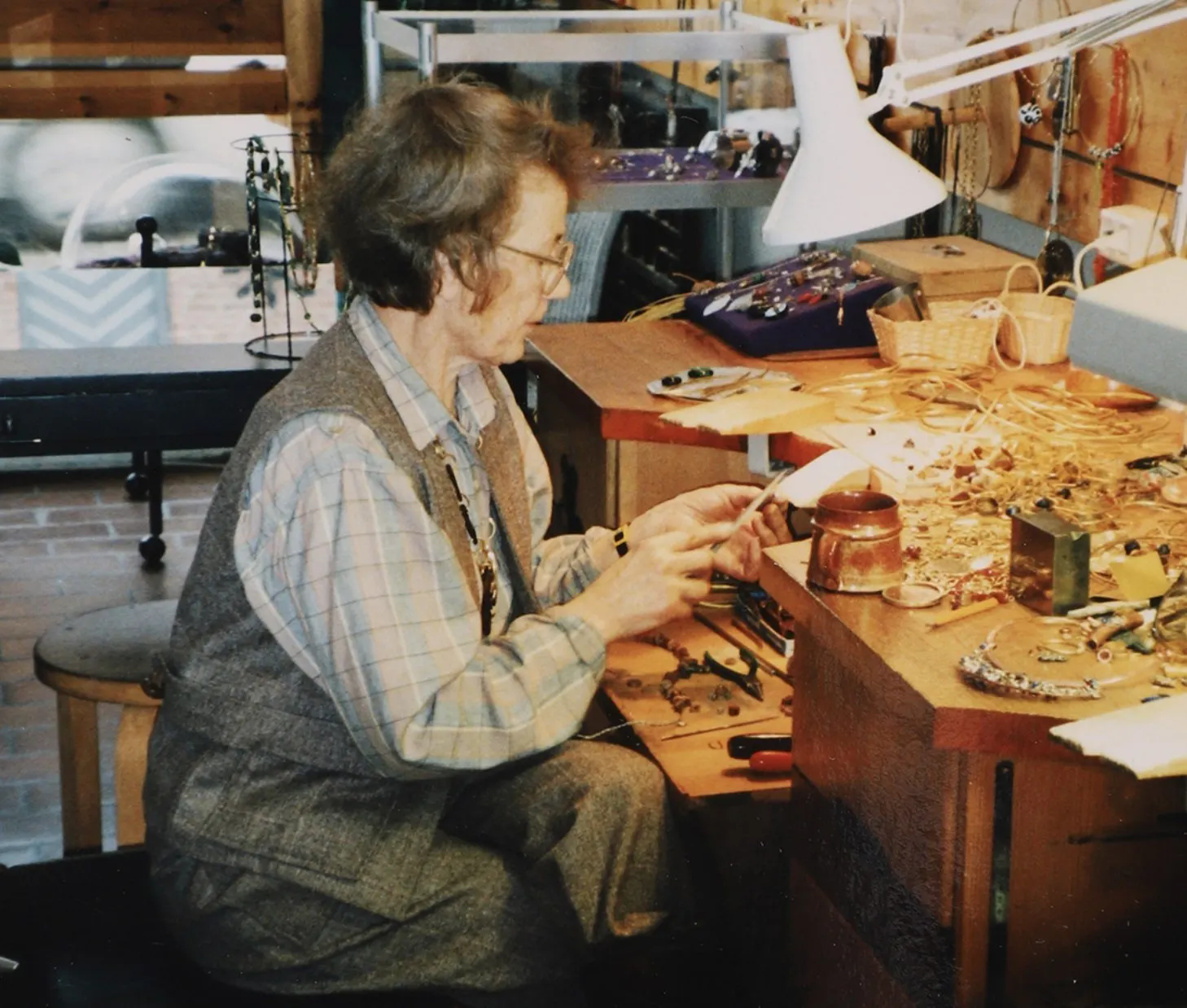
The techniques used in Celuk are rooted in traditional Balinese artistry. Granulation, locally known as ‘jawan’, involves the meticulous placement of tiny silver granules to form geometric or floral patterns. Filigree work, which involves soldering fine silver wires to create lace-like patterns, is another signature technique. Additionally, chiseling, engraving, and the lost-wax casting method are employed to craft unique and detailed pieces. The hand-finished nature of these pieces ensures each item is unique, capturing both the cultural heritage and skill of Balinese artisans.
Celuk’s strategic location near the artistic hubs of Ubud and Sukawati enhances its appeal. These markets not only display Celuk’s silver masterpieces but also offer visitors a glimpse into the lively local culture. The influx of tourists, especially during the peak seasons from April to October, further bolsters the village’s economy, making it a thriving center for silver craftsmanship in Bali.
Exporting Sterling Silver Jewelry from Bali
The export of sterling silver jewelry from Bali is classified under the Harmonized System (HS) code 7113.11, which categorizes articles of jewelry crafted from silver. To successfully export these goods, several Indonesian documents are required. Key documentation includes the NPWP (tax ID), NIB (Nomor Induk Berusaha obtained via the Online Single Submission system), and the PEB (Pemberitahuan Ekspor Barang), an export declaration filed with Direktorat Jenderal Bea dan Cukai (Customs).
Other necessary documents include a commercial invoice, packing list, air waybill, and a Certificate of Origin. For exports to countries with Free Trade Agreements (FTAs) with Indonesia, specific forms like Form D, AK, or AJ are required. Importantly, unlike bullion exports, no special permits are needed for finished silver jewelry, simplifying the export process.
The documentation process, while comprehensive, ensures that all exported jewelry meets international standards, providing reassurance to global buyers of the quality and authenticity of Balinese silver products. Exporters must maintain meticulous records to navigate these regulatory requirements effectively, thus enhancing their credibility and reliability in international markets.
Cost and Pricing Structure for Export
Understanding the pricing structure for sterling silver jewelry is crucial when selecting a supplier. For the 2026-2027 period, industry estimates suggest wholesale export pricing for plain 925 sterling silver jewelry ranges from approximately USD 1.20 to 3.00 per gram for simple designs. More intricate pieces featuring techniques like granulation or filigree command higher prices, typically between USD 3 to 6 per gram.
When priced per piece, simple rings and ear studs might cost between USD 5 and 12, while medium-sized pendants or bracelets are priced from USD 12 to 30. Complex designs that incorporate granulation or filigree can range from USD 30 to 80 or more per piece. The addition of gemstones can further increase the price by USD 3 to 20 per piece, reflecting the artistry and materials involved.
These pricing strategies are influenced by the fluctuating spot price of silver, which is estimated to be around USD 0.70 to 1.00 per gram in 2026. Buyers must also consider the costs associated with customization and design intricacies, which can significantly impact the final pricing, especially for bespoke jewelry orders.
Minimum Order Quantities for Export
Potential buyers should be aware of the typical minimum order quantities (MOQ) required by suppliers in Celuk Village. For simple designs such as rings and earrings, the MOQ generally ranges from 50 to 100 pieces per design. For more complex or newly introduced designs, the MOQ might be lower, typically around 25 to 50 pieces per design. Buyers are often expected to cover the cost of mold creation, which is a necessary step for new designs.
This MOQ framework ensures that the production remains efficient while maintaining high levels of craftsmanship. It also allows suppliers to manage their resources effectively, ensuring quality in each piece produced for export.
Engaging with suppliers on MOQ and mold costs allows buyers to negotiate better terms and fosters a collaborative relationship, encouraging innovation and the development of new designs that cater to diverse market preferences.
Evaluating Supplier Credibility
When sourcing a reliable supplier, evaluating their credibility is paramount. Prospective buyers should research a supplier’s history and reputation in the industry. This can be done by seeking references, reviewing customer feedback, and visiting local markets such as those in Ubud and Sukawati, where Celuk-made silver is also sold.
Moreover, direct communication with suppliers can provide insights into their operational capabilities and adherence to quality standards. Prospective buyers should inquire about the supplier’s compliance with export regulations and their experience in handling international shipments, ensuring that the logistics of exporting are smooth and efficient.
Attending international trade fairs where Balinese artisans showcase their work can also be beneficial. These events offer direct exposure to the latest trends and innovations in silver craftsmanship, enabling buyers to make informed decisions and establish long-term partnerships with reputable suppliers.
The Role of Regulatory Bodies
Several regulatory bodies play a role in the export process of sterling silver jewelry from Bali. The Direktorat Jenderal Bea dan Cukai (Customs) is responsible for overseeing the export declaration process and ensuring compliance with national export laws. The Kementerian Perdagangan (Ministry of Trade) sets regulations related to trade and export activities.
The BKPM (Badan Koordinasi Penanaman Modal), through its Online Single Submission (OSS) system, facilitates the obtaining of necessary business licenses such as the NIB. Engaging with these bodies ensures that all regulatory requirements are met, thus preventing potential legal issues and delays in the export process.
Understanding the roles of these regulatory entities is crucial for businesses aiming to expand their export operations. Keeping abreast of policy changes and regulatory updates helps exporters maintain compliance, thereby securing their position in international markets and fostering sustainable business growth.
FAQs
Q? What is the significance of Celuk Village in Bali’s silver jewelry industry?
A: Celuk Village is the main center for silver jewelry craftsmanship in Bali, known for its skilled artisans and traditional techniques. It is a hub for both retail sales and mass export of handcrafted 925 sterling silver jewelry, making it a critical location for sourcing high-quality silver pieces.
Q? What documentation is required for exporting silver jewelry from Indonesia?
A: Essential documents for exporting silver jewelry include the NPWP (tax ID), NIB (Nomor Induk Berusaha via OSS), PEB (export declaration), commercial invoice, packing list, air waybill, and a Certificate of Origin. These ensure compliance with Indonesian export regulations and facilitate smooth international shipping.
Q? How can buyers assess the credibility of a silver jewelry supplier in Bali?
A: Buyers can assess a supplier’s credibility by researching their market reputation, seeking references, and reviewing customer feedback. Direct communication with suppliers and visiting local art markets in Ubud and Sukawati can also provide valuable insights into their product quality and reliability.
For wider arrangements, our partner baliluxurytransport can coordinate end to end.
See also: Handmade vs Cast Silver Jewelry: How Celuk Artisans Work, Why Bali Silver Beats Thailand & India for Artisan Wholesale Jewelry · Home.
Frequently Asked Questions
How do I verify a silver supplier in Bali before sending payment?
Ask for the .925 hallmark on production photos, request a live video call from the workshop floor, and order a 10–20 piece sample set before any bulk commitment. For metal authenticity, use the stamp, acid, and XRF checks covered in our guide to how to spot real 925 silver.
Is Bali Silver Export a reliable supplier?
Yes — Bali Silver Export works directly with Celuk Village artisan families, stamps the .925 hallmark on every piece, and handled 45+ wholesale inquiries from buyers in 15+ countries in 2026. As a wholesale Bali silver jewelry supplier, it ships insured FOB Bali via DHL/FedEx in 5–10 days.
What payment terms does a trusted silver jewelry supplier in Bali offer?
The industry standard is a 50% deposit with the balance paid before shipment, via Wise, PayPal, or bank SWIFT transfer. Treat any demand for 100% upfront payment from a supplier with no verifiable export documents as a red flag.
Can I test a new Bali supplier with a small order first?
Yes — reputable exporters offer sample sets of 10–20 pieces, and first wholesale orders from around $500, so you can check hallmarks, finishing, and packaging quality before scaling to full production runs.
Source Bali Silver Directly from Celuk Village
Bali Silver Export connects wholesale buyers with Celuk Village artisans — 925 sterling silver, factory-direct pricing, worldwide shipping. Chat with our export team on WhatsApp or email [email protected].