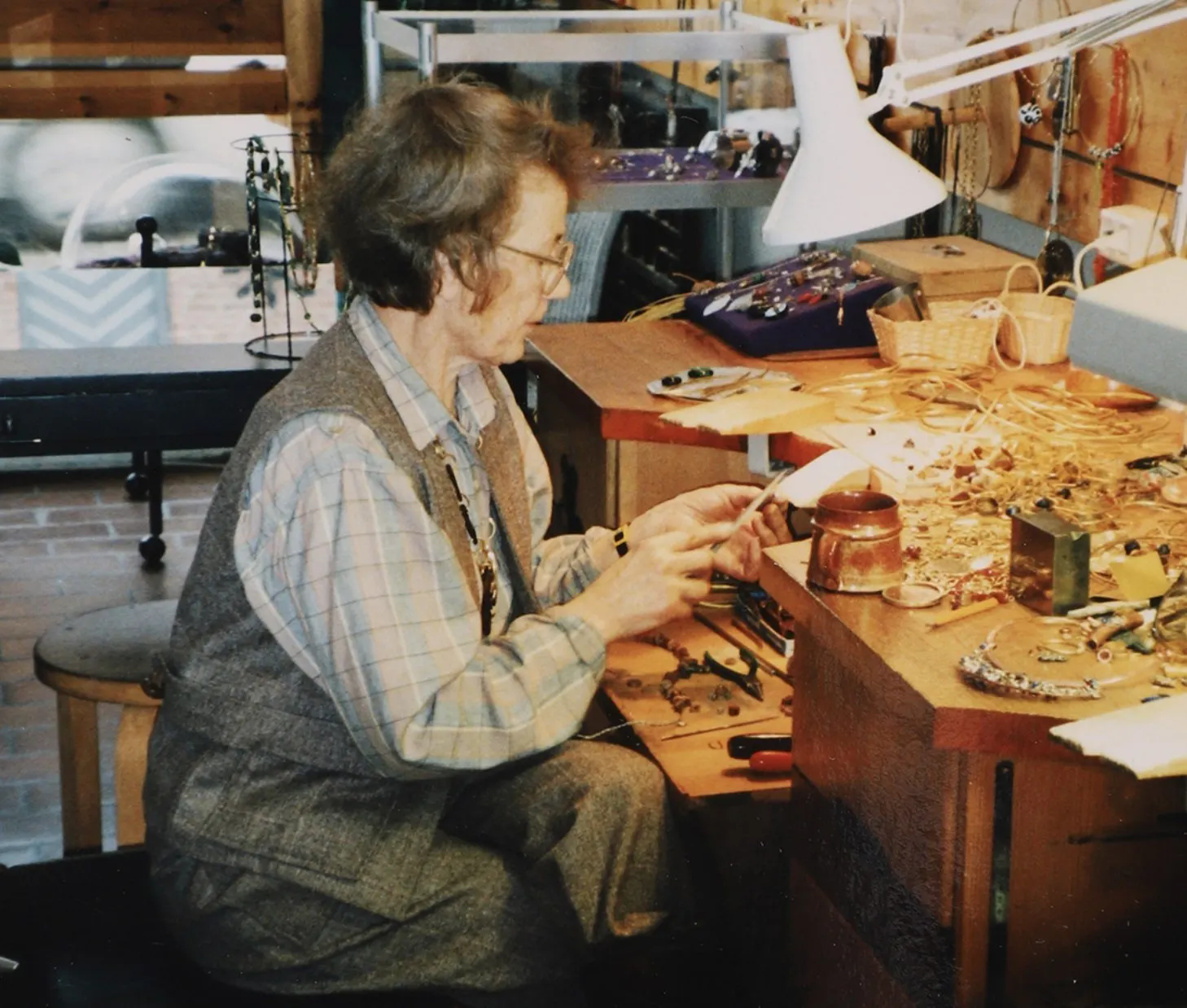
Bali Silver Export stands as a distinguished leader in the artisan wholesale jewelry industry, surpassing the offerings from Thailand and India. Celuk Village, a renowned center for silver craftsmanship in Bali, combines traditional techniques and exceptional artistry to deliver superior quality 925 sterling silver jewelry that captures global attention.
Celuk Village: The Heart of Balinese Silver Craftsmanship
Located in the Sukawati District of Gianyar Regency, Celuk Village is a pivotal hub for gold and silversmiths in Bali. The artisans of this village have perfected the art of creating exquisite silver jewelry, a tradition that has been thriving for generations. This area is synonymous with high-quality 925 sterling silver pieces, which are crafted meticulously by hand, ensuring each piece is unique and of superior quality.
Celuk’s strategic location, near the cultural centers of Ubud and Sukawati art markets, provides an excellent platform for these handcrafted pieces to reach both tourists and international buyers. The village has gained worldwide acclaim for its intricate craftsmanship, making it a preferred choice for wholesale jewelry compared to Thailand and India, which often rely on machine-produced items.
Visitors to Celuk Village can witness firsthand the skill and dedication of the artisans. Workshops are open to the public, offering a glimpse into the meticulous process of silver crafting. This proximity to not only the art markets but also the cultural and tourist hubs of Bali positions Celuk as a central figure in the island’s economy, drawing thousands of visitors who are eager to purchase authentic Balinese silver directly from the source.
Signature Techniques: Balinese Artistry
Bali Silver Export boasts an array of traditional techniques mastered by Celuk artisans. Among these, granulation, locally known as ‘jawan’, involves the delicate placement of tiny silver granules into intricate geometric or floral patterns. This technique is cherished for its precision and the intricate beauty it adds to every piece of jewelry.
Filigree work is another celebrated craft, where lace-like fine silver wires are soldered onto a base to create elaborate designs. Moreover, chiselling and engraving add depth and character to the pieces, while the lost-wax casting method allows for the creation of detailed and customized designs. These methods are all hand-finished, ensuring that each piece bears the hallmark of Balinese craftsmanship, a stark contrast to the often mass-produced jewelry from other countries.
The intricacies of these techniques not only enhance the aesthetic appeal but also increase the durability and uniqueness of each piece. The artisans’ expertise in these methods ensures that even the most complex designs maintain structural integrity, catering to both aesthetic and practical purposes. The incorporation of these techniques results in jewelry pieces that are not only visually striking but also long-lasting, making them cherished heirlooms for generations to come.
Competitive Pricing in the Global Market
pricing, Bali Silver Export offers competitive rates that distinguish it from its counterparts in Thailand and India. For wholesale export, simple designs in plain 925 sterling silver range from USD 1.20 to 3.00 per gram. More intricate designs featuring granulation or filigree work are priced at USD 3 to 6 per gram. Individual pieces such as simple rings or studs cost between USD 5 to 12, while medium pendants and bracelets are priced at USD 12 to 30. For more complex pieces, which may incorporate sophisticated granulation or filigree, prices can reach USD 30 to 80 or more per piece.
Incorporating gemstones in the jewelry further enhances its value, adding an additional USD 3 to 20 per piece. These pricing strategies not only make Bali Silver Export a cost-effective option for buyers but also assure them of exceptional quality and craftsmanship.
The silver spot price, projected to be between USD 0.70-1.00/gram in 2026, provides a stable foundation for these pricing structures. This predictability allows both artisans and buyers to plan accordingly, ensuring that the market remains accessible and attractive to a wide range of international customers, from small boutiques to large retailers.
Export Procedures and Compliance
Exporting silver jewelry from Bali involves a set of clearly defined procedures and documentation, ensuring a smooth transaction process for international buyers. Key documents required include the NPWP (tax ID), NIB (Nomor Induk Berusaha via OSS), the PEB (Pemberitahuan Ekspor Barang) filed to Bea Cukai/Customs, a commercial invoice, packing list, air waybill, and a Certificate of Origin (Form D/AK/AJ for FTA destinations). It’s noteworthy that no special bullion permit is required for finished silver jewelry, simplifying the export process.
The Indonesian agencies involved in these processes are Direktorat Jenderal Bea dan Cukai (Customs), Kementerian Perdagangan (Trade), and BKPM/OSS (licensing). These bodies ensure that all exports comply with international standards, maintaining Bali’s reputation as a trusted source of high-quality silver jewelry.
The streamlined export procedures position Bali as a competitive player in the global market. By reducing bureaucratic hurdles and maintaining clear communication channels with international buyers, Bali Silver Export not only facilitates smooth transactions but also fosters long-term business relationships. This efficiency is key to the growing demand for Balinese silver in international markets, supporting the industry’s expansion beyond traditional borders.
The Artistic and Economic Impact of Balinese Silver
The silver jewelry industry in Bali not only supports the local economy but also plays a significant role in preserving the island’s cultural heritage. The artisans in Celuk Village benefit from a sustainable income through their craftsmanship, which in turn supports their families and the broader community. This economic impact is further amplified by the global demand for Balinese silver, which has seen consistent growth over the years.
Moreover, the artistic value of Balinese silver cannot be overstated. Each piece tells a story, embodying the skills and traditions passed down through generations. This cultural significance adds an intangible value to the jewelry, making it highly sought after by collectors and enthusiasts worldwide.
By prioritizing sustainable practices and emphasizing the cultural heritage inherent in each piece, Balinese silver continues to attract ethical consumers. This conscientious approach not only enhances the global reputation of Bali Silver Export but also ensures that the environmental and cultural integrity of the island is preserved for future generations. Through its commitment to ethical craftsmanship, the Balinese silver jewelry industry serves as a model for sustainable economic development worldwide.
Why Choose Bali Over Thailand and India?
While Thailand and India are well-known for their jewelry industries, Bali Silver Export offers distinct advantages. The handcrafting techniques employed by Balinese artisans result in jewelry that is both unique and of exceptional quality. This is contrasted with the mass production methods often used in other countries, which may lack the same level of detail and personalization.
Additionally, the competitive pricing of Balinese silver jewelry provides excellent value for international buyers. Coupled with efficient export procedures and a commitment to quality, Bali Silver Export is a reliable and superior choice for those seeking artisan wholesale jewelry.
The local Balinese approach to jewelry design also incorporates specific cultural motifs and symbolism, adding layers of meaning and authenticity to each piece. This cultural richness, combined with the practicality of competitive pricing and export efficiency, positions Bali as a top choice for discerning buyers who value both artistry and value in their purchases. These factors make Bali Silver Export a preferred partner for those looking to offer something truly unique in the competitive global market.
FAQs
Q? What makes Balinese silver jewelry unique compared to pieces from Thailand and India?
A: Balinese silver jewelry is renowned for its traditional handcrafting techniques, such as granulation and filigree, which create highly detailed and unique pieces. This contrasts with the machine-produced items often found in Thailand and India, offering a more personalized and higher quality product.
Q? How does Bali Silver Export ensure compliance with international export standards?
A: Bali Silver Export adheres to stringent export procedures, requiring documents like NPWP, NIB, PEB, and a Certificate of Origin. The involvement of Indonesian customs and trade agencies ensures all exports meet international standards, guaranteeing a smooth transaction process.
Q? What are the typical minimum order quantities for wholesale purchases from Bali Silver Export?
A: The typical minimum order quantities for wholesale silver jewelry from Bali Silver Export are 50-100 pieces per design for simple rings and earrings, and 25-50 pieces for more complex or new designs. This flexibility allows buyers to tailor orders to their specific needs.
For wider arrangements, our partner baliluxurytransport can coordinate end to end.
See also: Balinese Granulation & Filigree: The ‘Jawan’ Technique Behind Bali Silver, Handmade vs Cast Silver Jewelry: How Celuk Artisans Work · Home.
Frequently Asked Questions
How does Bali silver price compare to Thai or Indian silver?
Wholesale bands are broadly similar — around USD 1.20–3.00 per gram for plain 925 designs and USD 3–6 per gram for granulation or filigree work — but Bali delivers hand-finished artisan detail within that range, where Thai and Indian hubs lean on machine production at similar prices.
Bali silver vs Thai silver: which suits a boutique brand better?
Both are genuine 925 sterling, but Bali silver carries a handmade story — jawan granulation, filigree, and named Celuk artisan families — that boutique customers pay a premium for, while Thai factories are stronger on high-volume machine-made uniformity.
Is Bali silver jewelry better than Indian silver jewelry for wholesale?
India typically wins on rock-bottom volume pricing; Bali wins on uniqueness, hand-finishing, and accessible minimums — typically 25–100 pieces per design, or first orders from around $500 with a wholesale Bali silver jewelry supplier. For brands built on provenance, Bali’s traditional silversmithing techniques are the differentiator.
How long does shipping from Bali take compared to other sourcing hubs?
Insured air freight via DHL or FedEx runs 5–10 days from Bali to the USA, EU, or Australia FOB Bali — on par with Bangkok or Jaipur — and finished silver jewelry under HS Code 7113.11 needs no special export permit from Indonesia.
Source Bali Silver Directly from Celuk Village
Bali Silver Export connects wholesale buyers with Celuk Village artisans — 925 sterling silver, factory-direct pricing, worldwide shipping. Chat with our export team on WhatsApp or email [email protected].