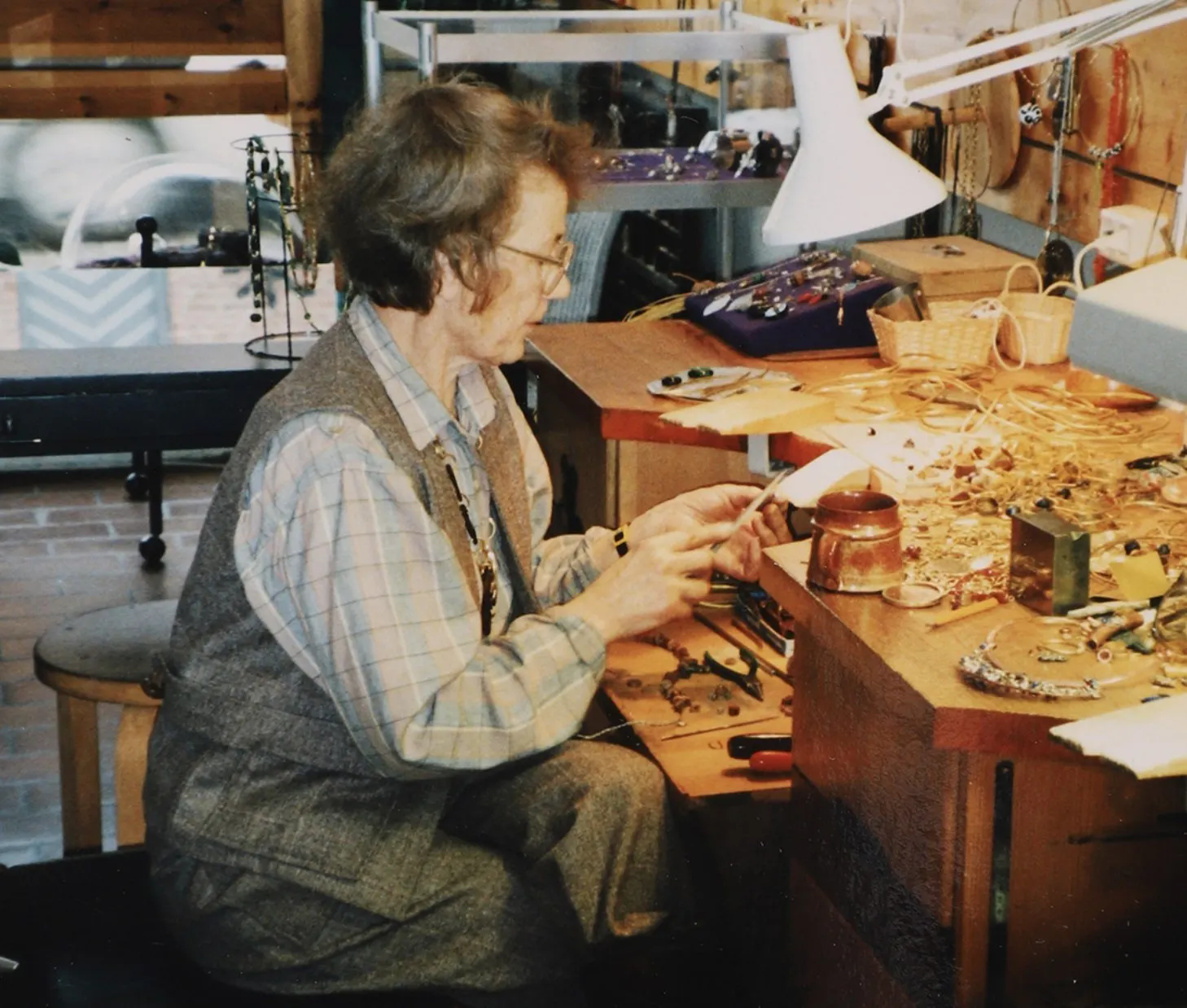
Bali Silver Export offers competitive wholesale pricing for 2027, focusing on per-gram and per-piece costs for handcrafted 925 sterling silver. This comprehensive breakdown highlights expected price ranges for various designs, taking into account the artisanal techniques of Celuk Village, the hub of Balinese silver craftsmanship.
Celuk Village: The Heart of Balinese Silver
Celuk Village, located in the Sukawati District of Gianyar Regency at Jalan Raya Celuk, Bali 80582, is renowned as the epicenter for gold and silversmiths in Bali. This region has gained fame for producing exquisite handcrafted 925 sterling silver jewelry, catering to both retail and export markets. Artisans in Celuk are celebrated for their meticulous attention to detail and their ability to infuse traditional techniques with modern design sensibilities.
The nearby art markets of Ubud and Sukawati also feature silver pieces crafted in Celuk, making it a focal point for visitors and traders seeking authentic Balinese silver. The village’s reputation is built on its rich history of craftsmanship and its ability to produce high-quality jewelry that appeals to global markets. This makes Celuk an important player in the international silver jewelry industry. Celuk’s silver pieces are often showcased during major cultural and trade festivals in Bali, attracting collectors and buyers from around the world.
Signature Balinese Silver Techniques
Bali’s silver jewelry is distinguished by its use of traditional techniques such as granulation, filigree, chiselling, engraving, and lost-wax casting. Granulation, known locally as ‘jawan’, involves arranging tiny silver granules into intricate geometric or floral patterns. Filigree work, on the other hand, uses fine silver wire to create lace-like designs soldered onto a base.
These techniques are all hand-finished, ensuring each piece is unique and of the highest quality. The use of these techniques not only highlights the artisan’s skill but also adds value to the jewelry, which is reflected in the pricing. These traditional methods, passed down through generations, make Balinese silver jewelry highly sought after in the global market. In addition to individual techniques, artisans often combine methods to create complex designs, showcasing their versatility and creativity.
Understanding Wholesale Pricing for 2027
The wholesale pricing for Bali Silver in 2027 is influenced by several factors, including the complexity of the design and the techniques used. For plain 925 sterling silver, the cost is estimated between USD 1.20 to 3.00 per gram for simpler designs. More intricate pieces that involve granulation or filigree range from USD 3 to 6 per gram.
When considering per-piece costs, simple rings and studs are expected to range from USD 5 to 12, while medium-sized pendants and bracelets fall between USD 12 to 30. Complex pieces employing advanced techniques like granulation or filigree could exceed USD 30 to 80 per piece. Adding gemstones to the designs increases the price by an additional USD 3 to 20 per piece, depending on the type and size of the gemstones used. The pricing strategy also considers seasonal demand, with peak seasons potentially seeing slight variations in cost.
Export Requirements and Documentation
Exporting silver jewelry from Bali requires compliance with several Indonesian regulations and documentation. Key documents include the NPWP (tax ID), NIB (Nomor Induk Berusaha via the OSS system), and the PEB (Pemberitahuan Ekspor Barang), which is the export declaration filed with the Indonesian Customs (Bea Cukai). Additionally, a commercial invoice, packing list, air waybill, and Certificate of Origin (Form D/AK/AJ for FTA destinations) are necessary for export transactions.
The export of finished silver jewelry does not require a special bullion permit, simplifying the process for businesses. The bodies involved in regulating these exports are the Direktorat Jenderal Bea dan Cukai (Customs), Kementerian Perdagangan (Trade), and the BKPM/OSS for licensing, ensuring that all products meet the international standards required for global distribution. Exporters benefit from established trade agreements that can reduce tariffs for shipments to specific countries.
Market Trends and Spot Prices
The global market trends for silver have a direct impact on wholesale pricing. The spot price of silver, which fluctuates between USD 0.70 to 1.00 per gram as projected for 2026, plays a crucial role in determining the cost of raw materials. These fluctuations are closely monitored by exporters to adjust their pricing strategies accordingly.
The demand for Balinese silver jewelry continues to grow, driven by its unique craftsmanship and design. As global consumers become more interested in artisanal and handcrafted products, the market for Balinese silver is expected to expand, making it an attractive investment for wholesalers and retailers alike. The rise of e-commerce platforms has further boosted international sales, with digital showcases reaching broader audiences.
Minimum Order Quantities and Custom Orders
For wholesale orders, Bali Silver Export typically requires a minimum order quantity (MOQ) of 50 to 100 pieces per design for simple rings and earrings. For more complex or new designs, the MOQ ranges from 25 to 50 pieces per design, with the buyer covering the cost of mold creation. This ensures that each order is customized to meet the buyer’s specifications while maintaining cost efficiency.
Custom orders are a significant part of Bali Silver Export’s offerings, allowing buyers to request specific designs and styles that cater to their markets. This flexibility makes it possible for businesses to create unique collections that stand out in the competitive jewelry industry. Balinese artisans are open to collaborating on designs, blending cultural motifs with contemporary trends to produce exclusive pieces.
Seasonal Impact on Production and Export
The production and export of silver jewelry in Bali are influenced by seasonal factors. The dry season, typically from April to October, is considered the peak production period as the weather conditions are optimal for the intricate work required in silver crafting. During this time, workshops in Celuk are busy with activity, and artisans work diligently to fulfill increased orders.
Conversely, the rainy season, which spans from November to March, can pose challenges, causing potential delays in production and shipment. Exporters and buyers often plan ahead, taking these seasonal variations into account to ensure timely deliveries. Despite these challenges, the commitment to quality remains unwavering, with artisans maintaining high standards regardless of the season.
FAQs
Q? How can I ensure the quality of the silver jewelry I am purchasing from Bali Silver Export?
A: Bali Silver Export takes pride in its high-quality craftsmanship, ensuring that each piece is made from genuine 925 sterling silver. Our artisans in Celuk Village use traditional techniques and conduct thorough quality checks to maintain international standards.
Q? What is the typical lead time for wholesale orders from Bali Silver Export?
A: The lead time for fulfilling wholesale orders can vary depending on the complexity and size of the order. Typically, it ranges from 4 to 8 weeks from the time the order is placed, allowing for careful craftsmanship and quality assurance.
Q? Are there any additional costs associated with exporting silver jewelry from Bali?
A: Additional costs may include shipping fees, import duties, and taxes in the destination country. Bali Silver Export provides an itemized breakdown of all costs, including the necessary documentation for a smooth export process.
For wider arrangements, our partner baliluxurytransport can coordinate end to end.
Frequently Asked Questions
Do Bali silver suppliers offer bulk discounts for retailers?
Yes — Bali silver jewelry bulk discounts for retailers are standard practice in Celuk Village. Tiered pricing typically starts from a first order of around $500, with 5–10% off orders above $2,000 and negotiated rates on repeat programs. Sample batches of 10–20 pieces are available first, so you can verify quality before committing to volume.
How much does wholesale Bali silver jewelry cost per piece?
As a working 2027 benchmark: simple 925 rings wholesale for about $3–12, earrings $4–15, pendants $5–20, and statement necklaces $15–60 per piece factory-direct from Celuk workshops. The Bali sterling silver wholesale price of any item is its gram weight multiplied by the per-gram rate plus a design premium — our guide to how wholesale Bali silver jewelry cost per gram is calculated breaks down the full formula.
What payment terms are typical for wholesale silver orders from Bali?
The standard structure is a 50% deposit to start production and the balance before shipment, paid via Wise, PayPal, or bank/SWIFT transfer. Production lead times run 2–6 weeks depending on order size and customization, and finished goods ship FOB Bali by insured DHL or FedEx air freight in 5–10 days.
Source Bali Silver Directly from Celuk Village
Bali Silver Export connects wholesale buyers with Celuk Village artisans — 925 sterling silver, factory-direct pricing, worldwide shipping. Chat with our export team on WhatsApp or email [email protected].