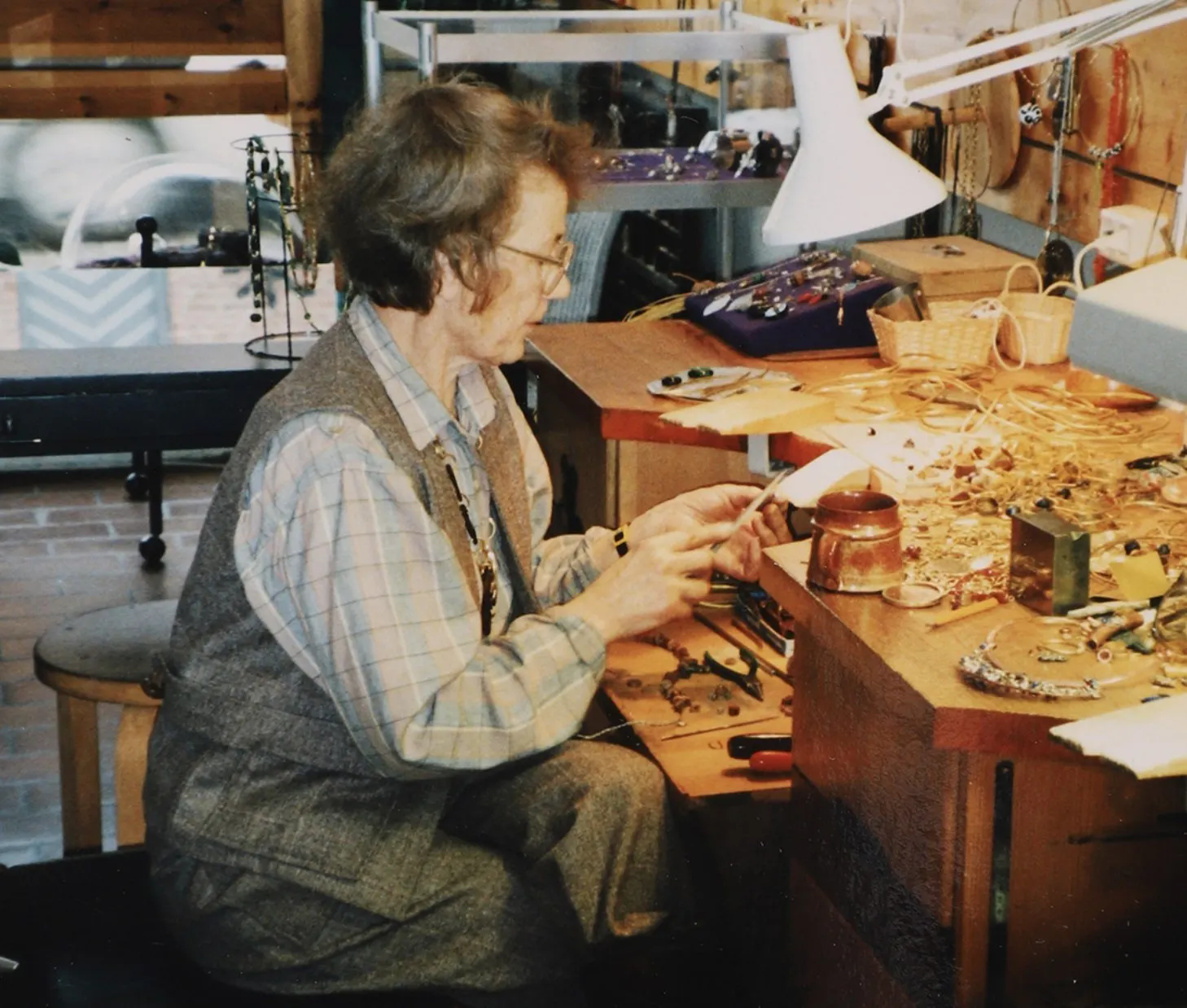
In 2027, the wholesale price of 925 sterling silver per gram is anticipated to range between USD 1.20 and 6.00, influenced by the complexity of design and craftsmanship, notably from Bali’s renowned Celuk Village. Exporters should account for material costs, craftsmanship, and required documentation.
Overview of 925 Sterling Silver from Celuk Village
Celuk Village, located in the Sukawati District of Gianyar Regency, Bali, is the epicenter of silver jewelry craftsmanship. Known for its high-quality 925 sterling silver, the village is famous for traditional techniques like granulation, filigree, chiseling, and lost-wax casting. These methods require a high level of skill and are passed down through generations of artisans.
Silver produced here is primarily for the export market, where it is categorized under HS code 7113.11, signifying “articles of jewellery of silver.” These products are also available in nearby Ubud and Sukawati art markets, drawing international buyers who appreciate the meticulous hand-finished quality of each piece. The prominence of Celuk in the global jewelry market is its artisans’ dedication and the cultural heritage embedded in their craft.
The village’s strategic location on Jalan Raya Celuk makes it accessible for tourists and international buyers, ensuring a steady influx of visitors eager to witness the art of silver-making firsthand. Seasonal festivals and regular exhibitions in the area further bolster its reputation as a cultural and artistic hub, attracting both amateur and seasoned collectors.
Calculation of Wholesale Costs for 925 Silver in 2027
Wholesale costs for 925 sterling silver jewelry in 2027 will vary significantly based on design complexity and labor intensity. Simple design pieces are estimated to cost between USD 1.20 to 3.00 per gram, while those with intricate granulation or filigree work will range from USD 3 to 6 per gram. These estimates reflect the skilled labor and time required for each piece, rather than just the silver content.
Additionally, the spot price of silver, estimated to remain between USD 0.70 to 1.00 per gram in 2026, plays a foundational role in setting the base cost for jewelry. Exporters must integrate these material costs with labor expenses to finalize the wholesale export pricing structures. Considering regional economic conditions and fluctuations in the global silver market, exporters are advised to remain vigilant and adaptable to price changes.
Strategically timing the purchase of raw silver when prices are low can be beneficial for maintaining competitive pricing. Understanding seasonal trends and market demands can also provide an advantage in forecasting and setting effective pricing strategies for the year ahead.
Exporting 925 Silver from Bali: Necessary Documentation
Exporting 925 silver from Bali involves precise documentation and compliance with Indonesian export regulations. Key documents include the NPWP (tax identification number), NIB (Nomor Induk Berusaha obtained via the OSS system), and PEB (Pemberitahuan Ekspor Barang), which needs to be submitted to Direktorat Jenderal Bea dan Cukai (Customs). Each shipment must also include a commercial invoice, packing list, air waybill, and a Certificate of Origin when applicable.
For exporters targeting FTA destinations, Certificates of Origin like Form D, AK, or AJ may be necessary to benefit from preferential tariffs. Importantly, Bali’s silver exports, categorized under HS code 7113.11, do not require special permits for finished jewelry, simplifying the process relative to raw bullion exports. Compliance with these requirements ensures smooth and efficient transit of goods, minimizing the risk of delays or additional costs.
Exporters should maintain an updated understanding of international trade agreements and requirements to maximize their market access. Regular consultation with trade experts and participation in workshops can be instrumental in complexities of international commerce, ensuring successful and profitable export operations.
Pricing Structures in the Bali Silver Market
In Bali’s competitive silver jewelry market, pricing structures are influenced by the type and intricacy of the pieces. Simple rings and earrings have a wholesale price range from USD 5 to 12 each. Medium complexity pieces, such as pendants and bracelets, are expected to cost between USD 12 and 30, while highly detailed items featuring granulation or filigree may range from USD 30 to over 80 per piece.
The addition of gemstones, a common feature in Balinese jewelry, can raise the price by USD 3 to 20 per piece, depending on the type and setting complexity. Exporters need to consider these factors alongside market trends to maintain competitive pricing and profitability. Offering personalized designs and limited editions can further enhance value and appeal to niche markets, providing an edge over competitors.
Understanding consumer preferences and leveraging digital platforms for marketing can significantly impact sales. Engaging storytelling and highlighting the cultural significance of each piece can resonate well with buyers seeking unique and meaningful purchases.
Export Market Considerations for 2027
The export market for Bali silver jewelry is expected to remain strong through 2027, fueled by demand for artisanal and culturally distinct products. Celuk Village, with its rich tradition and skilled artisans, continues to be a leading supplier. Exporters should remain aware of global economic conditions, as these can impact silver prices and consumer purchasing power.
Minimum order quantities (MOQs) are a critical aspect for exporters. For simple designs like rings and earrings, the typical MOQ ranges from 50 to 100 pieces per design. More complex items or new designs may require a smaller MOQ of 25 to 50 pieces, with buyers often covering the cost of mold creation for bespoke items. Adapting to buyer needs and offering flexible MOQs can enhance client relationships and drive repeat business.
Participating in international jewelry fairs and trade shows can expand market reach and attract new customers. Building strong networks with global buyers and distributors ensures sustained demand and opens avenues for collaborative ventures and innovative product lines.
Craftsmanship and Techniques Unique to Celuk
Celuk’s artisans are renowned for their mastery of Balinese silver techniques. The granulation process, locally known as ‘jawan’, involves creating intricate patterns using tiny silver granules. Filigree work features lace-like designs formed from fine silver wire, which requires precision and artistry to execute successfully.
Other techniques include chiseling and engraving, where artisans add detailed motifs to silver surfaces, and the ancient practice of lost-wax casting, which allows for the creation of complex shapes and forms. Each piece is the skill and dedication of Celuk’s craftsmen, making them highly sought after in international markets.
The meticulous craftsmanship involved in producing these pieces ensures that each item is unique, reflecting both the artisan’s skill and the island’s rich cultural heritage. As global appreciation for handmade, culturally enriched products grows, Celuk’s silver jewelry remains a symbol of excellence and artistry.
Impact of Tourism on Celuk’s Silver Industry
Tourism plays a significant role in supporting Celuk’s silver industry, bringing a steady stream of customers directly to the village. The influx of international tourists, especially during peak seasons from June to September and December to January, boosts sales and provides artisans with opportunities to showcase their skills through live demonstrations.
Local initiatives and government support for cultural tourism have further enhanced Celuk’s visibility as a destination for high-quality silver jewelry. Special events, such as silver-making workshops and cultural festivals, attract visitors and contribute to the village’s economic growth.
With the increasing trend towards experiential travel, many tourists are eager to learn about the traditional techniques used in crafting silver jewelry. This interest not only benefits local artisans economically but also helps in preserving and promoting Balinese cultural heritage on a global scale.
FAQs
Q? What is the anticipated price range per gram for 925 silver from Bali in 2027?
A The wholesale price per gram for 925 silver is expected to range from USD 1.20 to 6.00, depending largely on the design complexity and craftsmanship involved.
Q? What documents are required to export 925 silver jewelry from Bali?
A Exporters need to provide an NPWP, NIB, PEB, commercial invoice, packing list, air waybill, and, if applicable, a Certificate of Origin. These documents ensure compliance with Indonesian and international trade regulations.
Q? What are some distinctive techniques used by Celuk artisans in their silver jewelry?
A Celuk artisans employ traditional Balinese techniques such as granulation, filigree, chiseling, and lost-wax casting, each contributing to the unique quality and appeal of their silver jewelry.
See also: How to Spot Real 925 Silver: Stamps, Acid Test & XRF Verification, Is 925 Sterling Silver Hypoallergenic? Nickel-Free Sourcing Explained · Home.
Frequently Asked Questions
How can wholesale buyers manage sourcing costs when silver prices are rising?
The most effective way to hedge silver jewelry sourcing costs in Bali is to fix your quote at deposit: once the 50% deposit is paid, reputable Celuk exporters lock the per-gram rate for that order even if spot silver moves. Ordering on a quarterly cycle rather than piece-by-piece, and keeping 60–70% of your range in designs under 6 grams, also smooths out material-price swings.
Do lightweight designs reduce the cost of Bali silver jewelry?
Yes — lightweight designs are the most direct way to reduce silver cost, because metal is typically 40–60% of a piece’s wholesale price. Dropping average piece weight from 8 grams to 5 grams cuts material cost by nearly 40%, and Balinese techniques such as filigree and granulation deliver visual volume with far less silver.
How often do wholesale silver prices from Bali change?
The material component tracks the LBMA spot price, so per-gram quotes are typically refreshed weekly or monthly, while the labor component stays stable year-round. For Bali silver jewelry wholesale amid rising silver prices, total per-piece cost moves far less than spot — on detailed handmade designs, craftsmanship is often the larger share of the price.
Source Bali Silver Directly from Celuk Village
Bali Silver Export connects wholesale buyers with Celuk Village artisans — 925 sterling silver, factory-direct pricing, worldwide shipping. Chat with our export team on WhatsApp or email [email protected].