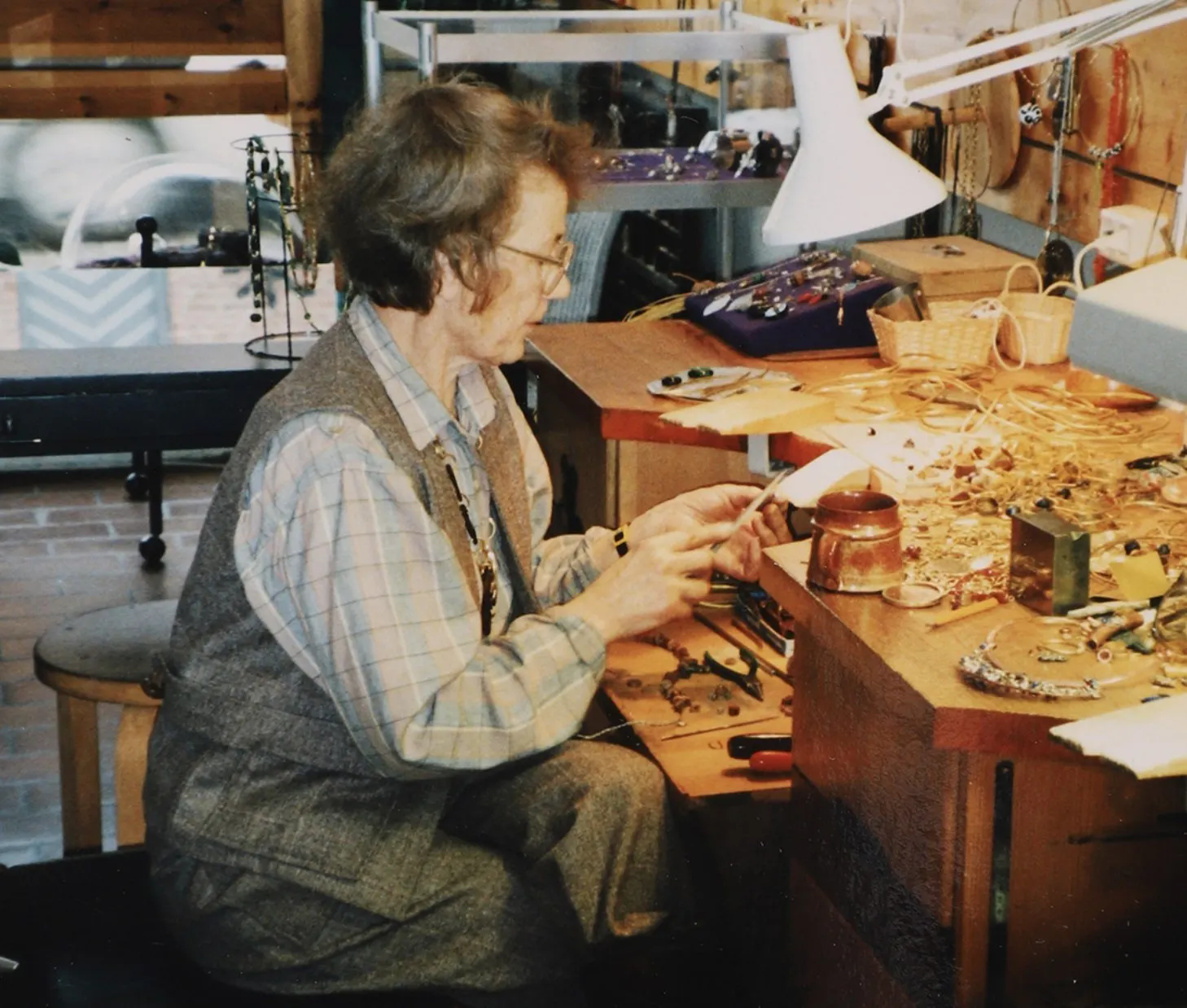
925 Sterling Silver is generally considered hypoallergenic, making it a preferred choice for sensitive skin. At Bali Silver Export, we prioritize nickel-free sourcing, focusing on the traditional artisanal expertise found in Celuk Village, Bali, to ensure quality and safety in our handcrafted jewelry.
The Hypoallergenic Nature of 925 Sterling Silver
925 Sterling Silver consists of 92.5% pure silver, with the remaining 7.5% usually composed of other metals like copper. This composition ensures durability while maintaining the hypoallergenic properties of silver. Silver, being a noble metal, rarely causes allergic reactions, making it a popular choice for individuals with sensitive skin.
It’s important to note that hypoallergenic does not mean allergy-proof. Although rare, some individuals might be sensitive to silver itself or the alloy metals used in conjunction. However, compared to other metals like nickel, which is a common allergen, 925 Sterling Silver is widely tolerated. This tolerance makes it an excellent material for jewelry, especially in humid climates like Bali, where skin sensitivity can be exacerbated by moisture and heat.
Nickel-Free Sourcing at Bali Silver Export
At Bali Silver Export, we are committed to nickel-free sourcing. Nickel allergies are prevalent, affecting approximately 10-20% of the population. To combat this, our production processes avoid nickel, using copper as the primary alloying metal in our 925 Sterling Silver. This ensures that our jewelry remains safe for those with nickel sensitivities.
Our nickel-free commitment is a significant aspect of our quality assurance, especially in our primary production center, Celuk Village. Known for its artisanal heritage, Celuk Village excels in producing high-quality, nickel-free sterling silver jewelry. This commitment is not just about health, but also about preserving the traditional methods that have been honed over generations, ensuring each piece is not only safe to wear but also a reflection of Balinese culture and craftsmanship.
Celuk Village: The Heart of Silver Artistry in Bali
Celuk Village, located in the Sukawati District of Gianyar Regency (Jalan Raya Celuk, Bali 80582), is renowned as Bali’s hub for gold and silversmiths. This village is famous for its handcrafted 925 sterling silver jewelry, which is both retailed locally and exported globally. The artisans here are skilled in traditional Balinese techniques such as granulation, filigree, chiselling, and lost-wax casting.
The village’s strategic location near Ubud and Sukawati art markets enhances its significance, offering tourists and buyers direct access to authentic Balinese silver creations. The craftsmanship observed in Celuk’s silver pieces reflects a rich cultural heritage, keeping traditional methods alive in a modern world. This unique blend of tradition and modernity attracts visitors from around the world, eager to experience and purchase genuine Balinese silver while exploring the scenic beauty of Gianyar Regency.
The economic contribution of Celuk Village to the local community cannot be overstated, as the jewelry trade supports countless families, providing employment and fostering a deep sense of cultural pride. The thriving markets and workshops also serve as a cultural exchange hub where artisans and visitors can share knowledge and appreciation for the refined artistry that defines Balinese silver jewelry.
Signature Balinese Silver Techniques
Granulation, known locally as ‘jawan’, involves the delicate application of tiny silver granules arranged into geometric or floral patterns. Another hallmark technique, filigree, utilizes ultra-fine silver wires to create lace-like designs soldered to a solid base, exhibiting the intricate artistry of Celuk’s craftsmen.
Engraving and chiselling add personalized touches to each piece, while the lost-wax casting method allows for the creation of complex designs. Each piece undergoes a hand-finishing process, ensuring the highest quality and uniqueness in every item produced by Bali Silver Export. These techniques have been passed down through generations, each artisan perfecting their craft over decades, contributing to the global reputation of Celuk Village as a leading center for exquisite silverwork.
The attention to detail and dedication to perfection make Balinese silver not just a product, but a piece of art. Whether it’s a simple ring or an elaborate necklace, the craftsmanship speaks volumes of the skill and dedication involved. This is what sets Balinese silver apart in a world where mass production often overshadows artisanal skill.
Exporting Balinese Silver Jewelry: Procedures and Pricing
Exporting silver jewelry from Bali involves several procedural steps, including obtaining necessary documents such as the NPWP (tax ID), NIB (Nomor Induk Berusaha via OSS), and PEB (Pemberitahuan Ekspor Barang / export declaration filed to Bea Cukai/Customs). These are complemented by a commercial invoice, packing list, air waybill, and Certificate of Origin (Form D/AK/AJ for FTA destinations).
For the 2026-2027 industry estimates, wholesale export pricing for plain 925 sterling silver ranges from USD 1.20 to 3.00 per gram for simple designs. Intricate pieces featuring granulation or filigree can fetch USD 3 to 6 per gram. The per-piece pricing varies significantly, with simple rings or studs priced between USD 5-12, medium pendants or bracelets at USD 12-30, and complex designs priced upwards of USD 30-80, especially when gemstones are involved, adding USD 3-20 per piece. The silver spot price is anticipated to be around USD 0.70-1.00 per gram in 2026, making Bali’s silver jewelry competitively priced on the global market.
The typical export minimum order quantity (MOQ) is 50-100 pieces per design for simpler items like rings and earrings, and 25-50 pieces per design for more complex or new designs. Buyers are often required to cover mold costs, particularly for bespoke pieces or first orders, ensuring that each transaction is mutually beneficial and tailored to specific market demands.
Regulatory Bodies and Import Details
The export of silver jewelry from Bali involves cooperation with several regulatory bodies, including the Direktorat Jenderal Bea dan Cukai (Customs), Kementerian Perdagangan (Trade), and BKPM/OSS for licensing. Unlike raw bullion, finished silver jewelry does not require a special permit, streamlining the export process.
Most exporters adhere to a minimum order quantity (MOQ), typically 50-100 pieces per design for simpler items like rings and earrings, and 25-50 pieces per design for more complex or new designs. Buyers are often required to cover mold costs, particularly for bespoke pieces or first orders. This cooperative approach with regulatory bodies ensures that Bali Silver Export remains compliant with international trade standards, enabling smooth transactions and expanding market accessibility for Balinese artisans.
These streamlined processes not only boost the local economy but also reinforce Bali’s reputation as a reliable source of high-quality silver products. The successful navigation of export regulations by Bali Silver Export serves as a model for other enterprises within the region, fostering growth and innovation in the Balinese silver industry.
Exploring Celuk Village: A Tourist’s Guide
Beyond its reputation as a silver crafting hub, Celuk Village is also a captivating tourist destination. Visitors can engage themselves in the local culture by participating in workshops where they can learn basic silver crafting techniques. These workshops provide a hands-on experience, allowing tourists to appreciate the intricate work involved in creating Balinese silver jewelry.
The village itself is a lively notable of Balinese culture, featuring traditional architecture, local eateries, and artisan shops. Visiting during the dry season, from April to October, provides the best weather for exploring the open-air markets and enjoying the surrounding natural beauty. Prices for local handicrafts and silver pieces are often negotiable, allowing visitors to engage in the cultural practice of bargaining, enhancing their overall experience.
Tourists often complement their visit to Celuk with trips to nearby attractions, such as the iconic Ubud Art Market or the striking Tegallalang Rice Terraces, making it a comprehensive cultural journey through the heart of Bali. This unique blend of cultural immersion and shopping opportunities makes Celuk Village a must-visit destination for anyone traveling to Bali.
FAQs
Q? Is 925 sterling silver suitable for people with sensitive skin? A: Yes, 925 sterling silver is generally suitable for sensitive skin. Its hypoallergenic properties make it a preferred choice for individuals prone to allergies caused by metals like nickel.
Q? What makes Balinese silver jewelry unique? A: Balinese silver jewelry is unique due to its intricate designs and traditional craftsmanship. Techniques such as granulation and filigree highlight the artistry of Celuk Village artisans, ensuring each piece is a work of art.
Q? How does Bali Silver Export ensure the quality of its products? A: Bali Silver Export ensures quality by adhering to nickel-free standards and employing skilled artisans from Celuk Village. Each piece undergoes rigorous quality checks and is crafted using traditional techniques that guarantee authenticity and precision.
See also: 925 vs Silver-Plated vs Fine Silver: What Wholesale Buyers Must Know, How to Spot Real 925 Silver: Stamps, Acid Test & XRF Verification · Home.
Frequently Asked Questions
What makes Bali sterling silver hypoallergenic and nickel-free?
Celuk workshops alloy 92.5% pure silver with copper only — no nickel at any stage — which is what makes Bali sterling silver hypoallergenic and safe for nickel-free wholesale programs. This keeps finished pieces well within the EU Nickel Directive migration limit of 0.5 µg/cm² per week, the strictest consumer threshold in any major market.
Is every wholesale piece stamped with a 925 hallmark?
Yes — every piece carries the .925 hallmark that genuine sterling silver from Bali should always show, stamped at the workshop before final polishing. For private-label orders, exporters can add your brand mark alongside the hallmark, and purity test documentation is available on request for wholesale shipments.
Does nickel-free sterling silver tarnish, and can it be treated?
Sterling silver naturally tarnishes over months of air exposure, but tarnish is a surface oxidation — not an allergy risk. For anti-tarnish silver jewelry programs, Bali exporters offer e-coating or rhodium plating that delays visible tarnish by roughly 6–18 months of normal wear, plus anti-tarnish strips included in wholesale packaging.
Source Bali Silver Directly from Celuk Village
Bali Silver Export connects wholesale buyers with Celuk Village artisans — 925 sterling silver, factory-direct pricing, worldwide shipping. Chat with our export team on WhatsApp or email [email protected].