IMPORT GUIDE
How to Import Bali Silver Jewelry — Complete Guide
Your Comprehensive Guide to Importing from Bali
Importing silver jewelry from Bali represents one of the most attractive wholesale sourcing opportunities in the global jewelry market — combining exceptional artisan craftsmanship with competitive pricing, reliable production capacity, and a rich cultural heritage that adds authentic brand value. This comprehensive guide walks you through every step of the import process, from initial supplier evaluation to customs clearance at your destination.
Whether you’re a first-time importer testing the waters with a sample order or an experienced wholesale buyer establishing ongoing supply chains, understanding the import framework saves time, reduces costs, and prevents the common pitfalls that can make international sourcing feel overwhelming. The reality is that importing Bali silver is a well-established trade route with proven systems, experienced logistics providers, and clear regulatory pathways in most major markets.
Bali Silver Export has facilitated thousands of successful shipments to over 40 countries, and this guide distills our institutional knowledge into a practical, actionable resource for wholesale partners at any stage of their import journey.
Step 1: Supplier Selection and Evaluation
Choosing the right Bali silver supplier is the foundation of a successful import operation. Key evaluation criteria include: manufacturing capability (own factory vs. trading company), quality control systems, design range and customization capabilities, export documentation experience, communication reliability, and business references from existing international clients.
We strongly recommend visiting potential suppliers in Bali before placing substantial orders. A factory visit reveals more about quality, capacity, and professionalism than any amount of email correspondence. At minimum, request physical samples, check business registration documents, and speak with existing wholesale clients about their experience. Red flags include unwillingness to show production facilities, inability to provide quality documentation, and pricing that seems unrealistically low.
As a direct manufacturer in Celuk Village with 85+ employed artisans, verified business registrations, and a 20-year export track record, Bali Silver Export invites the most rigorous evaluation from prospective partners — including factory visits, reference checks, and sample quality testing.
Step 2: Understanding Costs and Pricing
The total landed cost of imported Bali silver includes several components beyond the product price: manufacturing cost (quoted FOB or EXW), freight (sea or air), insurance, customs duty (varies by destination country and trade agreements), destination country taxes (VAT, GST, consumption tax), customs broker fees, port handling charges, and last-mile delivery. Understanding each component enables accurate margin calculations.
As a general rule, total landed cost typically adds 15-30% to the FOB product price, depending on shipping method, destination, and applicable duty rates. Trade agreements like IA-CEPA (Australia), JIEPA (Japan), and EU GSP can significantly reduce or eliminate customs duties, making these costs worthwhile to investigate thoroughly for your specific market.
We provide detailed landed cost estimates for any destination upon request, breaking down each cost component so wholesale partners can calculate accurate retail margins before placing orders. This transparency ensures there are no cost surprises and enables confident pricing decisions.
Step 3: Documentation and Compliance
International jewelry imports require specific documentation that varies by destination country but typically includes: commercial invoice, packing list, certificate of origin, material composition certificate (confirming 92.5% silver content), bill of lading or air waybill, insurance certificate, and country-specific compliance documents such as EU REACH declarations or US CPSIA compliance certificates.
Our export team prepares comprehensive documentation packages tailored to each destination country’s specific requirements. This eliminates the documentation burden from wholesale partners and ensures customs clearance proceeds without delays. We maintain current knowledge of regulatory requirements across all major import markets and update our documentation procedures as regulations evolve.
Import Process Quick Reference
1. Evaluate & Select
Research suppliers, request samples, verify credentials. Visit Bali if possible. Establish communication and evaluate responsiveness, quality, and reliability before committing.
2. Order & Produce
Place your wholesale order with agreed specifications. Production takes 2-4 weeks for catalog items, 5-8 weeks for custom designs. Receive progress updates throughout.
3. Quality Inspection
Pre-shipment quality inspection ensures every piece meets agreed standards. Photo documentation sent for your review and approval before shipping commences.
4. Export & Ship
Complete export documentation prepared. Goods shipped via your preferred method (sea, air, courier) with full tracking and insurance coverage.
5. Customs & Delivery
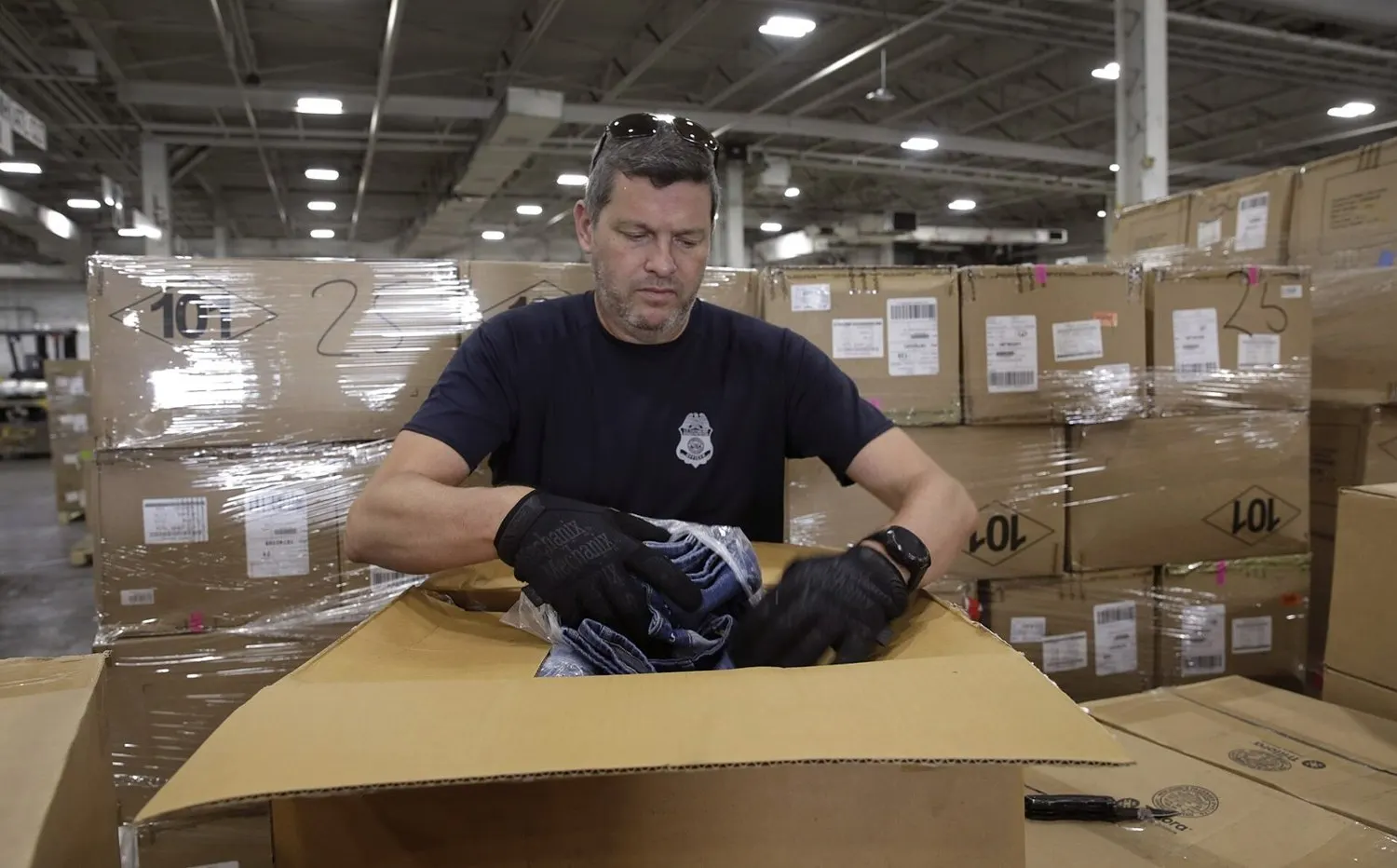
Documentation sent ahead to your customs broker for pre-clearance preparation. Duties and taxes assessed and paid. Goods cleared and delivered to your premises.
6. Receive & Sell
Inspect received goods, process into your inventory system, and begin selling. Our team remains available for support, reorders, and ongoing partnership development.
WHOLESALE PARTNERSHIP
Ready to Source Premium Bali Silver Jewelry?
Join 500+ wholesale partners worldwide who trust Bali Silver Export for authentic handcrafted sterling silver jewelry. Direct factory pricing, 2,000+ designs, and dedicated account management.
Frequently Asked Questions
How much capital do I need to start importing?
You can start with as little as $1,500-$3,000 for a first wholesale order of 100+ pieces, plus approximately $500-$1,000 for shipping, duties, and broker fees. Our Introduction Program is specifically designed for first-time importers who want to test products and processes at minimal financial risk before scaling to larger orders.
Do I need an import license?
Requirements vary by country. Most countries (USA, UK, Australia, most EU) do not require specific import licenses for silver jewelry. You generally need a business registration, tax identification number, and customs registration (EORI for EU/UK, ABN for Australia). Your customs broker can advise on specific requirements for your country.
What are the biggest risks in importing jewelry?
Common risks include: quality not meeting expectations (mitigated by sample orders and factory visits), shipping delays (mitigated by buffer time in planning), customs complications (mitigated by proper documentation), and currency fluctuation (mitigated by USD pricing and forward contracts). Our comprehensive service addresses each of these risks systematically.
Can I start with a very small trial order?
Yes. Our sample packs start from $500 with 25-50 pieces, shipped via air freight with full commercial documentation. This lets you evaluate product quality, test market response, and experience the complete import process before committing to larger wholesale quantities. Sample costs can be credited against first wholesale orders.
How do I find a customs broker?
Your country’s customs brokers association maintains searchable directories. We also recommend brokers at major ports based on our experience with their jewelry import expertise. A good customs broker will handle tariff classification, duty calculation, documentation submission, and communication with customs authorities, typically for $100-$300 per shipment.
Start Your Silver Journey Today
Contact our export team for wholesale pricing, catalogs, and partnership opportunities.